
As a homeowner, you know that a well-functioning heat pump is essential for keeping your home comfortable year-round. However, seasonal changes can take a toll on your heat pump’s performance. To ensure it operates efficiently throughout the year, it’s important to stay on top of maintenance and address potential issues before they become costly problems. In this guide, we’ll explore the best practices for maintaining your heat pump through seasonal changes, keeping it in peak condition while lowering your energy bills.
Understanding Your Heat Pump System
A heat pump works by transferring heat between the indoor and outdoor air. During the winter, it pulls heat from the outside air and pumps it into your home, while in the summer, it does the reverse by removing heat from inside and releasing it outside. This makes it an energy-efficient option for both heating and cooling your home. However, heat pumps are sensitive to temperature fluctuations and require regular maintenance to perform optimally, especially during the changing seasons. Learn more about heat pump repair in Athens, GA and ensure your system is in top shape.
Regular Maintenance: Key to Efficient Operation
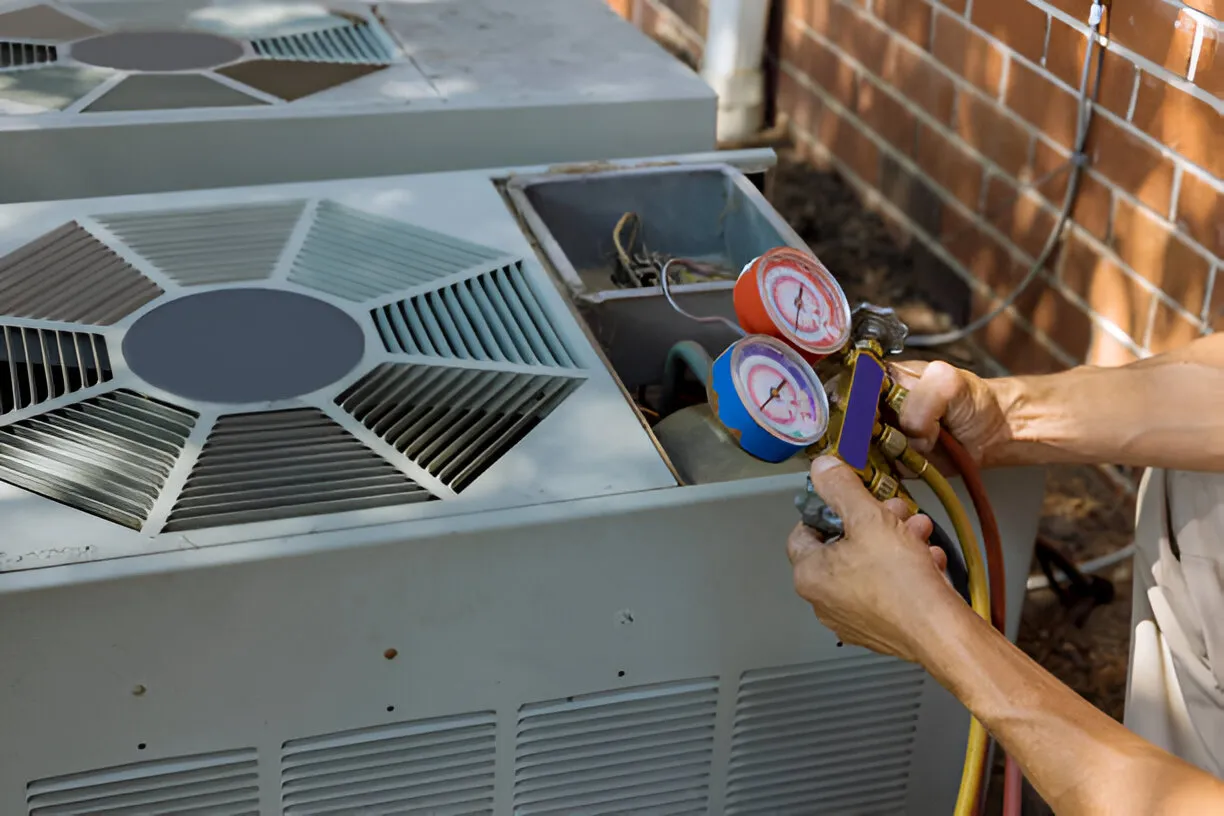
To keep your heat pump running smoothly throughout seasonal transitions, regular maintenance is crucial. A well-maintained heat pump is more energy-efficient, has a longer lifespan, and requires fewer repairs. Here are some essential maintenance tips:
1. Clean the Air Filter Regularly
A dirty air filter is one of the most common causes of heat pump inefficiency. Clogged filters restrict airflow, causing the system to work harder than necessary and increasing energy consumption. Cleaning or replacing the air filter every 1–3 months, depending on usage, ensures optimal airflow and keeps the system running efficiently.
2. Check and Clean the Coils
The evaporator and condenser coils are vital to your heat pump’s function. Over time, dirt can accumulate on these coils, affecting the system’s ability to transfer heat. Regularly cleaning the coils will improve heat transfer efficiency and prevent overheating. If you are unsure how to clean the coils, it’s best to call a professional.
3. Inspect the Ductwork for Leaks
Leaky ducts can cause significant heat loss, making your heat pump work harder to maintain a comfortable temperature. Seal any leaks in your ducts to improve efficiency and prevent unnecessary strain on the system. It’s also a good idea to insulate your ducts, especially in unconditioned spaces, to prevent heat loss during the winter months.
Seasonal Tips for Heat Pump Efficiency
During seasonal transitions, your heat pump faces challenges due to temperature fluctuations. Here’s how to adjust your system to accommodate the change in weather:
1. Winter Maintenance: Preparing for the Cold
In the winter, your heat pump works harder to extract heat from the cold outdoor air. It’s essential to keep the outdoor unit free of debris like leaves, snow, or ice, which can obstruct airflow. Make sure the unit is at least 18 inches above the ground to prevent snow buildup. Also, check for frost or ice buildup on the coils, as this can impair performance. If frost forms, you can manually defrost the unit or schedule a service to ensure it’s working properly.
2. Summer Maintenance: Keeping It Cool
During the summer, the heat pump operates in cooling mode, pulling heat from inside your home and releasing it outdoors. The outdoor unit needs to be clear of any debris to allow for efficient airflow. Regularly clean the condenser coils to ensure optimal heat exchange. Additionally, check your thermostat settings and ensure that the system is set to the optimal cooling temperature for energy efficiency.
3. Transitioning Between Seasons
When transitioning between seasons, it’s a good idea to schedule a professional inspection. A professional technician can check for any issues that may arise during the change in temperature. If you’re in areas like Athens, GA, where the weather can shift dramatically, it’s advisable to have a routine check-up to ensure your heat pump is ready for both heating and cooling needs.
The Importance of Professional Heat Pump Repair Services
While homeowners can take many steps to maintain their heat pumps, professional repair services are essential for diagnosing and fixing complex issues. Certified technicians can perform system inspections, clean components that are difficult to reach, and replace parts that have worn out over time. Regular professional servicing helps prevent major breakdowns and ensures that your system is ready for any season.
Troubleshooting Common Heat Pump Problems
Even with regular maintenance, you may encounter issues with your heat pump. Some common problems include:
- No Heat or Cool Air: This could be caused by a malfunctioning thermostat, dirty filters, or an issue with the compressor.
- Frost Build-Up: Ice or frost forming on the outdoor coils can significantly reduce the efficiency of your heat pump.
- Strange Noises: If your heat pump is making unusual sounds like rattling, buzzing, or grinding, it could be a sign of a loose component or mechanical issue.
In these cases, it’s important to call a professional technician who can identify the issue and perform necessary repairs.
Conclusion
Proper heat pump maintenance is essential for ensuring efficiency and longevity, especially as seasons change. By cleaning filters, checking coils, inspecting ducts, and performing seasonal adjustments, you can ensure that your heat pump operates smoothly year-round. For more complex issues, professional repair services are invaluable. By staying proactive with your heat pump maintenance, you’ll enjoy reliable comfort and lower energy bills for years to come. If you live in Athens, GA, don’t hesitate to reach out to a professional technician for routine servicing and heat pump repairs.