
Protecting your residential property is a fundamental responsibility that safeguards your largest investment while ensuring a safe, comfortable living environment for your family. A proactive approach to home care prevents minor wear and tear from escalating into major, costly structural damage.
By focusing on critical maintenance tasks and addressing vulnerabilities early, you can significantly extend the lifespan of your property.
Implementing these consistent protection strategies will keep your residence resilient, efficient, and secure against environmental factors for many years to come.
Engaging Expert Roofers for Structural Defense
The roof serves as the primary barrier against the elements, making it the most important component to monitor for your home’s protection.
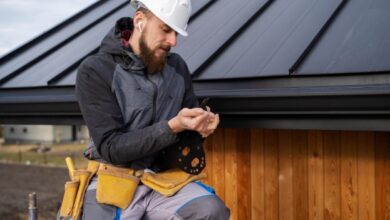
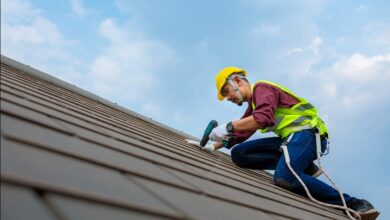
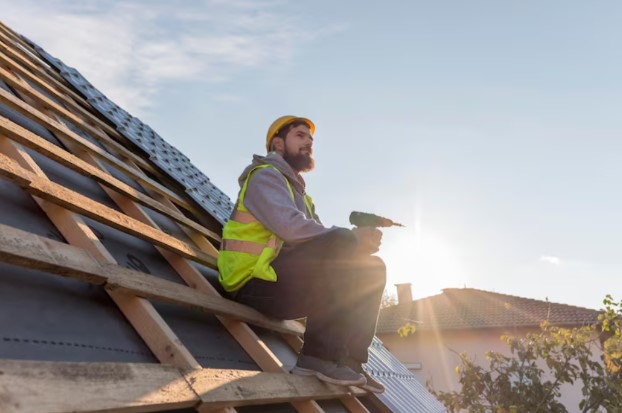
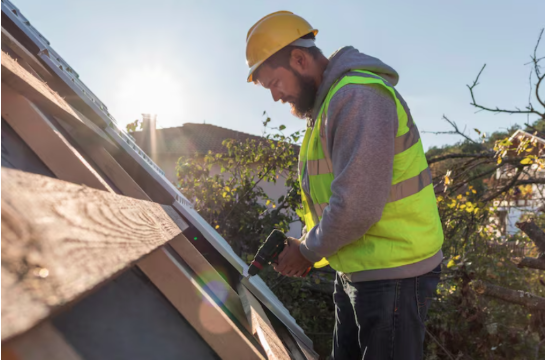
Hiring professional roofers is essential for conducting regular inspections that catch small issues like loose shingles or hidden moisture entry points before they become severe problems.
Experienced professionals possess the technical knowledge to assess your roofing system’s overall health and provide lasting solutions. By trusting your roof to skilled experts, you ensure that your home remains well-sealed, dry, and structurally sound throughout all seasons.
Specialized Care Through Mobile Home Roofing
Maintaining the unique structure of a manufactured residence requires specific expertise, making professional mobile home roofing services a necessity for long-term protection.
These homes often feature different drainage and insulation requirements than traditional houses, necessitating a tailored approach to prevent leaks and thermal loss.
Specialists in this field understand how to properly seal seams and apply weather-resistant coatings that protect the integrity of the structure.
Investing in qualified service for your specific housing type ensures that your investment remains durable, energy-efficient, and comfortable regardless of the external climate.
Securing Foundation and Exterior Drainage
The stability of your entire residence relies on a strong foundation and a functional drainage system. Periodically inspect the perimeter of your home for signs of shifting or cracks, and ensure that the ground slopes away from your walls to prevent water from pooling at the base.
Maintaining clear paths for rainwater prevents hydrostatic pressure from building against your foundation, which can lead to costly structural settling.
By keeping your drainage areas clean and properly graded, you effectively shield the most critical part of your home from water-related degradation.
Fortifying Windows and Entry Points
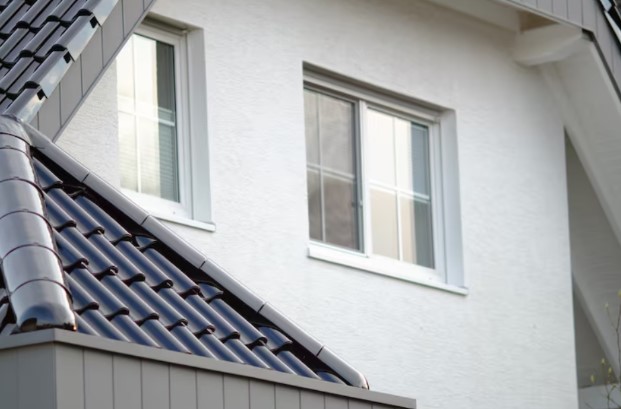
Windows and doors are common points of vulnerability for both weather infiltration and physical security. Inspecting your weather stripping and caulking annually helps maintain a tight, energy-efficient seal that keeps your interior dry and protected from drafts.
Furthermore, ensuring that all locks and latches are functioning correctly adds an essential layer of security to your residence.
Regularly checking these transition points keeps your home climate-controlled and safe, preventing rot in frames and improving your overall peace of mind.
Managing Indoor Humidity and Air Flow
Excessive moisture trapped inside your living space can cause as much damage as external weather exposure. Proper ventilation in kitchens and bathrooms is critical for preventing the buildup of condensation, which can lead to peeling paint and wood decay.
Using exhaust fans consistently and maintaining steady indoor temperatures helps preserve your interior surfaces and structural framework. By controlling your indoor environment, you prevent the growth of mold and keep your materials dry, effectively extending the lifespan of your interior finishes.