

Asbestos was a staple of American construction for most of the 20th century, prized for its heat resistance, durability, and low cost. From roughly the 1930s through the late 1970s, it was woven into thousands of building products: pipe insulation, boiler wrap, floor tiles, ceiling tiles, popcorn ceilings, joint compound, roofing felt, siding, and even decorative finishes. While the EPA began restricting certain uses in the late 1970s and 1980s, asbestos was never fully banned in the United States, and the materials installed decades ago are still in place in millions of homes, schools, hospitals, and commercial properties built before 1980.
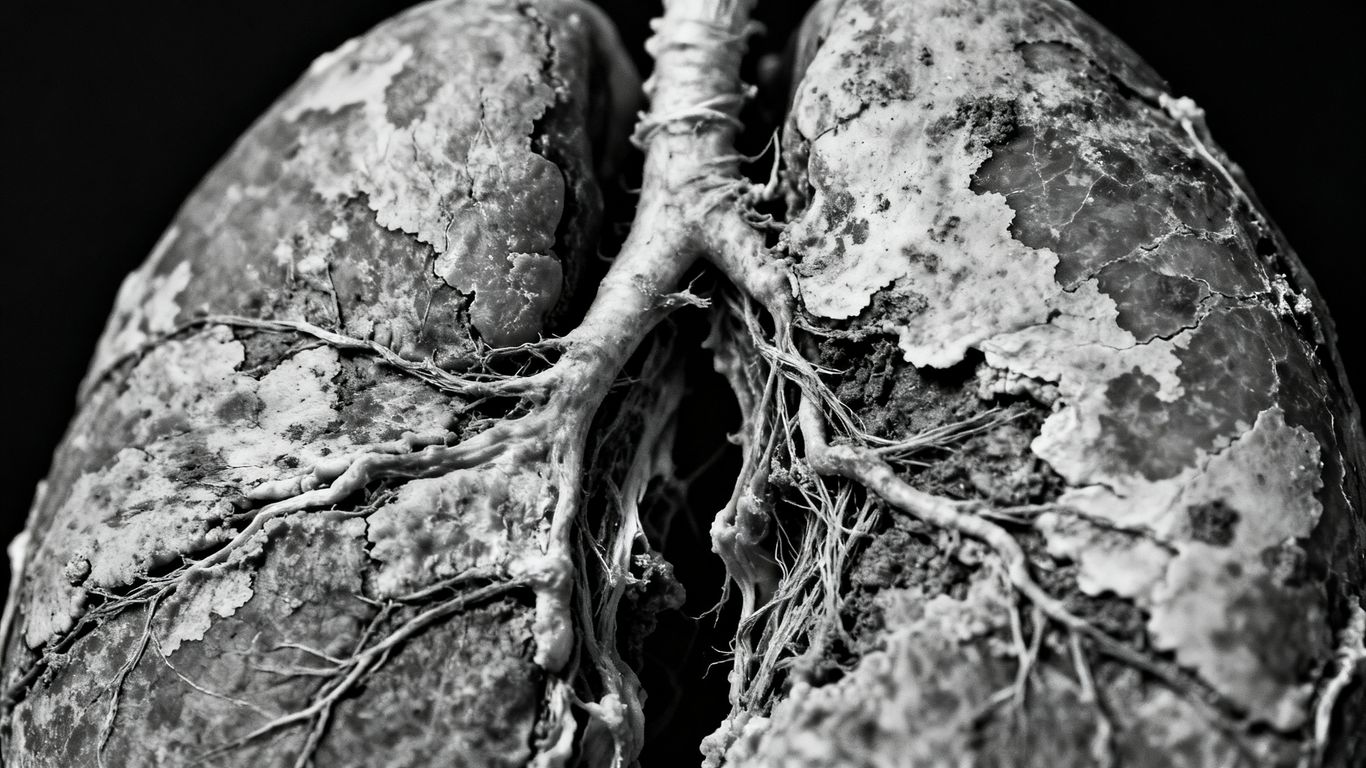
Intact, undisturbed asbestos generally poses little immediate threat, but that changes the moment those materials are damaged, deteriorating, or disturbed during renovation, demolition, or routine maintenance. The danger lies in microscopic asbestos fibers that become airborne when these materials are cut, sanded, drilled, scraped, or simply allowed to crumble with age. Once inhaled, the fibers lodge in lung tissue and resist the body’s natural clearance mechanisms, causing chronic inflammation and cellular damage that can persist for decades.
Lung cancer is one of the most serious consequences of this exposure, and unlike mesothelioma — a rarer cancer almost exclusively linked to asbestos — asbestos-related lung cancer is clinically indistinguishable from lung cancer caused by other agents, which often makes the asbestos connection harder for patients and physicians to recognize. The latency period typically runs 15 to 40 years between exposure and diagnosis, meaning many people developing lung cancer today were exposed during work or home life in the 1980s and 1990s without ever realizing it.
The populations facing the highest risk are construction workers, electricians, plumbers, HVAC technicians, demolition crews, custodial staff, and teachers who spent years in older school buildings, along with homeowners who undertook DIY renovations on pre-1980 properties. Risk compounds dramatically with smoking: studies have shown that smokers exposed to asbestos face a lung cancer risk many times higher than either smoking or asbestos exposure alone, due to a synergistic effect between the two carcinogens.
Anyone who suspects they live or work in a building with asbestos-containing materials should avoid disturbing suspect surfaces and bring in a licensed asbestos inspector before any renovation work begins. For those with a known exposure history, particularly current or former smokers, regular pulmonary screening and an honest conversation with a physician about occupational and environmental history can make a meaningful difference in early detection.
Long Term Exposure
Long-term exposure to asbestos can lead to several persistent lung problems, which don’t always show up right away. These diseases are serious, sometimes deadly, and often take years—sometimes decades—to appear.
The Latency Period of Asbestos-Related Illnesses
Most people exposed to asbestos don’t notice any immediate effects. It can take 15, 20, or even 40 years after the initial contact before people start seeing symptoms. That’s what doctors call the latency period. During this time, scar tissue or changes in the lungs slowly develop. For example, certain asbestosis symptoms might not be noticeable until decades have passed, according to exposure timelines and lung harm. This long delay makes it easy to overlook a connection between someone’s exposure history and new health problems.
Mechanisms of Asbestos Fiber Impact on Lung Tissue
When asbestos fibers are breathed in, they’re so tiny that they slip deep into the lungs. The body has a hard time getting rid of these fibers. Over years, these tiny fragments can:
- Stick in the smallest airways and irritate them.
- Cause the lung tissue to thicken and scar (a process called fibrosis).
- Make the membranes around the lungs thicker, so it’s harder to breathe.
Some people develop severe breathing problems or even complications like fluid build-up in the chest. The scarring and tissue damage barely happen overnight—it builds up bit by bit, usually from regular, ongoing exposure at work or in buildings where asbestos was used.
Factors Influencing Disease Development
Not everyone who comes into contact with asbestos will end up sick. A few things can make it more likely:
- How much asbestos someone breathes in over time.
- How long and how often someone is exposed.
- The specific kind of asbestos fiber.
- Whether the person smokes—smoking raises the risk of lung disease from asbestos much higher.
- Other personal health factors and whether protective gear was used.
The risk is especially high for workers in construction, shipbuilding, or demolition, because those jobs often mean breathing in more dust over many years. Medical teams rely on detailed histories and specific tests, like scanning the chest, to spot these problems early—techniques for diagnosis are key, since early changes often don’t cause symptoms.
In summary, chronic asbestos lung diseases are slow to develop, and not everyone exposed will get sick, but risk factors and the body’s response play a major role in who is affected.
Asbestosis: Scarring of the Lungs
Defining Asbestosis and Its Causes
Asbestosis is a chronic lung condition that develops when tiny asbestos fibers are inhaled and become lodged in the lung tissue. Over time, these fibers cause inflammation and scarring, a process known as fibrosis. This scarring stiffens the lungs, making it harder for them to expand and contract properly. The primary cause of asbestosis is prolonged exposure to asbestos dust. This typically occurs in occupational settings where asbestos was used extensively, such as in construction, shipbuilding, and manufacturing, particularly before regulations became widespread. Even after exposure ends, the fibers remain in the lungs, and the disease can continue to progress for decades. It’s important to understand that asbestos fibers are only dangerous when they become airborne and are inhaled; undisturbed asbestos materials generally pose little risk. The more intense and longer the exposure, the greater the likelihood of developing asbestosis.
Symptoms and Progression of Asbestosis
The symptoms of asbestosis often don’t appear for many years, sometimes 20 to 30 years or even longer, after the initial asbestos exposure. This long latency period can make it difficult to connect the disease to past work or environmental conditions. When symptoms do emerge, they typically start subtly and worsen gradually. Common signs include:
- Shortness of breath, especially during physical activity
- A persistent, dry cough
- Chest pain or tightness
- Fatigue and reduced ability to exercise
- Clubbing of the fingernails or toenails
As the scarring progresses, breathing becomes increasingly difficult, and the lungs may not be able to transfer enough oxygen into the bloodstream. In severe cases, asbestosis can lead to serious complications like right-sided heart failure. Early detection is key to managing the condition and improving quality of life, even though there is no cure for the scarring itself. Treatment focuses on managing symptoms and preventing further lung damage. If you have concerns about potential exposure, discussing them with a healthcare provider is a good first step.
Occupational Risks and Asbestosis
Certain professions have historically carried a significantly higher risk of developing asbestosis due to direct and prolonged exposure to asbestos fibers. Workers involved in the mining, manufacturing, and installation of asbestos-containing materials were particularly vulnerable. This includes trades like:
- Construction workers, especially those involved in demolition or renovation of older buildings
- Shipyard workers, particularly during the mid-20th century
- Miners and mill workers who processed asbestos ore
- Insulation installers and pipefitters
- Mechanics and brake repair workers
While regulations have reduced exposure risks in many industries, individuals who worked in these fields before the widespread implementation of safety measures remain at risk. Even today, accidental exposure can occur during renovation or demolition projects where asbestos materials are disturbed. Understanding these occupational risks is vital for both historical awareness and for individuals who may still face potential exposure in certain jobs. If you worked in one of these fields, it’s advisable to be aware of the potential health risks and to seek medical advice if you experience any respiratory symptoms. This awareness can help in the early diagnosis of asbestosis and the implementation of appropriate management strategies.
Malignant Cancers Linked to Asbestos Exposure
Lung Cancer and Asbestos
Breathing in asbestos fibers can significantly increase the risk of developing lung cancer. This risk is particularly amplified for individuals who also smoke. The combination of asbestos exposure and smoking creates a synergistic effect, meaning the combined risk is far greater than the sum of the individual risks. Asbestos exposure is a known cause of several cancers, including lung cancer, and it’s estimated to be responsible for a substantial percentage of cases, especially when combined with other risk factors. The fibers lodge in the lung tissue, causing chronic irritation and inflammation that can lead to cellular changes and the development of cancerous tumors over time.
Mesothelioma: A Rare and Aggressive Cancer
Mesothelioma is a distinct and often aggressive cancer that arises from the mesothelium, a protective lining that covers many internal organs, most commonly the lungs and chest cavity (pleura) or the abdominal cavity (peritoneum). Unlike lung cancer, mesothelioma is almost exclusively linked to asbestos exposure. It is a particularly insidious disease because of its long latency period, often taking 30 to 40 years or even longer from the initial exposure to asbestos before symptoms become apparent. All types of asbestos are recognized as human carcinogens, and asbestos exposure is responsible for over 80% of pleural mesothelioma cases diagnosed in men. Early detection is challenging due to the delayed onset of symptoms.
Other Asbestos-Associated Cancers
Beyond lung cancer and mesothelioma, asbestos exposure has been linked to other forms of malignancy. These include cancers of the larynx (voice box) and ovaries. Emerging scientific evidence also suggests a potential association between asbestos inhalation and an increased risk of developing cancers in other areas, such as the pharynx, stomach, and colorectum. While the link to these latter cancers is still being investigated, the established carcinogenicity of asbestos warrants caution and awareness regarding potential long-term health consequences from past exposures. Understanding these varied risks is important for individuals with a history of occupational or environmental exposure to asbestos-containing materials.
Pleural Diseases from Asbestos Inhalation
Changes in the Pleural Membrane
When asbestos fibers are inhaled, they don’t just settle in the lung tissue itself. They can also travel to the pleura, the thin membranes that line the outside of the lungs and the inside of the chest cavity. These fibers can cause significant irritation and inflammation to the pleura. Over time, this can lead to changes in the membrane’s structure. The pleura might become thicker, either in patches or uniformly across its surface. This thickening is a direct response to the body’s attempt to wall off the foreign asbestos fibers. It’s a process that can happen years, even decades, after the initial exposure, making the connection to past asbestos contact sometimes difficult to trace without a thorough occupational history. Understanding these benign pleural diseases caused by asbestos is key to recognizing the full spectrum of asbestos-related health issues.
Pleural Effusions and Thickening
One common outcome of asbestos exposure affecting the pleura is the development of pleural effusions. This condition involves the buildup of excess fluid in the space between the two pleural layers. Normally, there’s a small amount of fluid to help the lungs glide smoothly during breathing, but too much fluid can press on the lungs, making it harder to take a full breath. Another manifestation is pleural thickening, where the normally thin pleural layers become scarred and stiff. This can restrict the expansion of the lungs, leading to shortness of breath and chest discomfort. These conditions, while not cancerous, can significantly impact a person’s quality of life and breathing capacity.
Distinguishing Pleural Disease from Other Conditions
It’s important to note that symptoms like chest pain and shortness of breath can arise from various health problems, not just asbestos exposure. Therefore, accurately diagnosing asbestos-related pleural disease requires careful medical evaluation. Doctors will typically consider a patient’s work history and potential for asbestos exposure. Imaging tests, such as X-rays and CT scans, are vital for visualizing the pleural changes. In some cases, a biopsy might be necessary to confirm the diagnosis and rule out other conditions, including pleural mesothelioma, a more serious cancer linked to asbestos. Early and accurate diagnosis is crucial for appropriate management and monitoring of these long-term health effects.
Synergistic Risks: Asbestos and Smoking
When asbestos exposure is combined with smoking, the health risks, particularly for lung cancer, increase dramatically. It’s not just a simple addition of risks; the combination creates a much more dangerous situation. The danger of developing lung cancer is significantly amplified when both asbestos and tobacco are involved.
Here’s a breakdown of why this combination is so hazardous:
- Amplified Lung Cancer Risk: For individuals exposed to asbestos, smoking tobacco multiplies their risk of lung cancer far beyond what would be expected from each factor alone. Studies have shown a “far greater-than-additive” risk, meaning the combined effect is worse than the sum of the individual risks. This is partly because asbestos fibers can lodge in the lungs, and smoking introduces further irritants and carcinogens that damage lung tissue, creating a perfect storm for cancer development. Research analyzing large datasets indicates a linear relationship between cumulative asbestos exposure and lung cancer risk, with each fiber-year increasing the danger [2cc2].
- Damage to Lung Defenses: Asbestos fibers can impair the lungs’ natural cleaning mechanisms. Smoking further compromises these defenses, making the lungs more vulnerable to the damaging effects of asbestos and other inhaled substances. This dual assault on lung health creates an environment ripe for disease.
- Increased Severity of Asbestos-Related Diseases: Beyond lung cancer, the combination of smoking and asbestos exposure can worsen other asbestos-related conditions, potentially leading to more severe outcomes and complications.
Given these severe risks, quitting smoking is one of the most impactful steps an individual with asbestos exposure can take to reduce their chances of developing lung cancer. Awareness of asbestos’s health effects is growing, and understanding these combined risks is vital for prevention and early detection [2613]. If you know you’ve had asbestos exposure, discussing your risks with a healthcare provider is important, especially if you smoke.
Long-Term Health Implications and Management
The health consequences stemming from asbestos exposure often manifest years, even decades, after the initial contact. This extended latency period means that individuals may not experience symptoms until the diseases have progressed significantly. Understanding these long-term effects is vital for proactive health management.
Potential for Disability and Fatal Outcomes
Asbestos-related lung diseases, such as asbestosis and mesothelioma, can lead to severe disability. The scarring from asbestosis impairs lung function, making everyday activities difficult and potentially requiring ongoing medical support, including oxygen therapy. In many cases, these conditions can be fatal. The progression of these illnesses can significantly impact a person’s quality of life and their ability to work or engage in normal daily routines. The risk of developing lung cancer is also substantially increased, especially when combined with other factors like smoking. The prognosis for malignant cancers like mesothelioma is often poor, underscoring the severity of these long-term health risks.
Importance of Early Detection and Monitoring
Given the delayed onset of symptoms, regular medical monitoring is highly recommended for individuals with a history of asbestos exposure. Early detection allows for timely intervention and management strategies. This monitoring typically involves:
- Regular check-ups with a healthcare provider.
- Periodic chest X-rays or CT scans to assess lung health.
- Pulmonary function tests to measure lung capacity and efficiency.
Prompt identification of any changes in lung condition can help in managing symptoms and potentially slowing disease progression. If you have concerns about past exposure, discussing them with your doctor is a good first step [0835].
Preventative Measures Against Asbestos Exposure
Preventing further exposure is the most effective way to mitigate long-term health risks. This includes:
- Avoiding disturbance of materials suspected to contain asbestos, especially in older buildings.
- Using appropriate personal protective equipment (PPE) if working in environments where asbestos may be present.
- Quitting smoking, as this dramatically amplifies the risk of lung cancer in individuals exposed to asbestos.
For those who have been exposed, maintaining a healthy lifestyle and adhering to medical advice are key components of managing potential health issues [c3fb]. If asbestos-containing materials are in good condition in a home, it is generally advised to leave them undisturbed to avoid releasing fibers into the air.