
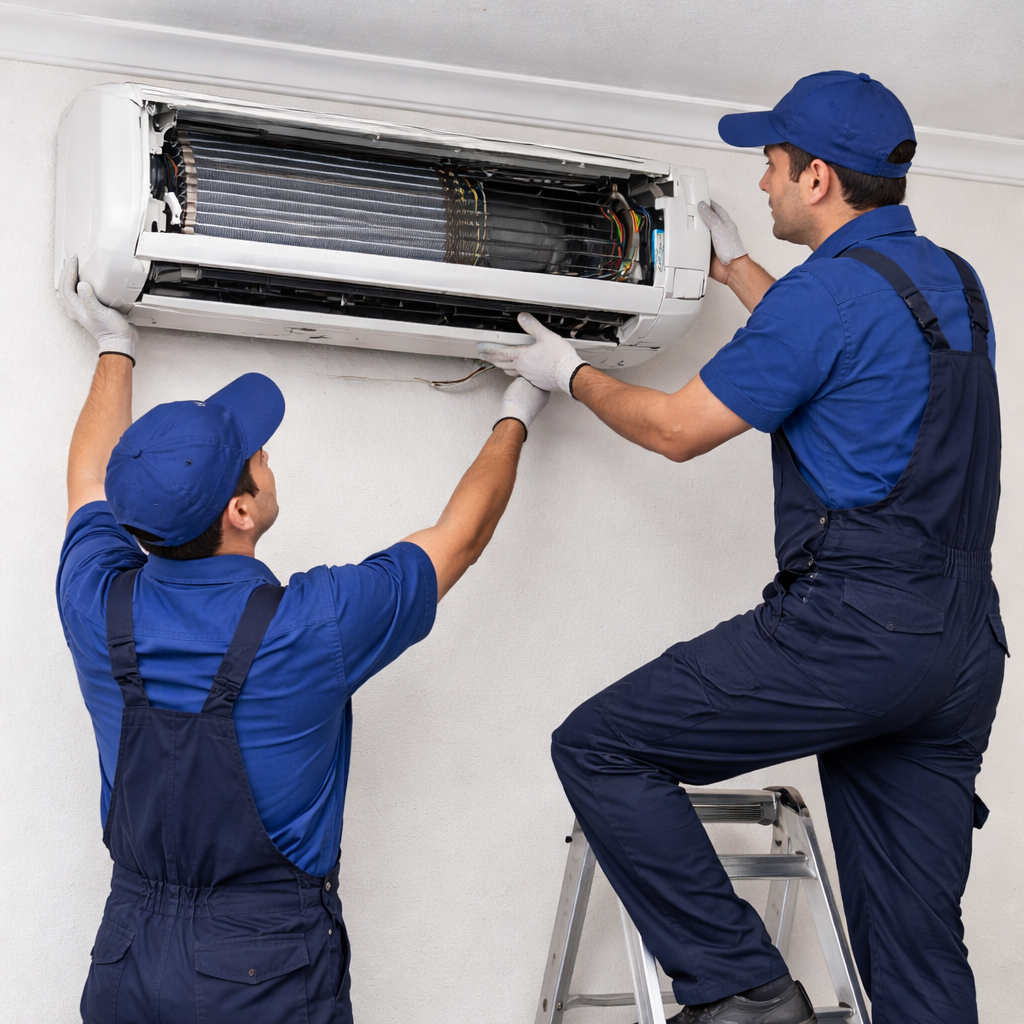
When temperatures rise, most homeowners expect their cooling system to work without interruption. Yet many air conditioning problems develop gradually due to neglected maintenance, restricted airflow, or excessive strain during prolonged hot weather. Small issues can quickly turn into expensive repairs when systems are forced to run harder than necessary.
Reliable indoor cooling depends on more than simply adjusting the thermostat. Consistent performance comes from smart habits, preventative care, and recognizing warning signs early. Homeowners who schedule timely AC repair in Wallace, NC often avoid sudden breakdowns during the hottest weeks of summer while keeping their systems operating more efficiently throughout the season.
1. Replace Air Filters Regularly
Dirty air filters are one of the most common reasons cooling systems lose efficiency. As dust, pet hair, and debris accumulate, airflow becomes restricted, forcing the system to work harder to cool the home evenly.
Most households benefit from replacing filters every one to three months, although homes with pets or high pollen exposure may require more frequent changes. A clean filter helps improve airflow, reduces strain on the blower motor, and supports healthier indoor air quality.
Neglecting this simple task can lead to uneven temperatures, higher energy bills, and unnecessary wear on critical HVAC components.
2. Schedule Seasonal HVAC Inspections
Routine inspections help identify small issues before they become expensive emergency repairs. Professional technicians can evaluate refrigerant levels, inspect electrical components, clean coils, and verify overall system performance.
Many cooling failures occur because minor wear and tear go unnoticed until temperatures peak. Preventative maintenance reduces the likelihood of unexpected breakdowns while improving energy efficiency and extending equipment lifespan.
Homeowners who arrange seasonal AC repair in Wallace, NC and inspections before extreme summer weather often experience fewer cooling interruptions and more consistent indoor comfort.
3. Monitor Thermostat Performance
Thermostats play a major role in maintaining steady indoor comfort. Incorrect settings, outdated models, or poor thermostat placement can create temperature inconsistencies throughout the home.
Programmable and smart thermostats allow homeowners to reduce cooling demand during unoccupied hours while maintaining comfortable temperatures when needed. Even small adjustments can improve efficiency significantly over an entire season.
If rooms feel warmer than the thermostat reading suggests, calibration problems or sensor issues may be affecting system performance. Addressing thermostat concerns early can prevent unnecessary strain on the system.
4. Seal Air Leaks Around the Home
Many cooling problems are caused by conditioned air escaping through gaps around doors, windows, and poorly insulated areas. Even an efficient air conditioning system struggles when cooled air continuously leaks outdoors.
Inspect weather stripping, window seals, attic insulation, and duct connections for signs of air leakage. Sealing these areas helps stabilize indoor temperatures and reduces the amount of time the system needs to run.
Homes with significant air leaks often experience uneven cooling, increased humidity, and rising energy costs during the summer months.
5. Keep Outdoor Units Clear of Debris
Outdoor condenser units need adequate airflow to release heat effectively. Leaves, grass clippings, weeds, and dirt can block ventilation around the unit and reduce cooling performance.
Maintain at least two feet of clear space around the condenser. Trim back vegetation regularly and gently rinse away accumulated debris using a garden hose. Avoid using high-pressure washing equipment, which may damage delicate fins.
Restricted outdoor airflow often causes systems to overheat, increasing energy usage and shortening equipment lifespan. Regular cleaning supports smoother operation during prolonged heat waves.
6. Avoid Overworking the Cooling System
Constantly lowering the thermostat will not cool a home faster. Instead, it forces the system to run longer and increases wear on internal components.
During particularly hot weather, combining moderate thermostat settings with ceiling fans can improve comfort while reducing strain on the air conditioner. Closing blinds during peak afternoon sunlight also helps minimize indoor heat gain.
Simple habits like limiting oven use during hot afternoons or using exhaust fans while cooking can further support cooling efficiency.
7. Watch for Early Warning Signs
Air conditioning systems rarely fail without warning. Strange noises, reduced airflow, unpleasant odors, or inconsistent cooling often indicate developing problems.
Some common warning signs include:
- Warm air blowing from vents
- Unusual banging or grinding sounds
- Frequent cycling on and off
- Higher-than-normal energy bills
- Excess indoor humidity
- Water leaks near the indoor unit
Ignoring these symptoms may allow minor issues to escalate into compressor failures or electrical damage. Early repairs are usually less costly and less disruptive than emergency replacements.
8. Improve Indoor Air Circulation
Poor airflow inside the home can make cooling systems appear less effective even when the equipment is functioning properly. Furniture blocking vents, closed interior doors, or cluttered return vents can restrict circulation.
Ensure supply and return vents remain unobstructed throughout the home. Ceiling fans also help distribute cooled air more evenly, reducing hot spots in larger rooms.
Balanced airflow allows the system to cool spaces more consistently while reducing overall runtime and energy consumption.
9. Control Indoor Humidity Levels
Humidity has a major impact on indoor comfort. Even moderately warm rooms can feel uncomfortable when moisture levels are high.
Air conditioners naturally remove some humidity during operation, but excessive moisture may indicate oversized equipment, poor ventilation, or drainage issues. Using dehumidifiers in humid areas can help maintain a more comfortable indoor environment.
Lower indoor humidity often allows homeowners to feel comfortable at slightly higher thermostat settings, reducing cooling costs without sacrificing comfort.
10. Know When Older Systems Need Attention
Aging systems gradually lose efficiency and become more vulnerable to breakdowns. Frequent repairs, inconsistent cooling, and rising utility bills may indicate that a system is struggling to meet current cooling demands.
Most residential air conditioners last around 10 to 15 years with proper maintenance. Older systems often operate less efficiently than newer models designed with updated energy standards.
Evaluating repair frequency and overall performance helps homeowners decide when continued repairs are no longer cost-effective.
Conclusion
Reliable indoor cooling depends on consistent maintenance, efficient airflow, and early attention to developing problems. Small preventative steps throughout the season can reduce system strain, lower energy costs, and help homeowners avoid disruptive breakdowns during periods of extreme heat.
By combining routine inspections, proper airflow management, and timely repairs, homeowners can keep cooling systems operating efficiently while maintaining steady indoor comfort throughout the warmest months of the year.