Kitchen Tile Flooring Ideas for Stylish and Durable Homes

Introduction
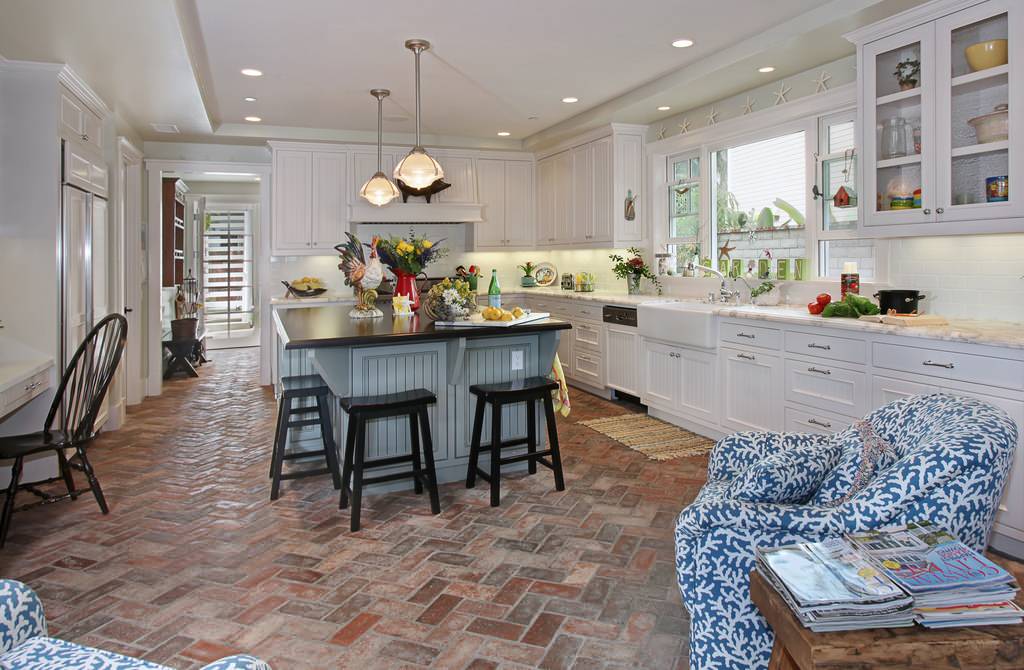
The kitchen has changed a lot since it was just a place to cook. It is now a social hub, a design statement, and one of the most used rooms in every home. Because of this change, choosing the right flooring is more important than ever. Homeowners who want a blend of beauty, robustness, and long-term performance have come to love kitchen tile flooring. Tiles can tolerate spills, heat, dampness, and a lot of foot activity, and they may be used in a lot of different ways. Tile flooring gives your kitchen a strong base that works with both traditional and modern styles, no matter how big or little it is.
Why tile Floors are Great for Kitchens
Kitchens need more from their floors than virtually any other space. Water, oil, fallen utensils, and regular cleaning can swiftly wear down low-quality materials. What makes kitchen tile flooring stand out is that it is made to handle these problems with ease. Tile floors are great for kitchens since they don’t hold onto smells or stains. They also stay cold underfoot, which is nice in hot weather or when there are a lot of people around. Because tile is naturally robust, you don’t have to worry as much about dents, scratches, or warping, even after years of use.
Learning about the Different Types of Tile Materials
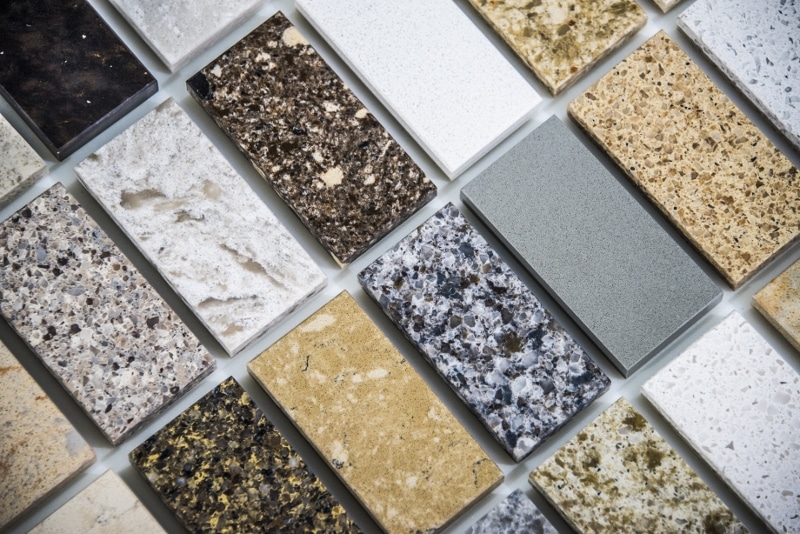
There are many different types of tiles, and each one has its own look and performance benefits. Ceramic tiles are popular because they are cheap and come in a wide range of colors and patterns. Because porcelain tiles are denser and less porous, they are great for kitchens that get a lot of foot activity and dampness. Natural stone tiles like marble, granite, or slate give a room a rich and natural look, but they need more attention. The ideal material for your kitchen relies on how you live, how much upkeep you want to do, and the overall look you want to achieve.
Design Styles That Make Kitchens Look Better
One of the best things about tile floors is that they can fit in with almost any kind of design. Kitchen tile floors can work well with simple, clean-lined, and neutral-colored rooms, or they can make rustic kitchens look better with textured finishes that look like natural stone or wood. Patterned tiles can be a dramatic focal point that adds character and artistic flair. Large-format tiles make a space look sleek and smooth by hiding grout lines. Smaller tiles can add charm and character to kitchens that are inspired by classic or vintage styles.
Choosing Colors and Making an Impact
The color of a kitchen is quite important in how it feels. Light-colored tiles can make tiny kitchens look bigger and brighter by reflecting both natural and artificial light well. Darker tiles give a room more depth and style, especially when they are used with cabinets and counters that are a different color. Beige, gray, and off-white are neutral colors that will always look good. This gives you the freedom to change other things later if you want to. When choosing the color of your kitchen tile floor, you should think about how it will look and how it will feel every day.
Texture, Finish, and Resistance to Slipping
The texture and polish of tiles, in addition to their color and pattern, affect how they seem and how safe they are. Matte finishes give a room a simple, modest look and make it less slippery, which is important in kitchens where spills are prevalent. Glossy tiles look great because they reflect light well and make a room feel polished. However, they may need to be cleaned more often. Textured tiles can appear like wood or stone and offer character. They can give warmth without losing strength. Picking the proper finish makes ensuring the kitchen stays both useful and stylish.
Long-Lasting and Strong Performance
One of the best things about kitchen tile flooring is that it lasts a long time. Tiles of good quality can handle heavy appliances, regular movement, and fluctuations in temperature. Some types of flooring wear out rapidly, but tiles keep their look for decades if they are laid and cared for properly. Even in kitchens with a lot of sunlight, they don’t fade easily. Tile flooring is not just a design option, but also a smart investment for the future because it lasts so long.
Things to Think about and Get Ready for Installation
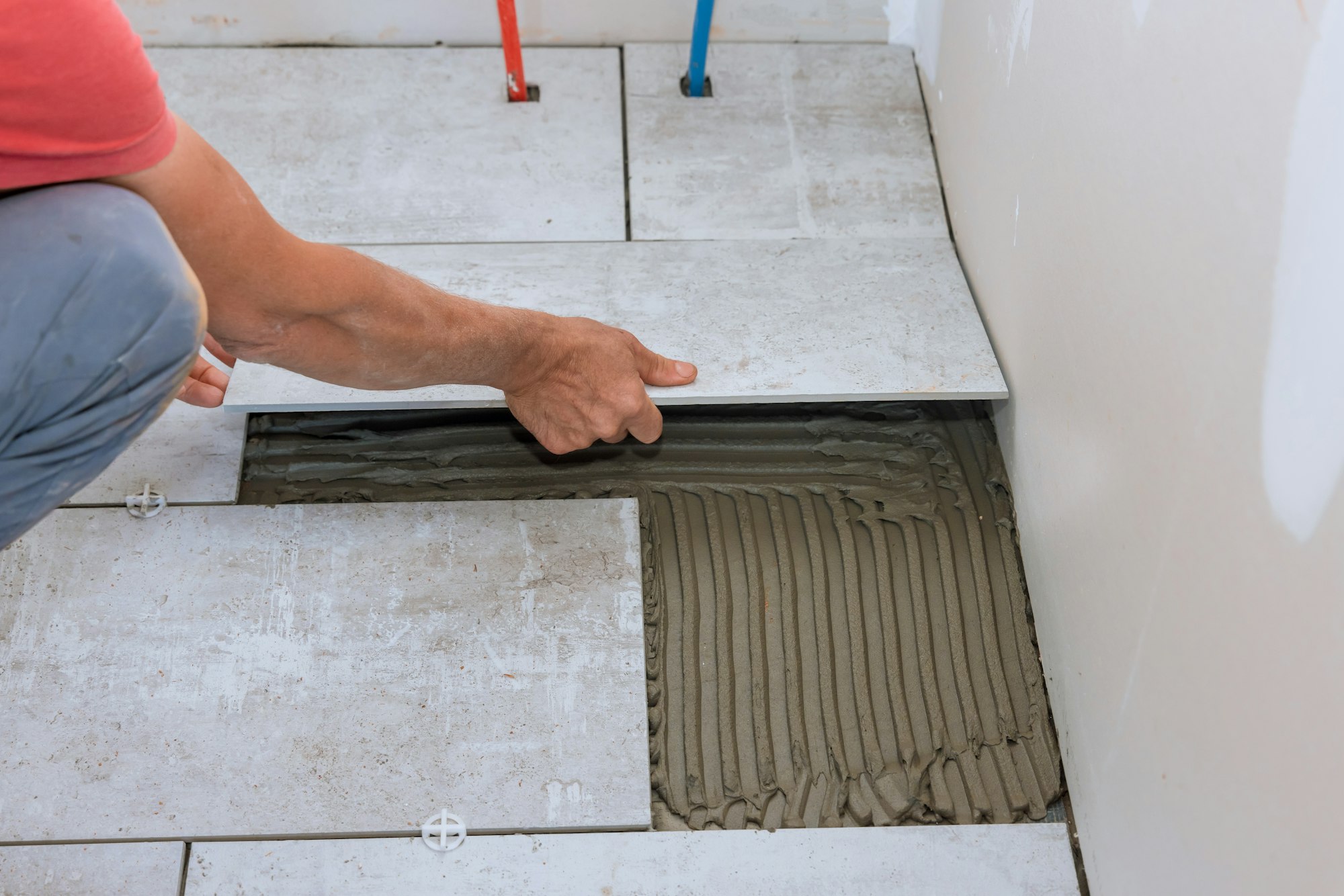
The success of any tile flooring job depends on how well it is installed. To keep the subfloor from cracking or becoming uneven over time, it must be level, clean, and stable. Planning the layout of the tiles is just as crucial because it decides where the cuts will be and how the patterns will line up. Professional installation makes sure that the spacing is right, the grout lines are well-finished, and the tiles stick securely. Installation may take more work up front than some other options, but the end result is a floor that works well for many years.
Choosing Grout and Its Role in Design
People frequently forget about grout, yet it has a big effect on how tiled flooring look as a whole. Grout can either match the tiles perfectly or stand out and bring forth patterns and forms. Grout that is lighter makes things look clean and put together, while grout that is darker can help disguise stains and give things more definition. New grout technologies have also made it possible to get alternatives that are stain-resistant and easy to care for, which makes it easier to keep floors looking new. Choosing the right grout can make the floor seem better and work better.
Everyday Care and Maintenance
Another reason why tiled floors are so popular in kitchens is that they are easy to care for. Sweeping or vacuuming regularly gets rid of dirt, and mopping with water keeps the surface clean and healthy. Kitchen tile floors don’t hold onto allergies, so they’re a better choice for indoor spaces. Natural stone tiles may need to be sealed from time to time, while ceramic and porcelain tiles usually don’t need much care. Tile flooring keep their natural beauty and usefulness with regular cleaning.
Things to Think About for Comfort and Temperature
Tile is recognized for being cool, but you can make it more comfortable by making smart design decisions. Area rugs in work areas give you extra cushioning where you stand the most, like by the sink or stove. You may also put underfloor heating systems under tiles. This will keep your home warm in the winter without ruining its look. These options let homeowners enjoy the benefits of tile while also meeting their comfort needs.
Benefits for the Environment and Health
Tiles can be good for the environment, especially if they are created from natural materials or recycled materials. They don’t give off toxic chemicals and help make the air inside nicer. Kitchen tile floors help keep your home cleaner by preventing the formation of mold and bacteria. Tile flooring is a good choice for homes that value health and sustainability since it looks well and works well.
Price, Value, and Return on Investment
Tile floors may cost more at first than certain other types of flooring, but they last longer, which makes them a better bargain over time. Tiles don’t need to be replaced very often, which saves money in the long run. Potential buyers are particularly drawn to kitchens with attractive, long-lasting floors, which increases the home’s resale value. When looking at expenses, you need think about more than just the cost of installation. You should also think about the cost of upkeep and how long the product will last. In this case, tile flooring is a smart and cost-effective choice.
How to Make Tile Flooring Work in Different Kitchen Layouts
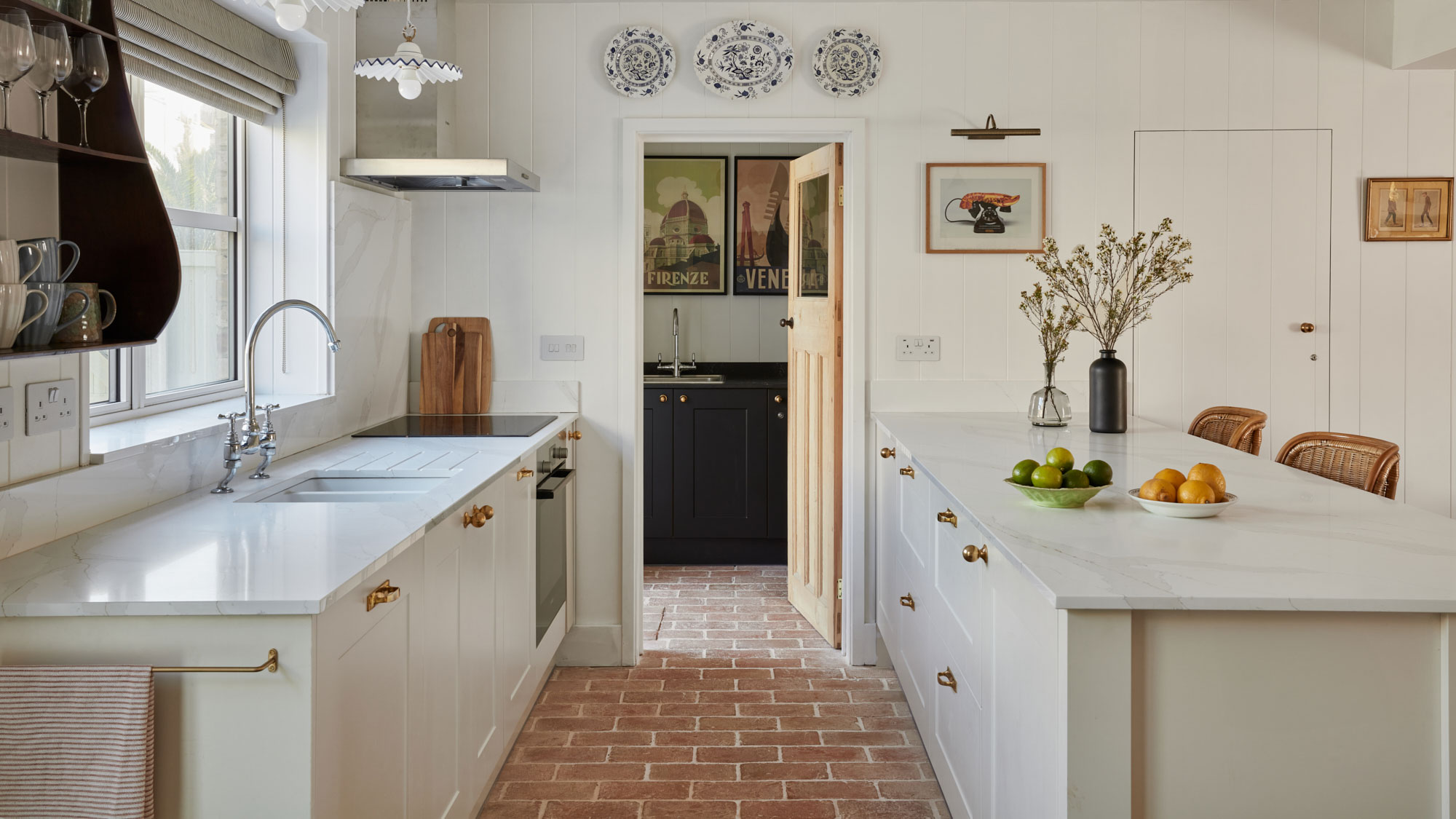
Every kitchen plan has its own problems and chances. Tiles that visually connect the cooking area with nearby areas make open-plan kitchens look more unified. Using the right tile patterns in a tiny kitchen can make it feel bigger and more welcoming. Kitchen tile flooring fits perfectly into different layouts, giving you design freedom without losing functionality. This flexibility makes it good for both modern apartments and old-fashioned residences.
What will Happen with Kitchen Flooring Design in the Future
Tile flooring is still at the cutting edge of design as it continues to change. New manufacturing techniques have made tiles that look like wood, concrete, and even cloth, which opens up new creative possibilities. People like larger tile sizes and delicate textures because they look modern. These trends keep tile flooring up to date by giving homeowners new options that fit with their changing tastes and ways of living.
In conclusion,
The type of flooring you choose will set the mood for the whole kitchen. Few materials can equal the durability, adaptability, and beauty of kitchen tile flooring. Tile flooring satisfies the functional needs of busy kitchens while also making them look better. It does this by allowing for a wide range of materials and designs, as well as long-term performance and easy maintenance. Tile flooring may last a long time and support both everyday life and classic style if they are planned and installed carefully.
Read More:- Small Bathroom Ideas That Transform Tight Spaces Beautifully