The Inspired Room Guide to Creating Meaningful and Timeless Spaces


Introduction
The inspired room is more than a design phrase; it represents a mindset that prioritizes meaning, comfort, and individuality over trends that fade quickly. In a world filled with fast décor and constantly changing aesthetics, this approach stands out by focusing on how a space makes people feel rather than how closely it follows a catalog or showroom style. The inspired room encourages homeowners to slow down, evaluate their lifestyle, and create interiors that support daily life while reflecting personal stories. This philosophy resonates strongly with people who want their homes to feel lived-in, warm, and authentic rather than overly styled or impersonal.
At its core, the inspired room concept is rooted in intentional design. Every piece in a space has a reason for being there, whether it is functional, sentimental, or emotionally grounding. Instead of filling rooms with decorative clutter, this approach emphasizes thoughtful curation. Furniture, lighting, textures, and colors are chosen to work together harmoniously, allowing a room to evolve naturally over time. This flexibility makes the inspired room especially appealing to homeowners who prefer long-term satisfaction over short-lived visual impact.
Understanding the Philosophy Behind Inspired Interiors
The philosophy behind the inspired room begins with the belief that homes should serve the people who live in them. Rather than forcing a lifestyle to fit a design trend, inspired interiors adapt to real routines, habits, and preferences. This means acknowledging imperfections, embracing comfort, and valuing practicality alongside beauty. A space designed with inspiration in mind does not aim for perfection but for connection, allowing individuals to feel relaxed and truly at home.
This design approach also highlights the emotional impact of interiors. Colors influence mood, textures affect comfort, and lighting shapes how a room feels throughout the day. By understanding these elements, the inspired room philosophy creates spaces that feel supportive and calming. It encourages designers and homeowners alike to trust their instincts, drawing inspiration from memories, nature, travel, and everyday life. As a result, each inspired room becomes a reflection of personal experience rather than a copy of a predefined style.
The Role of Personal Storytelling in Interior Spaces
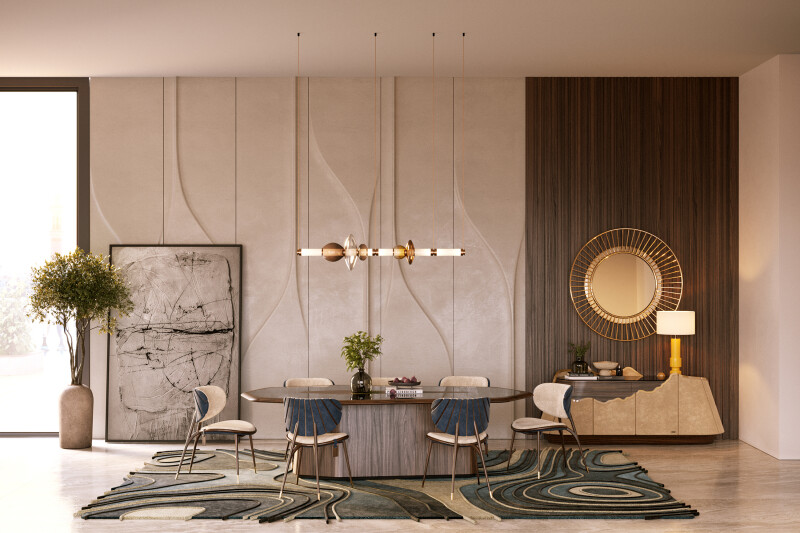
Personal storytelling is a defining element of the inspired room. Homes designed with this concept often feature items that carry meaning, such as heirlooms, handmade objects, or souvenirs from meaningful journeys. These elements transform interiors into narratives that unfold over time, creating deeper emotional connections between people and their spaces. Rather than hiding personal items in favor of uniform décor, the inspired room celebrates individuality and memory.
Storytelling through design also encourages authenticity. When a room reflects personal history, it naturally feels more welcoming and unique. This approach allows homeowners to express themselves without worrying about matching every detail perfectly. Over time, the inspired room becomes richer as new memories are added, reinforcing the idea that a home is a living environment rather than a finished product.
Creating Balance Between Beauty and Function
One of the most important aspects of the inspired room is the balance between beauty and function. A space can be visually stunning, but if it does not support daily activities, it quickly becomes frustrating. Inspired interiors prioritize usability, ensuring that furniture arrangements, storage solutions, and layouts align with everyday needs. This balance creates environments that feel both elegant and effortless.
Functionality does not mean sacrificing style. Instead, the inspired room integrates practical elements seamlessly into the design. Thoughtful storage, durable materials, and adaptable layouts ensure that spaces remain comfortable and efficient. By considering how a room will be used, designers can create interiors that age gracefully and remain enjoyable for years to come.
Color and Texture as Tools for Inspiration
Color and texture play a vital role in shaping the inspired room. Rather than relying on bold trends, inspired interiors often favor timeless palettes that evoke calm and warmth. Neutral tones, soft contrasts, and layered textures create depth without overwhelming the senses. These choices allow rooms to feel cohesive and adaptable, making it easier to introduce new elements over time.
Texture adds richness and dimension to interiors, enhancing both visual and tactile experiences. Natural materials such as wood, linen, and stone contribute to a grounded and inviting atmosphere. In the inspired room, texture is used intentionally to balance smooth surfaces with tactile elements, creating spaces that feel comfortable and engaging.
Lighting and Atmosphere in Inspired Design

Lighting is a powerful yet often underestimated element of the inspired room. Natural light is embraced whenever possible, enhancing the sense of openness and connection to the outdoors. Window treatments are chosen to filter light gently, creating a soft and welcoming glow throughout the day.
Artificial lighting is layered to support different moods and activities. Ambient lighting establishes overall comfort, task lighting provides functionality, and accent lighting highlights meaningful features. In the inspired room, lighting is not merely practical but emotional, shaping how spaces feel during different moments of the day.
Furniture Selection and Timeless Appeal
Furniture in the inspired room is chosen with longevity in mind. Rather than following fleeting trends, this approach favors well-crafted pieces that offer comfort and durability. Classic silhouettes, quality materials, and versatile designs ensure that furniture remains relevant even as tastes evolve. This timeless appeal reduces the need for frequent replacements and promotes sustainable living.
The placement of furniture also reflects intentionality. Arrangements encourage conversation, relaxation, and movement, supporting the way people naturally interact within a space. In the inspired room, furniture becomes a foundation for daily life rather than a static display.
Inspired Rooms and Sustainable Living
Sustainability aligns naturally with the inspired room philosophy. By focusing on intentional choices and long-term value, inspired interiors reduce waste and overconsumption. Reusing existing furniture, incorporating vintage finds, and selecting durable materials contribute to a more environmentally conscious approach to design.
This mindset encourages homeowners to appreciate what they already have while making mindful upgrades when necessary. The inspired room demonstrates that sustainability does not require sacrificing beauty but rather enhances it through thoughtful decision-making and respect for resources.
Adapting the Inspired Room to Different Spaces
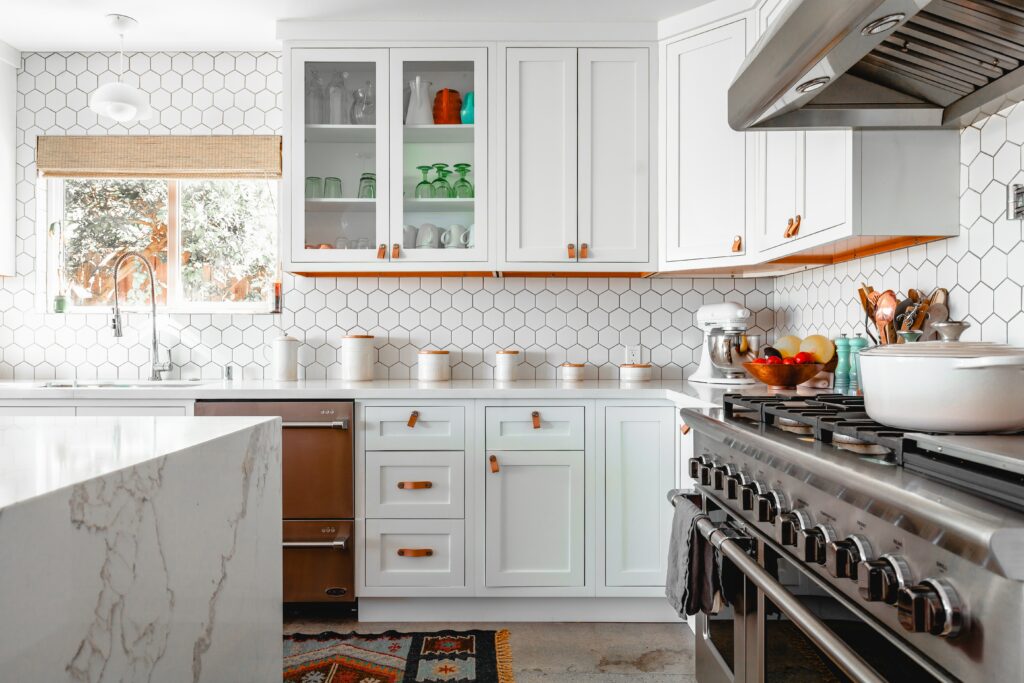
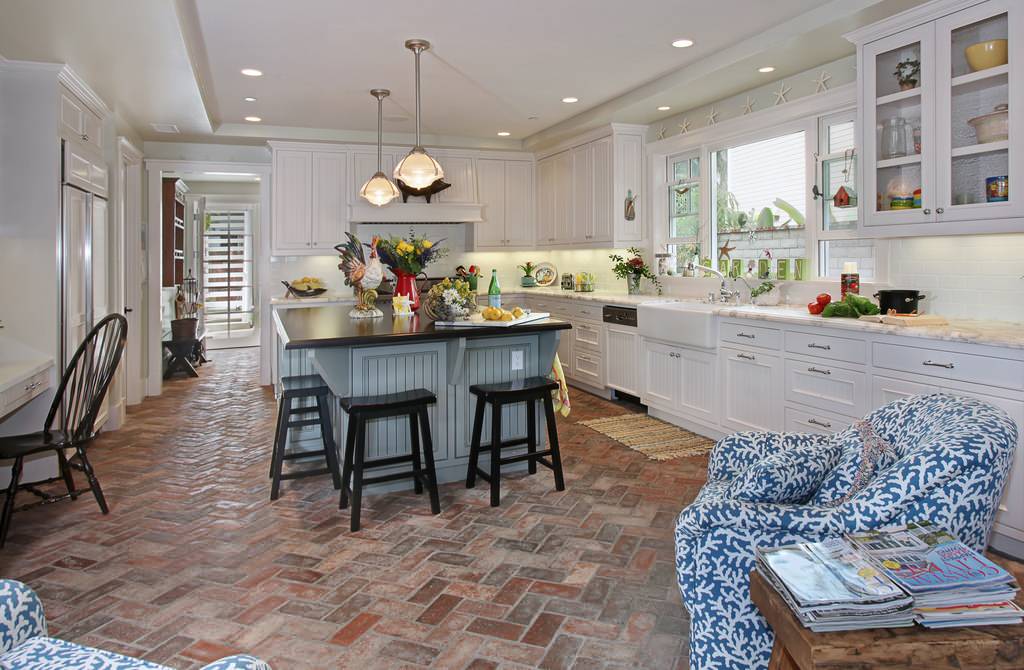
The principles of the inspired room can be applied to any area of the home, regardless of size or layout. In living rooms, this approach emphasizes comfort and connection, creating spaces that invite relaxation and conversation. Bedrooms become sanctuaries that support rest and personal reflection, while kitchens focus on functionality and warmth.
Even small spaces benefit from inspired design. By prioritizing intentional choices and multifunctional elements, compact rooms can feel open and welcoming. The flexibility of the inspired room philosophy allows it to adapt seamlessly to diverse lifestyles and architectural styles.
Emotional Well-Being and the Power of Home
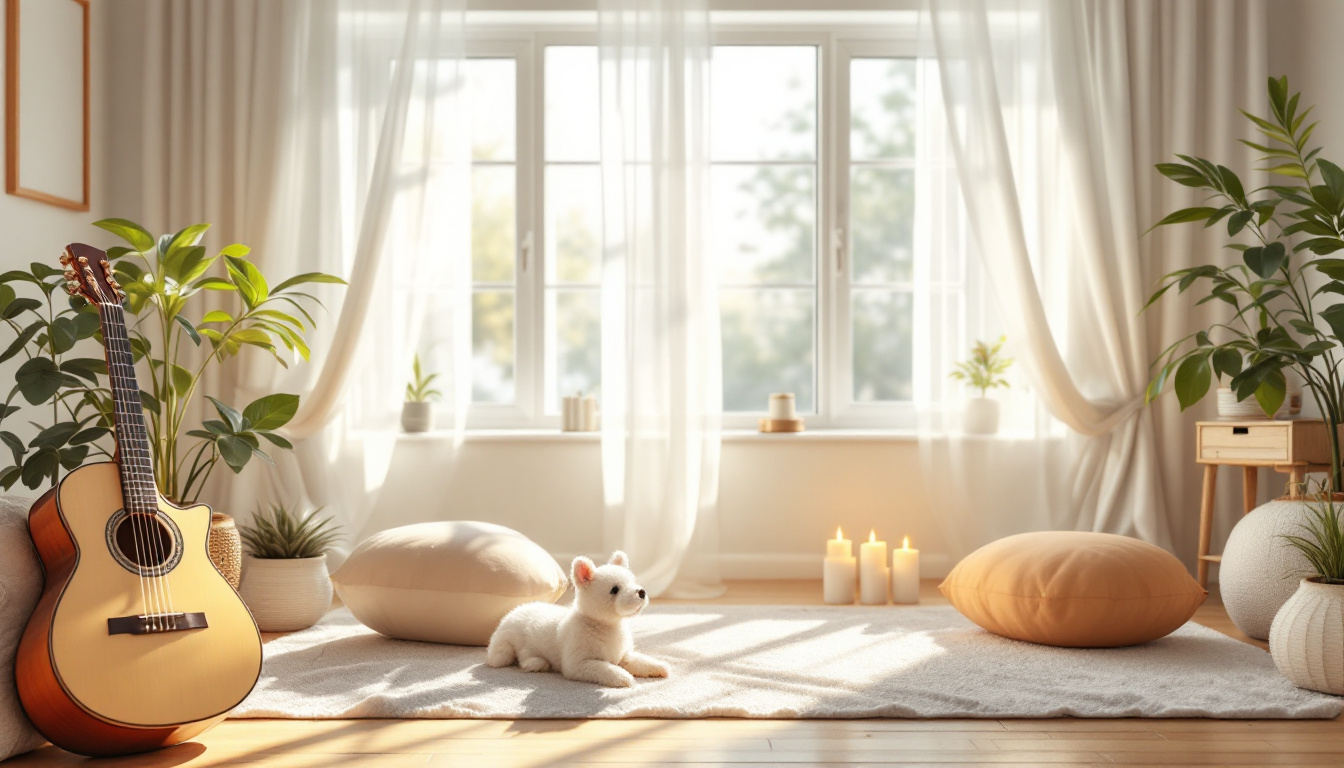
The inspired room has a profound impact on emotional well-being. When spaces are designed with care and intention, they support mental clarity, relaxation, and a sense of belonging. A thoughtfully designed home provides comfort during stressful times and enhances everyday moments of joy.
By surrounding themselves with meaningful objects and calming environments, individuals can cultivate a deeper connection to their living spaces. The inspired room becomes a source of stability and inspiration, reinforcing the idea that home is not just a physical place but an emotional anchor.
Evolving Spaces Over Time
One of the defining characteristics of the inspired room is its ability to evolve. Rather than striving for a finished look, inspired interiors are designed to grow and change alongside their occupants. This adaptability allows homeowners to refresh their spaces gradually, incorporating new influences without losing cohesion.
As life circumstances shift, rooms can be reimagined to meet new needs. This flexibility ensures that the inspired room remains relevant and supportive, reflecting the ongoing journey of the people who live within it.
Conclusion
The enduring appeal of the inspired room lies in its emphasis on authenticity and intention. By prioritizing personal connection over perfection, this approach creates spaces that feel genuine and comforting. It encourages individuals to trust their instincts and value what truly matters, resulting in interiors that stand the test of time.
In a fast-paced world, the inspired room offers a sense of calm and grounding. It reminds us that homes are meant to nurture and inspire, providing a backdrop for meaningful experiences and everyday living. Through thoughtful design and emotional awareness, the inspired room continues to resonate with those seeking more than just a visually appealing space.
Read More:- Creative Backyard Ideas to Transform Outdoor Living Spaces