Best Tips for DIY Home Repairs That Save Time, Money, and Stress

Introduction
You don’t always have to hire a pro to fix every little thing that goes wrong with your home. Being able to do minor repairs on your own can give you power, save you money, and be pleasantly satisfying. The best tips for diy home repairs is to increase your confidence, learn about your home’s basic systems, and know when a job is too big for you to handle and when you need professional aid. Many common problems, such small plumbing leaks and damage to the walls, may be fixed with the appropriate attitude, patience, and planning. Home repairs you do yourself not only save you money, but they also help you learn more about how your home works, which means better long-term care and fewer emergencies.
Before You Start Fixing Things, Get to Know Your Home
One thing that many people forget about when doing DIY projects is how to comprehend the structure and systems of their home. Age, materials, and the way the house was built all affect how it looks. Before you start any repairs, you need to know where the electrical wiring goes, how the plumbing lines are set up, and what materials were used to make the walls, floors, and ceilings. The best advice for fixing things around the house yourself is to always learn first, because guessing can lead to expensive blunders. Taking the time to look over problem areas, turning off utilities when necessary, and figuring out what caused the problem in the first place makes sure that repairs fix the problem instead of just hiding the symptoms.
How to Build a Reliable DIY Attitude
You need to be patient and willing to learn from your mistakes if you want to fix things around the house yourself. If you rush through a task, you may end up with uneven completion, problems that keep coming up, or even safety risks. To have the appropriate mindset, you need to understand that not every repair will go perfectly the first time. The best tips for diy home repairs is to plan carefully, set realistic goals, and keep going. Homeowners are more likely to get long-lasting outcomes when they tackle repairs in a calm and organized way. Small accomplishments over time boost confidence and make people want to take on undertakings that are a little harder.
Important Tools That Every DIY Homeowner Should Know
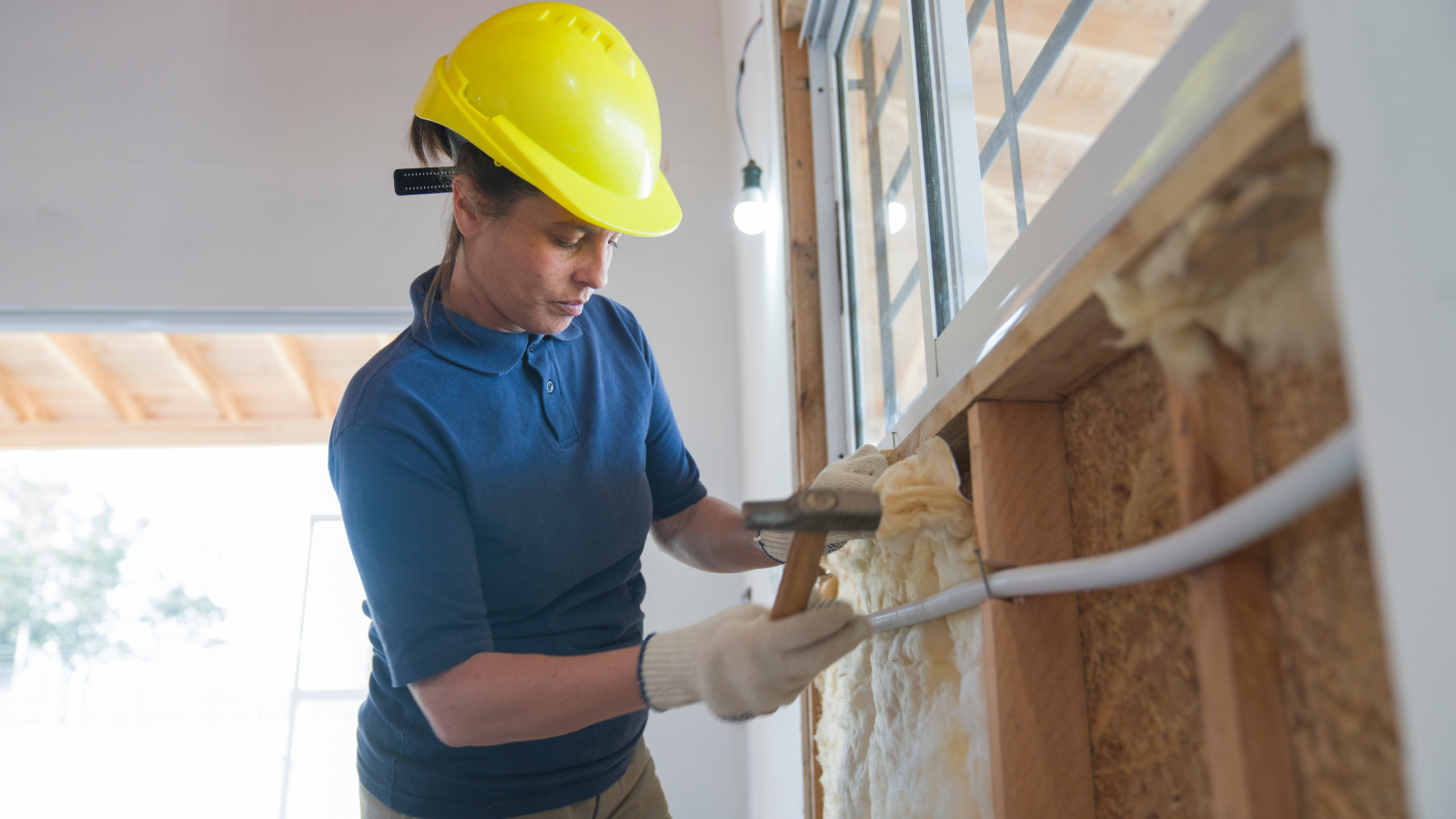
This page doesn’t cover tools, but it’s vital to note that having the right tools and knowing how to use them is a big part of making repairs work. A homeowner who knows how tools work may fix things more quickly and safely. The best suggestions for fixing things around the house yourself stress knowing how to use tools instead than how many tools you have. Even beginners may get professional-looking results without getting frustrated if they know how to measure correctly, cut cleanly, tighten firmly, and finish neatly.
How to Plan Repairs the Right Way
Any DIY project that goes well starts with planning. Before you begin, you should make sure you know exactly what the problem is, learn about the repair process, and figure out how long it will take. A lot of the time, DIY repairs take longer than you think, especially for novices. The best tips for diy home repairs is to break them up into stages so that you have time to plan, do, and clean up. Planning ahead also means making sure you have all the appropriate resources on hand before you start, which helps keep things from getting interrupted and work from being finished.
Taking Care of Common Wall and Surface Repairs
The walls and floors of a house are generally the first things to show signs of wear and tear. People often feel that they aren’t taking care of a room when there are cracks, holes, and peeling finishes. Taking care of these issues early stops more damage from happening and keeps things looking tidy. The greatest advice for fixing things around the house yourself is to figure out what caused the damage in the first place, such settling or moisture. When repairs are done right, walls may seem new and last for years, which makes the whole house feel better.
Do Your Own Plumbing Repairs with Confidence
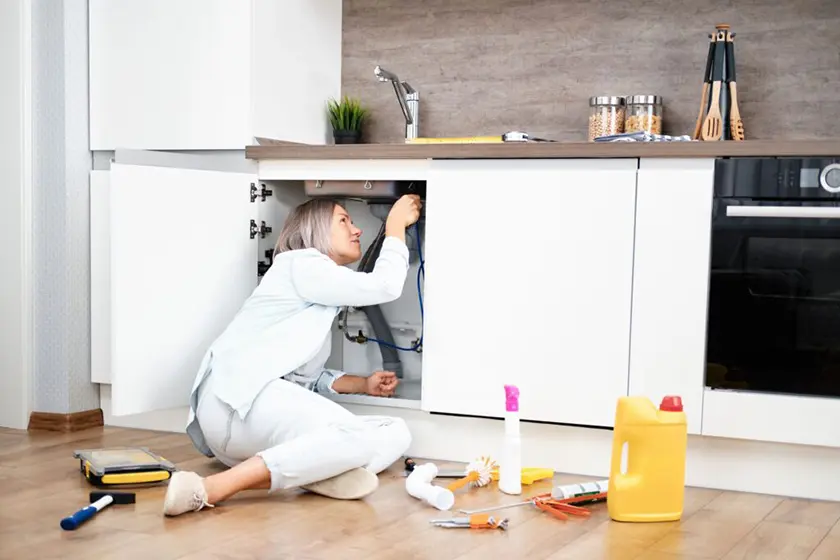
Many homeowners find plumbing problems to be very scary, but with the appropriate attitude, some of the most common ones can be fixed. Fixing leaky faucets, slow drains, and small pipe problems is usually simple. The finest suggestions for fixing things around the house yourself underline how important it is to turn off the water supply before starting any plumbing work. Knowing how seals, fittings, and water pressure function lowers the chance of leaks and damage. If you take your time and test your plumbing repairs completely, they can work and last for a long time.
Basic Electrical Repairs and Being Safe
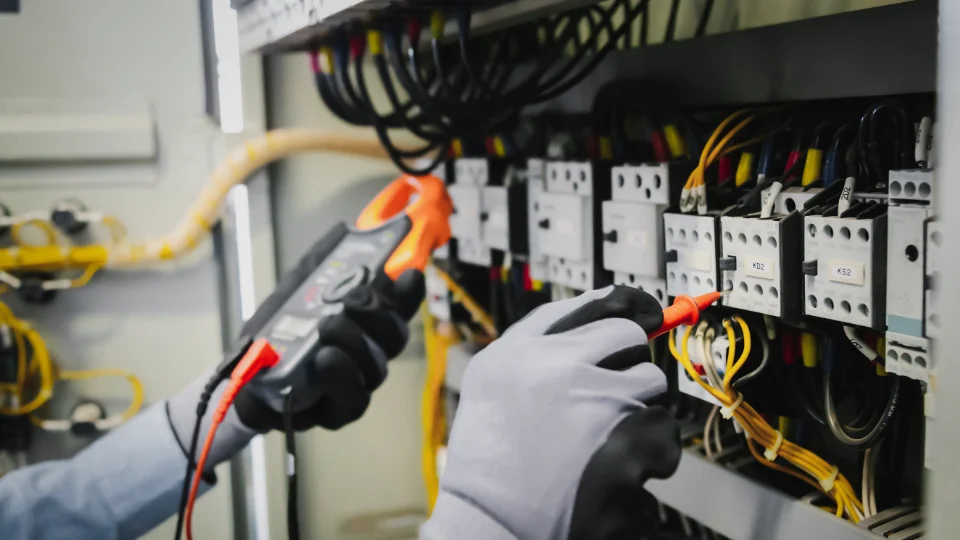
You need to be extra careful when doing electrical work, but with the right preparation, you may safely do a lot of easy jobs. When done right, replacing fixtures, switches, or outlets can make things work better and be safer. When doing your own home repairs, the greatest advice always stresses safety when working with electricity. This includes turning off the power at the source and inspecting connections again. Homeowners can prevent frequent blunders and know when a task is too hard for them to handle if they understand basic electrical concepts.
How to Fix and Maintain Floors
Floors get a lot of use every day, which makes them easy to scrape, loosen, and damage. Taking care of these problems early on helps keep flooring materials looking good and in good shape. Finding out what kind of flooring you have and employing the right repair procedures are the greatest recommendations for fixing things around the house yourself. Paying close attention to detail while making repairs, whether they are small surface flaws or loose parts, makes sure that the fixes blend in perfectly with the existing flooring and make it last longer.
Taking Care of Repairs to Doors and Windows
Doors and windows are very important for comfort, safety, and saving energy. Many homes have problems like doors that won’t open, drafts, or frames that aren’t lined up right. Finding the root cause of a problem is the most important part of DIY home repairs. This is usually connected to alignment, wear, or changes in the environment. Simple changes and upkeep can make things run more smoothly and enhance insulation, making your home more pleasant.
For a Professional Look, Paint and Finish
One of the most common DIY house repairs is painting since it makes things seem better right away. But getting a smooth and even finish takes time and planning. The greatest DIY house repair ideas stress how important it is to prepare the surface, use the right techniques, and give the repair enough time to dry. Thoughtful painting improves both the look of a space and the preservation of its surfaces, making it feel new and well-kept.
Preventive Maintenance as a Do-It-Yourself Plan
It’s typically better to do preventive maintenance than to fix things after they break. Regular checks and simple changes help homeowners find problems before they get worse. The greatest advice for fixing things around the house yourself is to make a timetable for regular maintenance that includes checking seals, tightening fittings, and cleaning important areas. This preventive strategy not only saves money, but it also lowers stress by making sure that problems don’t come up out of the blue.
Knowing When to Stop and ask for Help
Knowing your limits is a crucial element of doing things yourself. Not every repair can be done by yourself, especially if it has to do with safety or the structure of the building. One of the finest recommendations for doing house repairs yourself is to know when to stop and call a contractor. Getting advice at the proper moment stops you from making mistakes that cost you a lot of money and makes sure that complicated problems are solved correctly.
How to Budget and Keep Costs Down for DIY Projects
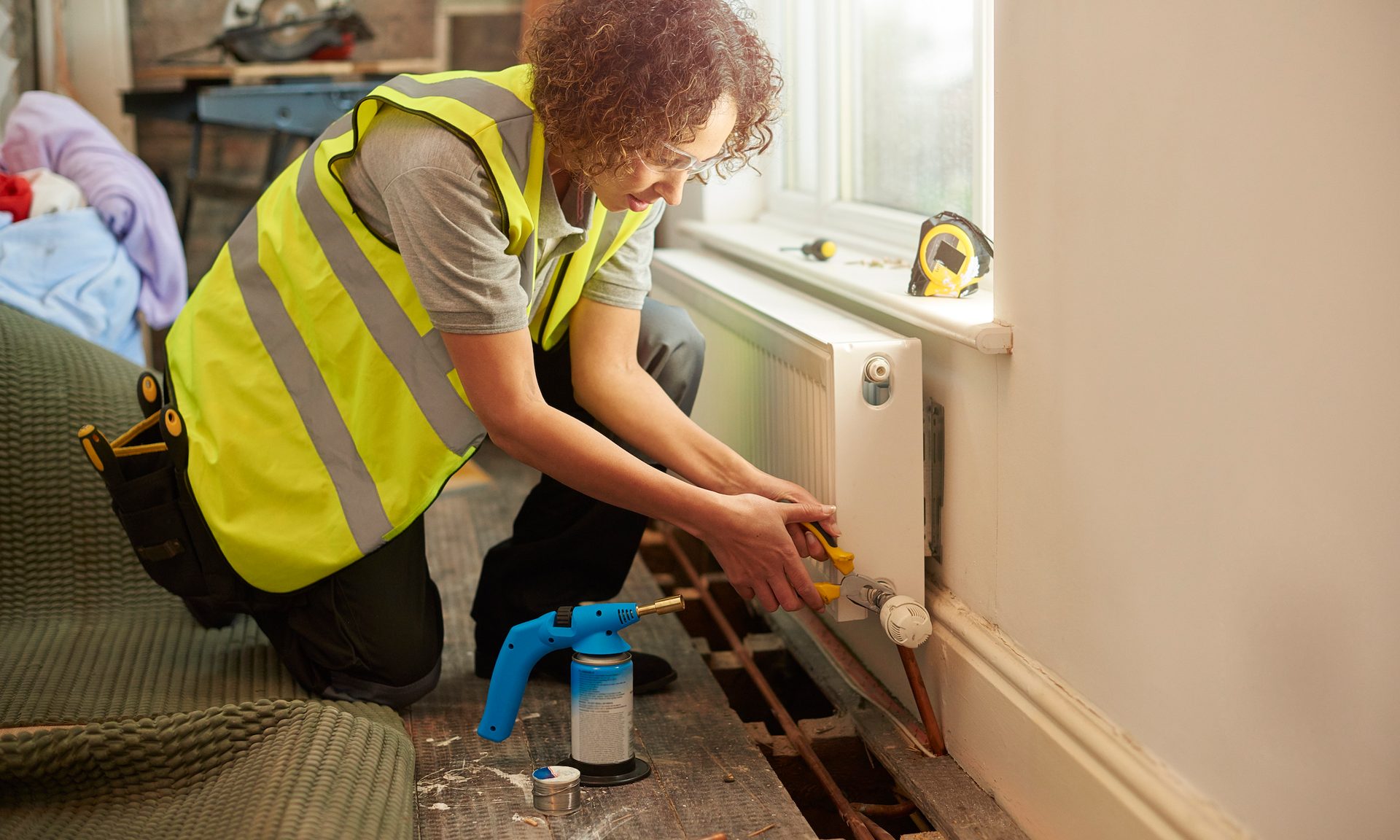
Saving money is one of the main reasons people do their own repairs, but costs may pile up quickly if you don’t prepare ahead. Knowing what materials you need and not buying things you don’t need will help you stay on budget. The best tips for diy home repairs is to invest wisely and pay attention to quality where it matters most. Planning ahead with your budget makes ensuring that DIY projects stay fun and affordable.
Getting Something Out of Every DIY Project
Every time you fix anything yourself, you can learn and get better. Thinking on what went well and what could have been done better is a great way to gain experience over time. The best tips for diy home repairs yourself is to keep learning, since each endeavor makes you more skilled and confident. As time goes on, homeowners get better at doing a larger range of repairs easily.
Conclusion:
Doing your own home repairs is more than just fixing things; it’s also about learning new skills, getting to know your home, and being in charge of maintenance. Homeowners may tackle DIY house repairs with confidence, patience, and knowledge if they follow the best advice. With careful planning, a focus on safety, and a desire to learn, doing repairs yourself is a useful and satisfying method to keep your home pleasant and working. Over time, these abilities can help you save money, make your home worth more, and feel more connected to the space you live in.
Read More:- DIY Home Improvement Guide for Beginners and Smart Homeowners