White Kitchen Cabinets for Timeless, Elegant, and Modern Homes

Introduction
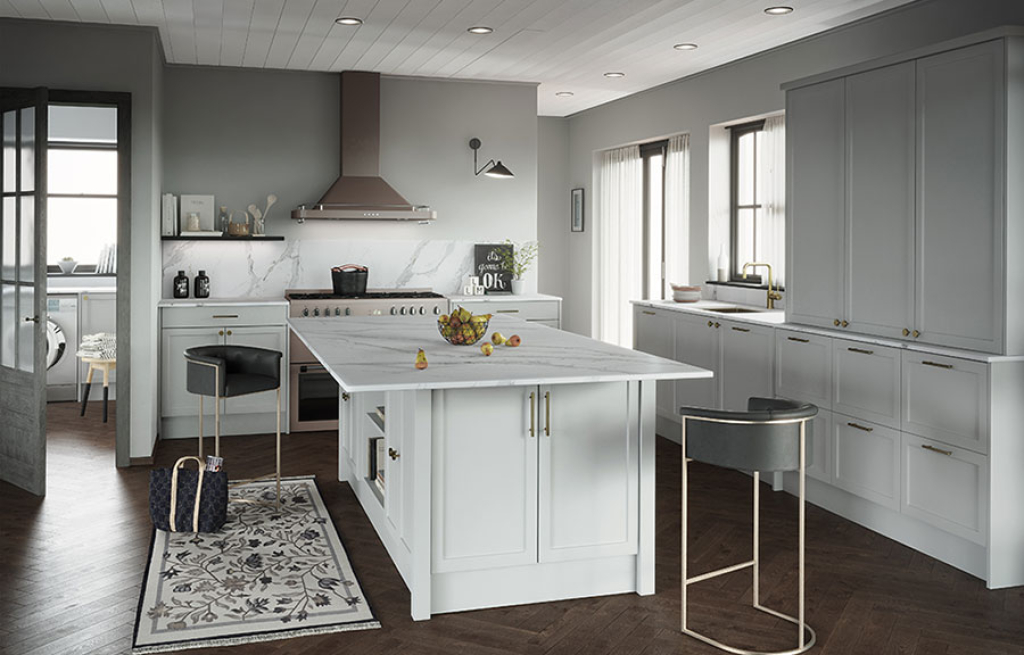
White kitchen cabinets have remained a defining element of interior design for decades because they offer a balance of elegance, simplicity, and adaptability that few other design choices can match. In kitchens of every size, from compact apartments to expansive family homes, this cabinet style creates an immediate sense of cleanliness and visual openness. The appeal lies not only in aesthetics but also in emotional comfort, as lighter tones naturally promote calmness and clarity. Homeowners often gravitate toward this look because it works across changing trends, adapting effortlessly as tastes evolve. Unlike bold colors that may feel dated after a few years, white cabinetry offers a reliable foundation that can be refreshed through small decorative updates rather than full renovations.
The Timeless Design Appeal
The enduring popularity of white cabinetry is rooted in its ability to transcend fleeting trends. Kitchens designed decades ago with light-toned cabinets often feel surprisingly current, especially when paired with updated fixtures or surfaces. This timelessness comes from the neutral nature of white, which does not compete for attention but instead allows architectural details, textures, and materials to shine. Whether a kitchen follows a traditional, transitional, or contemporary layout, this cabinet color supports the design rather than defining it too rigidly. Homeowners appreciate that investing in white kitchen cabinets means investing in longevity, as the space can be reimagined repeatedly without replacing the core cabinetry.
Creating a Bright and Open Atmosphere
Light plays a crucial role in how a kitchen feels, and cabinetry significantly affects how that light is reflected and distributed. White surfaces naturally bounce light around the room, making even smaller kitchens appear more spacious and welcoming. In homes with limited natural light, this effect becomes especially valuable, as the cabinetry helps compensate for darker corners and narrow layouts. The result is a kitchen that feels more breathable and less confined, encouraging social interaction and ease of movement. Designers often rely on white kitchen cabinets to visually expand the room, allowing walls and ceilings to feel taller and more expansive than they truly are.
Versatility Across Kitchen Styles
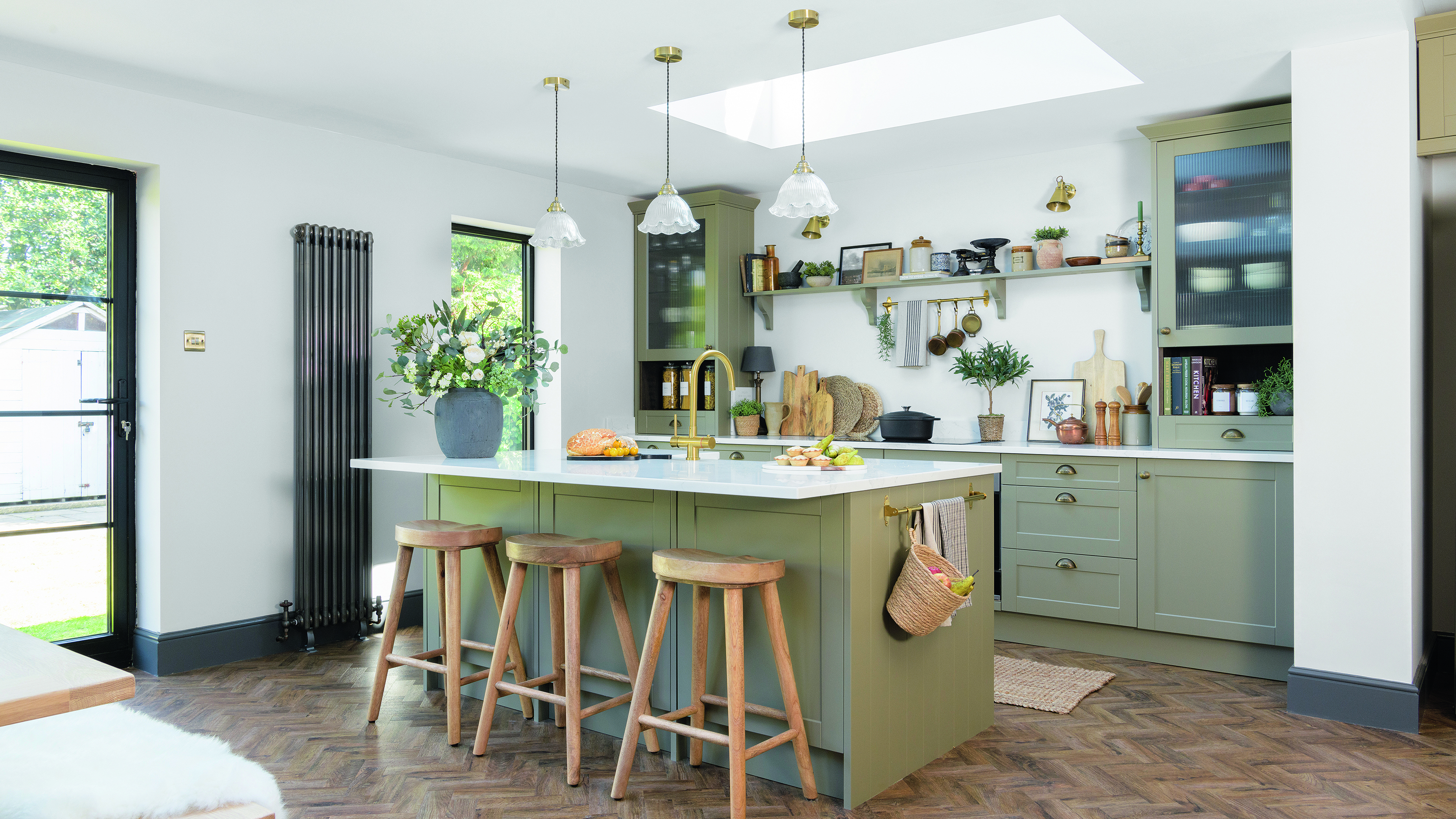
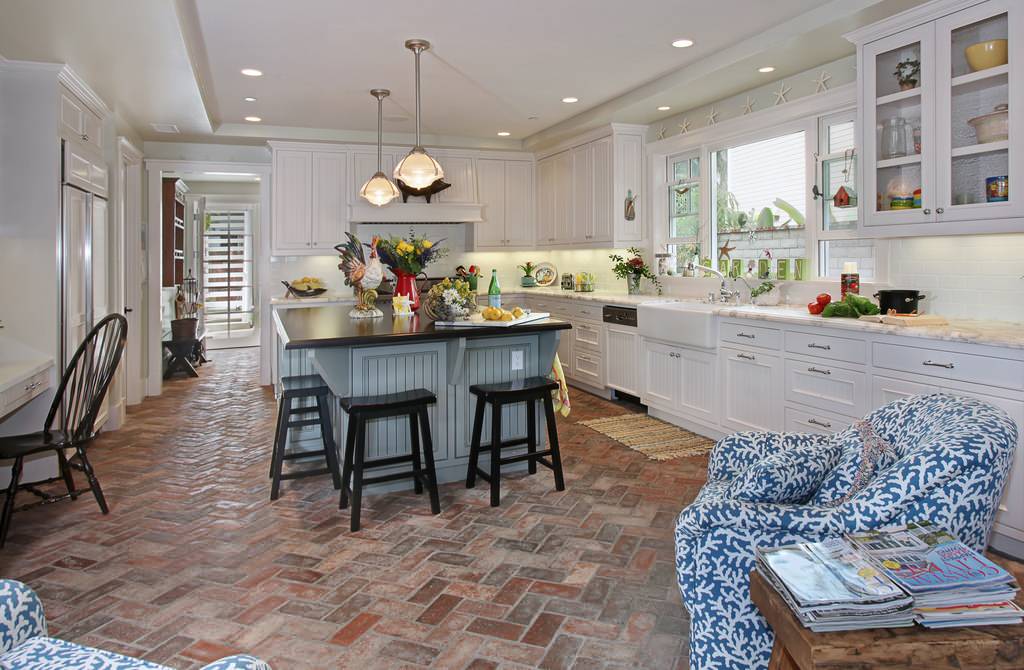
One of the greatest strengths of white cabinetry is its versatility across a wide range of kitchen styles. In classic kitchens, it complements ornate moldings, detailed hardware, and warm wood accents. In modern spaces, it pairs seamlessly with sleek lines, minimalist handles, and contemporary appliances. Even in rustic or farmhouse-inspired kitchens, white cabinetry provides a soft contrast to natural textures such as stone, brick, or reclaimed wood. This adaptability ensures that homeowners are not locked into a single aesthetic direction. Instead, white kitchen cabinets act as a neutral canvas that supports creative freedom, allowing the surrounding design elements to define the character of the space.
Pairing Cabinets With Countertops and Backsplashes
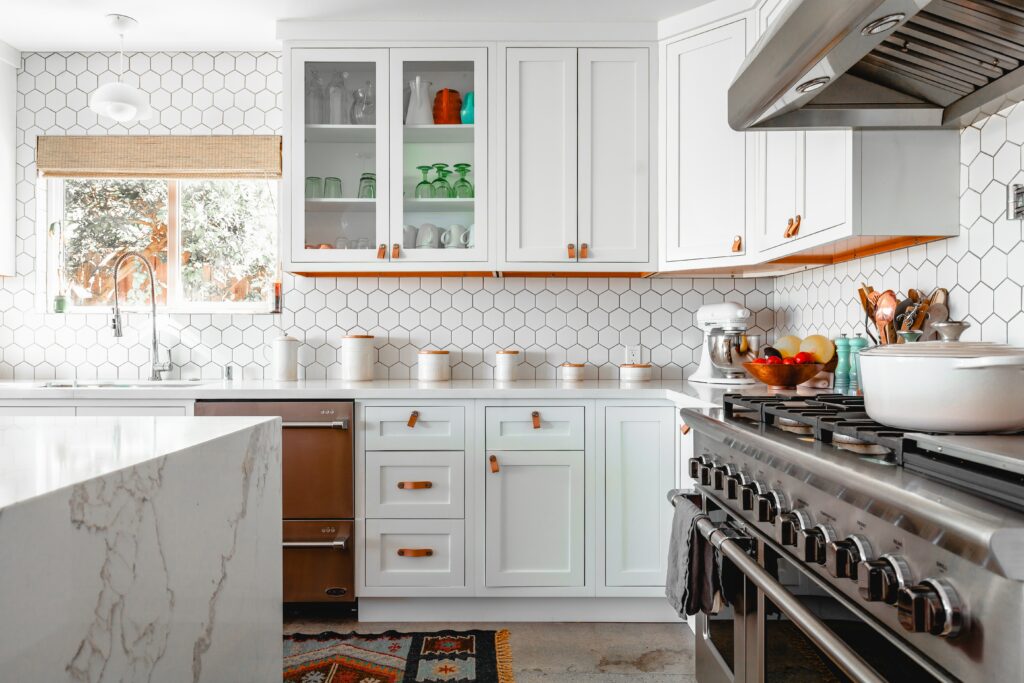
The interaction between cabinetry and surrounding surfaces greatly influences the overall kitchen design. White cabinets allow countertops and backsplashes to become focal points without overwhelming the space. Dark stone surfaces create a dramatic contrast, while light marble or quartz maintains a soft and cohesive appearance. Similarly, backsplashes can range from subtle neutral tiles to bold patterned designs, all while remaining balanced against the calm presence of white cabinetry. This flexibility makes it easier for homeowners to personalize their kitchens according to lifestyle and taste. With white kitchen cabinets as the foundation, the possibilities for customization feel nearly endless.
Maintenance and Practical Considerations
While some homeowners worry that white cabinetry may be difficult to maintain, modern finishes have made upkeep far more manageable than in the past. High-quality materials and protective coatings help resist stains, moisture, and everyday wear. Regular cleaning with gentle solutions is often sufficient to preserve the fresh appearance of the cabinets. Additionally, the light color makes it easier to spot spills or marks quickly, allowing for prompt cleaning before damage occurs. Over time, this attentiveness helps maintain the original beauty of white kitchen cabinets, ensuring they remain as inviting years later as they were on installation day.
Enhancing Home Value and Appeal
Kitchens play a central role in shaping a home’s overall value and buyer appeal. Real estate professionals frequently note that neutral, bright kitchens attract a wider range of potential buyers. White cabinetry contributes to this universal appeal by creating a clean and move-in-ready impression. Prospective homeowners can easily imagine their own style within the space, which increases emotional connection and perceived value. Even for those not planning to sell soon, choosing white kitchen cabinets provides reassurance that the design decision aligns with long-term investment goals rather than short-lived trends.
Adapting to Changing Trends Over Time
Interior design trends inevitably evolve, but white cabinetry offers a unique advantage by adapting rather than becoming obsolete. As color palettes, textures, and materials shift, the cabinets remain relevant by serving as a stable base. Hardware can be swapped, lighting updated, or accent colors refreshed without requiring a complete kitchen overhaul. This adaptability reduces renovation costs and allows homeowners to experiment with trends in a controlled and reversible way. By choosing white kitchen cabinets, homeowners gain flexibility that supports creativity while preserving consistency.
Psychological Impact of a White Kitchen
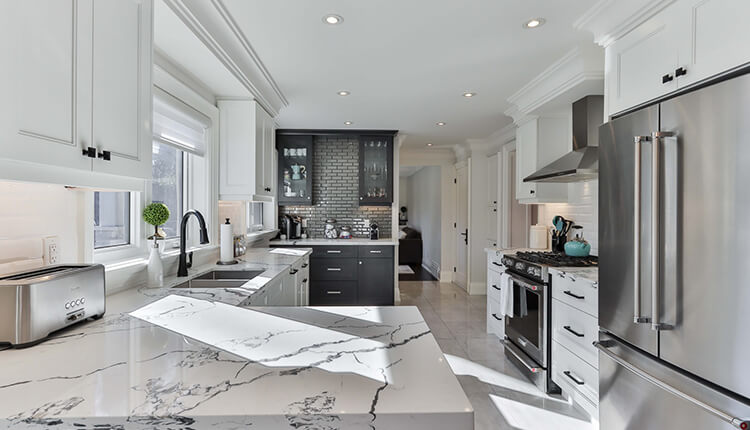
Color psychology suggests that white environments promote feelings of calm, clarity, and organization. In a kitchen, these qualities translate into a space that feels less chaotic and more enjoyable to use daily. Cooking, cleaning, and gathering become more pleasant when the environment feels orderly and light-filled. The psychological comfort provided by white cabinetry is subtle yet powerful, influencing how people interact with the space. Over time, this sense of ease contributes to a more positive relationship with the kitchen as the heart of the home.
Conclusion
White kitchen cabinets continue to stand as a symbol of timeless design, practical versatility, and emotional comfort within the home. Their ability to brighten spaces, adapt to various styles, and maintain relevance over time makes them a reliable choice for homeowners seeking both beauty and functionality. From enhancing natural light to supporting long-term value, these cabinets offer benefits that extend beyond appearance alone. When thoughtfully integrated into a kitchen design, white kitchen cabinets create a foundation that feels welcoming today and remains inspiring for years to come.
Read More:- Modern Roofing Guide for Durable and Energy Efficient Homes