What Is Interior Design Meaning, Scope, Styles, and Purpose

Introduction
Interior design is more than just picking out colors and arranging furniture. It is a thoughtful field that combines creativity, utility, psychology, and technical understanding to change how people feel in indoor places. People often want to know what is interior design so they can comprehend how homes, businesses, hotels, and public buildings can be turned into places that make people feel good, work well, and be productive. Interior design affects our daily lives in little but important ways, changing our mood, movement, and even conduct through the use of space, light, textures, and materials. As lives change and living in cities gets smaller, the job of interior design has grown from just decorating to a strategic field that combines looks with usefulness.
What Interior Design Really Means
Interior design is the art and science of making the inside of a building look and feel better for the people who use it. It helps to think of interior design as a way to solve problems. Designers look at what users require and then come up with spatial solutions. This includes making plans for the layout, choosing materials, combining colors, managing lighting, and making sure the place works well. Interior design is a complex field that goes beyond making things look nice. It is influenced by both creative vision and technical rules including construction codes, ergonomics, sustainability, and safety.
A Short History of Interior Design
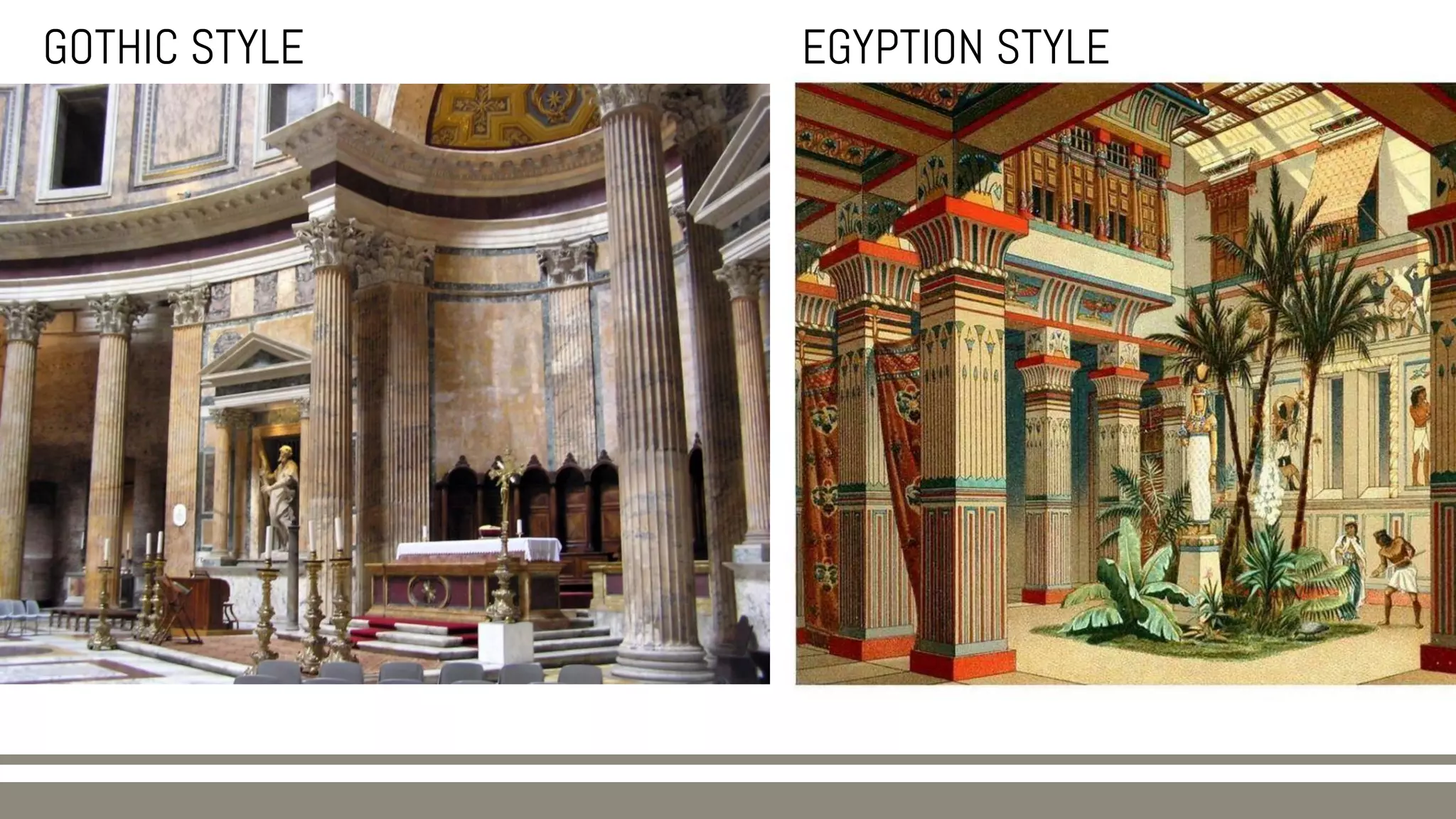
Interior design has its roots in ancient cultures, where the way rooms were decorated showed cultural values, social standing, and functional necessities. In ancient Egypt, murals, carved furniture, and colors that meant something were used to decorate the inside of homes. In Greece and Rome, the focus was on proportion, symmetry, and harmony in architecture. During the Renaissance, the inside of buildings became more elaborate, showing off their wealth and artistic talent. The late 1800s and early 1900s were when the current idea of what interior design is started to take shape. This was when industrialization brought about new materials and mass-produced furniture. Over time, interior design became its own field that included art, architecture, and design concepts that put people first.
Interior Design vs. Interior Decoration
Many people think that interior design and interior decoration are the same thing, but they are very different in terms of what they do and what they are responsible for. Interior décor is mostly about how things look in a room, like the furniture, materials, colors, and accessories. But interior design requires more planning and thought than that. When you look at what is interior design, you can see that designers typically work with structural elements, space planning, lighting design, acoustics, and even little changes to the building’s architecture. They think about how people move through a space, how light interacts with surfaces, and how the environment helps people do their daily tasks. This makes interior design a full-fledged field of study rather than just a way to make things look nice.
Important Rules for Interior Design
There are basic rules that guide interior design that assist make environments that are balanced and harmonious. Balance, proportion, rhythm, emphasis, contrast, and unity are some of these principles. To grasp what interior design is, you also need to know how these rules function together to make spaces that feel planned and connected. Balance keeps things visually stable, whether they are symmetrical or not. Proportion, on the other hand, has to do with how things relate to the space they take up. Repetition and variation produce rhythm, which makes things move visually. Emphasis, on the other hand, draws attention to important places, such feature walls or statement furniture. Unity brings all the parts together so that the environment feels whole instead of broken up.
How Space Planning Fits into Interior Design
Space planning is one of the most important parts of interior design since it decides how well a space works. Designers look at the space, the flow of traffic, and the needs of the users to come up with layouts that make the best use of the space without making it feel congested. Space planning is often the answer to the question, “what is interior design in practical terms?” because it has a direct impact on comfort and productivity. Smart space design takes into account where to put furniture, how people will move through the area, how much storage is needed, and how easy it will be to make adjustments in the future. Good space planning can turn even small or difficult areas into useful and welcoming places to be, whether they are in a home or a business.
How Important Color, Light, and Materials Are
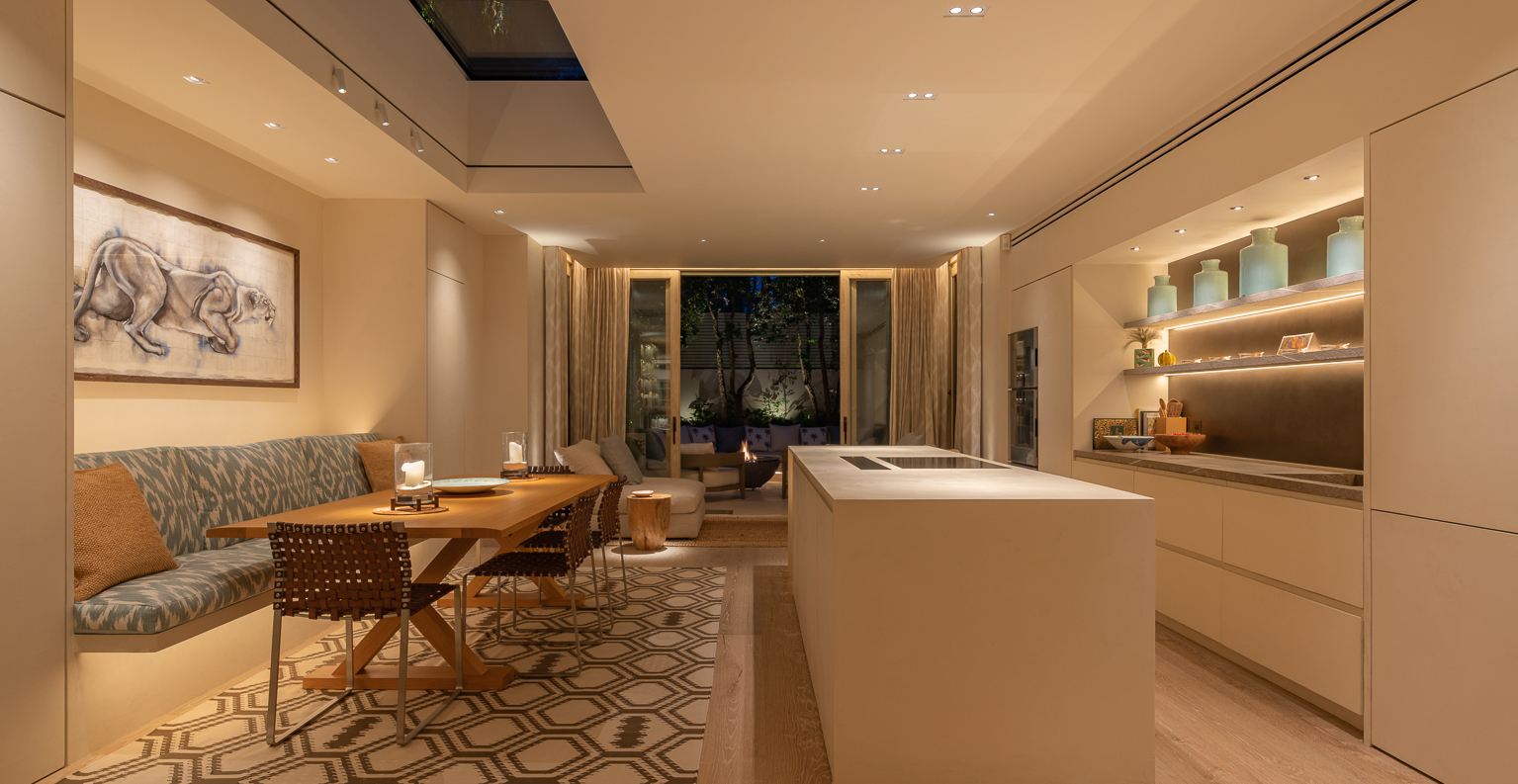
The color, lighting, and materials of a room are very important for setting the mood. Colors may change your attitude and how you see things. Depending on the color scheme, spaces can feel bigger, warmer, calmer, or more lively. Both natural and artificial light may change how well you can see, how nice the space seems, and even your health. Materials add texture, durability, and sensory experience. To properly appreciate what interior design is, you need to know how designers meticulously balance these parts to get the results they want. A well-designed room uses color to set the mood, lighting to make things more useful and beautiful, and materials to meet both aesthetic and practical needs.
Different Styles of Interior Design and How they affect Each Other
There are many various forms of interior design, each one influenced by diverse cultures, time eras, and personal tastes. Interior design can fit a wide range of interests, from modern and minimalist forms that focus on simplicity and clean lines to traditional and classical styles that are full of detail and decoration. To learn about interior design, you also need to know how styles change and mix over time. Contemporary design typically takes parts from many styles and puts them together to make homes that are unique and feel like home. No matter what design you choose, the goal is still the same: to make spaces that are useful, pleasant, and look good.
How the Interior Design Process Works
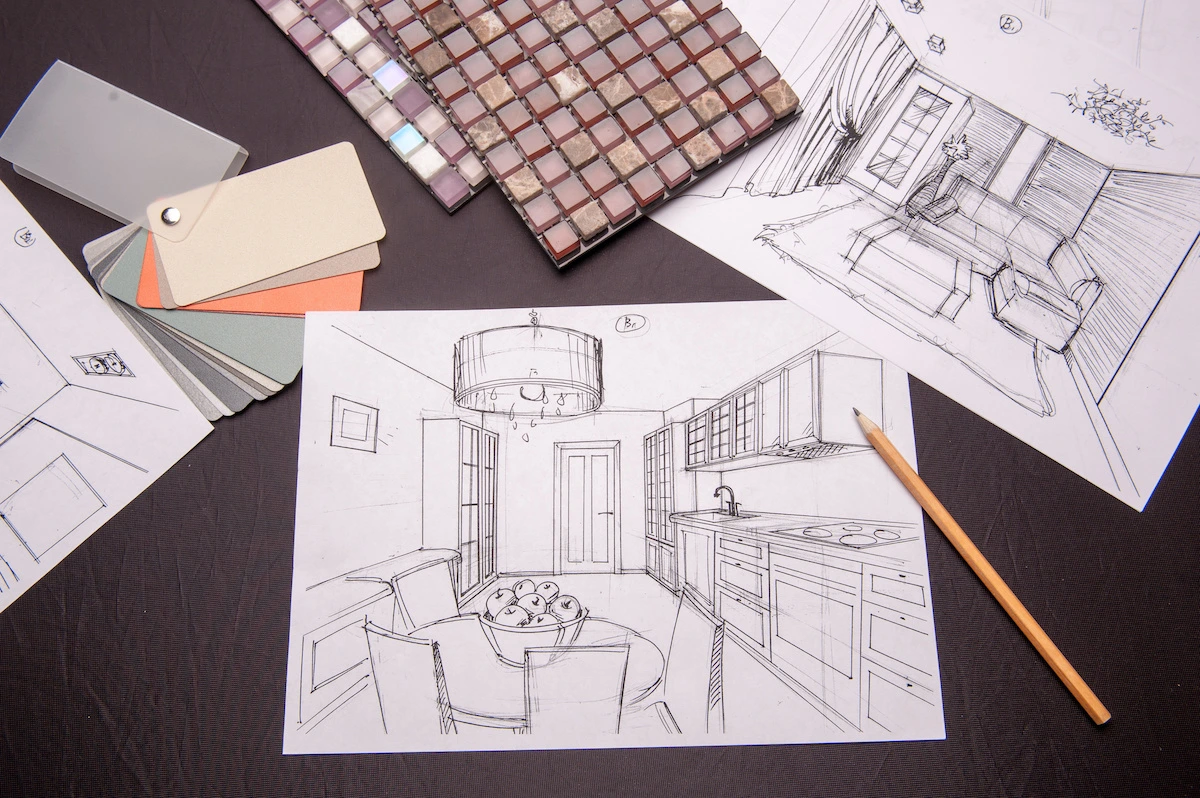
Understanding the client’s goals, wants, and budget is usually the first step in the interior design process. After that, designers come up with ideas, make layouts, and choose materials, furniture, and finishes. To make sure that ideas are obvious, this approach uses elaborate drawings, mood boards, and occasionally three-dimensional renderings. When looking at interior design as a job, the systematic process is very important since it makes sure that creative ideas are turned into useful solutions. The latter steps include working with contractors, watching the installation, and making changes to make sure the finished area fulfills the original vision and needs.
Designing the Inside of a Home
The goal of residential interior design is to make homes that are pleasant, useful, and look good for people and families. This comprises houses, flats, villas, and condos. To know what is interior design in a home setting, you need to know how your lifestyle, cultural habits, and emotional comfort affect design choices. When designing a home, designers think about how places like kitchens, bedrooms, and living rooms may help with daily tasks while also showing off the owner’s personality. When designing the inside of a home, designers frequently try to find a balance between beauty and usefulness. They make sure that rooms are easy to clean, flexible, and inviting.
Interior Design for Businesses and Corporations
Commercial interior design is about designing areas like offices, businesses, hotels, restaurants, and hospitals. These places need to put a lot of thought into how they work, how they look, and how people utilize them. When talking about what is interior design in businesses, the focus is on safety, efficiency, and making customers or employees happy. Designers need to think about things like workflow, accessibility, sound, and durability while making sure the inside matches the company’s identity. Well-planned commercial interiors may boost productivity, improve how people see your brand, and make experiences that people will remember.
How Interior Design Affects Your Mind

The way a room is designed can have a big effect on how people feel and act in it. Colors, lighting, space arrangement, and textures may all affect how you feel, how stressed you are, and how healthy you are overall. To comprehend what interior design is beyond looks, you need to know how it affects how people feel. Calm, well-lit rooms can help people relax, while lively, colorful spaces can help people be creative and make friends. Designers often use ideas from environmental psychology to make places that are good for mental and emotional wellness.
Sustainability and Interior Design
Sustainability is now a very important part of modern home design. To lessen their impact on the environment, designers are using more eco-friendly materials, energy-efficient lighting, and long-lasting methods. Sustainability is a big part of what people think of when they think about interior design today. The goal of sustainable interior design is to make indoor spaces that are good for your health while using as few resources and producing as little waste as possible. This method is good for the globe and makes the air inside better and the people who live there more comfortable in the long term.
Technology and New Ideas in Interior Design
New tools and possibilities have come to the field of interior design because to advances in technology. Designers can see and change environments more accurately because to digital design tools, virtual reality, and smart home technology. To know what modern interior design is, you need to know how technology may help you be more creative and productive. Smart lighting, controlled climate management, and built-in multimedia systems are becoming prevalent in modern homes. They make life easier and give each person a unique experience.
Working as an Interior Designer
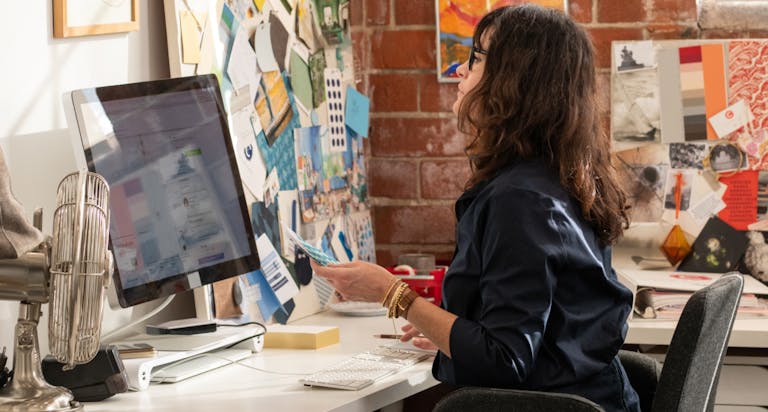
Interior design is a fun job that lets you use both your creativity and your technical skills. People who work in this field work in homes, businesses, and specialized areas, and they work with architects, engineers, and clients. It’s crucial to think about the education, abilities, and experience needed to work in interior design as a profession. Designers need to know about design theory, materials, building codes, and project management. They also need to keep up with new ideas and trends. The job lets you be creative and make a real difference in how people live and work.
What Will Happen to Interior Design in the Future
Changing lifestyles, new technologies, and a rising focus on health and sustainability are all shaping the future of interior design. More and more people are liking biophilic design aspects that connect the inside of a home with nature, as well as flexible spaces and furniture that can be used for more than one thing. Thinking about what is interior design will be like in the years to come shows that it is a field that is always changing while still keeping its fundamental goal. Interior design will always be important for making spaces that meet people’s needs, adapt to changes in culture, and take care of the environment.
Conclusion
Interior design is a changing and powerful field that affects how people use the rooms they live in. It brings together art, science, and human-centered thinking to make spaces that are both useful and inspiring, from its historical roots to its present uses. Knowing what is interior design will help you grasp how it affects comfort, productivity, and mental health. Interior design is very important for improving quality of life and showing the values of the people who live in those spaces, whether they be homes, businesses, or public areas.
Read More:- Art Deco Interior Design: Timeless Glamour, Luxury, and Style