Wainscotting Design Guide for Timeless Interior Wall Style

:max_bytes(150000):strip_icc()/CPxJenniYolo_TulipTickingStripe_TonalTan-36cf115f9d74452885418e45c702362e.JPG "wainscotting")
Introduction
Wainscotting is one of those things that can change a room without making it too busy. It adds depth, character, and architectural interest to walls that are otherwise simple. This wall treatment has been popular for hundreds of years since it is based on traditional workmanship but can be used in any modern setting. People who own homes and designers use wainscotting not only because it looks nice, but also because it may define space, protect walls, and make a room feel better overall. It adds a feeling of purpose and style that paint alone can’t always give, whether it’s in a formal dining room, a comfortable hallway, or a modern living room.
Wainscotting is a type of paneling that is put on the bottom of a wall. However, current uses often go beyond the traditional height constraints. Its versatility is what makes it so enticing; it can work with traditional, transitional, or minimalist environments, depending on how you design it. Because it may change, it has gone from being just a useful feature to a statement of style and craftsmanship. This makes it a popular among people who want timeless interior solutions.
Historical Roots and Importance in Architecture
Wainscotting has been around for hundreds of years. It was first used as a practical way to protect walls from moisture and deterioration in dwellings made of stone. Early specimens were generally made of oak or other strong woods and put in large European residences and public buildings. As time went on, it became linked to class and style since the wood quality and detailed work showed riches and taste.
The design and use of wainscotting changed as architectural styles changed. It got fancier during the Georgian and Victorian eras, with raised panels and elaborate moldings that made symmetry and proportion stand out. Later movements, on the other hand, preferred simpler lines and cleaner profiles, modifying the idea to fit changing tastes. Even though these changes have happened, its architectural importance has stayed the same. It is a visual anchor that gives a room a sense of stability and adds a touch of class.
Different Styles of Wainscotting
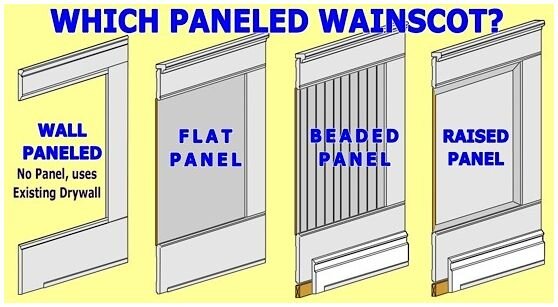
One of the best things about wainscotting is that there are so many different styles to choose from, each with its own look and feel. Raised panel designs are some of the most traditional. They have panels that are three-dimensional and have a lot of detail. These are commonly used in formal places like studies or dining rooms where people want to feel great.
Flat panel or recessed types have a more subtle look, which makes them perfect for modern or transitional spaces. They add texture without drawing too much attention because they have clear lines and a little depth. Another popular choice is beadboard, which has tiny vertical planks that provide a space a relaxed and welcoming feel. You may find it in cottages, kitchens, and bathrooms. Each type has its own personality, so homeowners may pick a design that fits with their entire concept.
Common Materials Used for Wainscotting
The material you choose is very important for how wainscotting looks and how long it lasts. People still like traditional wood because it looks and feels real, and it adds warmth and richness that is hard to copy. Hardwoods last longer and feel better, but softer woods are often less expensive and easier to work with.
Engineered materials like medium-density fiberboard are becoming more common in current applications because they are cheap and consistent. These materials are great for a lot of different places since they let you get quite detailed and are less likely to distort. Choosing the right material generally relies on the room’s purpose, how much moisture is in the air, and how you want it to look. However, each option adds to the adaptability that makes this wall treatment so appealing.
The Heights and Proportions of Wainscotting
When adding wainscotting to a room, it’s important to get the proportions right because the height of the panels can change the room’s visual equilibrium a lot. In the past, it covered the bottom third of the wall, keeping it safe while still letting in light from above. In modern homes, designers often try out taller installations that go halfway up the wall or even higher. This makes a powerful and dramatic statement.
When choose the proper height, you need to think about the height of the ceiling, the size of the room, and the overall design. Higher panels can make a room feel more formal and organized, while lower panels keep the room open. When designed carefully, the proportions improve the harmony of the architecture and help the interior design scheme come together.
Choosing Colors and Finishing Techniques
Color is very important in giving wainscotting its personality. Classic white or off-white finishes never go out of style. They give a room a clean, crisp look that goes with many different wall colors and furniture styles. These neutral colors bring off the paneling’s texture and craftsmanship without making the room feel too busy.
If you want a more modern or dramatic look, you can use darker colors and bold colors to make things stand out and look deeper. Deep blues, deep greens, and even charcoal tones are popular choices now, especially in dining rooms and entryways. The finish, whether it’s matte, satin, or gloss, also affects the entire design, letting homeowners customize it to fit their own style.
Using Wainscotting in Various Rooms

Wainscotting looks great in any room, and each one benefits from its own special features. It makes dining rooms more formal and elegant, making them a nice place for gatherings and special events. Adding texture and visual appeal to living spaces is a good idea, especially when you use furniture and paintings that go well together.
This wall treatment makes hallways and staircases more durable and helps the architecture flow better throughout the house. You may also use it in bedrooms to make them feel snug and sophisticated, especially behind headboards or on accent walls. The option to change the style and size makes sure that it improves each space without feeling like it does the same thing over and over again.
New Ways of Looking at Things and Design Trends
Wainscoting has a long history, but it has easily adapted to new design ideas. Minimalist interpretations emphasize clean lines and understated contours, harmonizing effortlessly with modern surroundings. Designers often try out unusual layouts, like paneling that goes from floor to ceiling or geometric patterns, to make a space look new and different.
Another trend is to blend materials and finishes, like putting painted panels with natural wood accents or textured wallpapers above them. These inventive ideas show that wainscotting is still changing and may be used in more than just traditional or formal situations. Instead, it is a flexible design tool that may be used in many different ways.
Things to Think About When Installing and Craftsmanship
To get a clean and professional look, you need to install it correctly. The paneling will improve the area, not make it worse, if you take accurate measurements, make sure everything is level, and pay attention to the small things. Some homeowners choose to do it themselves, but hiring a professional usually means cleaner lines and longer-lasting results.
Preparing the wall surface, attaching the panels or frames, and then painting or staining are usually the steps in the procedure. Moldings and trim pieces give the design definition and finish it off, showing off the architect’s vision. When done well, wainscoting becomes a part of the home’s structure instead of just something extra.
Care and Longevity
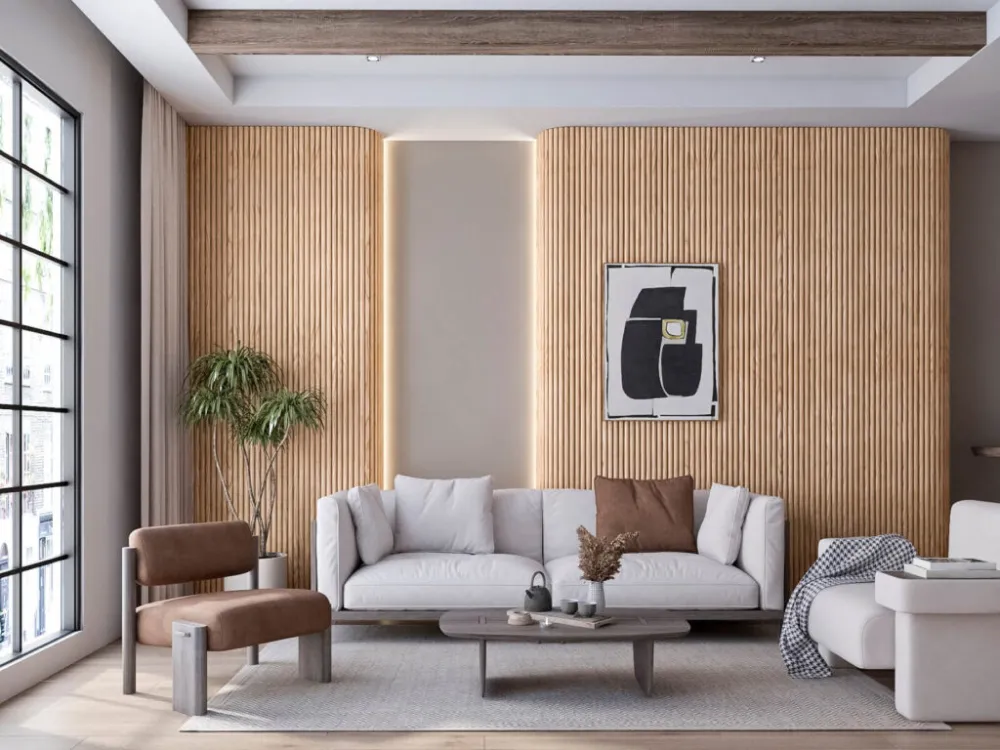
One of the useful benefits of wainscotting is that it lasts a long time and is easy to care for. Painted surfaces are easy to clean and touch up, which makes them great for locations with a lot of foot activity. Wood finishes may need to be polished or refinished from time to time, but they get better with age and often develop character over time.
Taking care of the paneling on a regular basis will keep it looking good and strong for years to come. This lengthy life makes it a good long-term investment because it adds value and timeless elegance to a home.
Making the Property More Valuable and Attractive
Wainscotting can provide architectural interest and perceived quality to a property, which can increase its total value. Buyers frequently see it as a high-end feature because of the care and attention to detail that went into it. Because it never goes out of style, it doesn’t feel old-fashioned too often, which makes it a safe and attractive choice for long-term design planning.
It improves the entire experience of the interior by giving it a sense of cohesiveness and elegance. Anyone who enters the space will remember it for a long time. This small but important change may make a home stand out in both looks and feelings.
In conclusion,
Wainscotting is still popular with designers and homeowners because it looks good and works well. Its long history, capacity to adapt, and aesthetic flexibility make it a great choice for anyone who want to add depth and character to their homes. It is still a tribute to the strength of careful architectural detail, whether it is used in its original form or given a new look through modern design.
Homeowners may add wainscotting to their homes with confidence if they know its styles, materials, and uses. This will make their homes feel intentional, elegant, and long-lasting. This traditional wall treatment is a reminder that great design quality never goes out of style, even in a world where trends change all the time.
Read More:- Best Dyson Air Purifier Guide for Clean, Healthy Indoor Living