Mini Split AC Systems Explained for Modern Home Cooling


Introduction
A mini split ac system is a modern cooling and heating solution designed to provide comfort without the need for extensive ductwork. As homes become more energy conscious and design focused, homeowners are increasingly drawn to systems that offer flexibility, efficiency, and quiet operation. This type of air conditioning system consists of an outdoor compressor and one or more indoor air handling units connected through refrigerant lines. Because it does not rely on ducts, it reduces energy losses and allows targeted temperature control for specific areas of a home. Over time, this technology has evolved from being a niche solution into a mainstream choice for residential and light commercial spaces, especially in properties where traditional HVAC systems are impractical or inefficient.
How a Mini Split AC Works
Understanding how a mini split ac operates helps clarify why it is so efficient compared to conventional systems. The system works by transferring heat rather than generating it. The outdoor unit houses the compressor and condenser, which are responsible for moving refrigerant through the system. The indoor unit absorbs heat from the room air and transfers it to the refrigerant, which then travels outside to release that heat. In cooling mode, warm indoor air is removed and replaced with cooled air, while in heating mode the process is reversed. Because the system avoids ductwork, there is minimal energy loss during air distribution, which is one of the main reasons these systems are known for high efficiency and consistent performance.
Evolution and Growing Popularity of Mini Split Systems
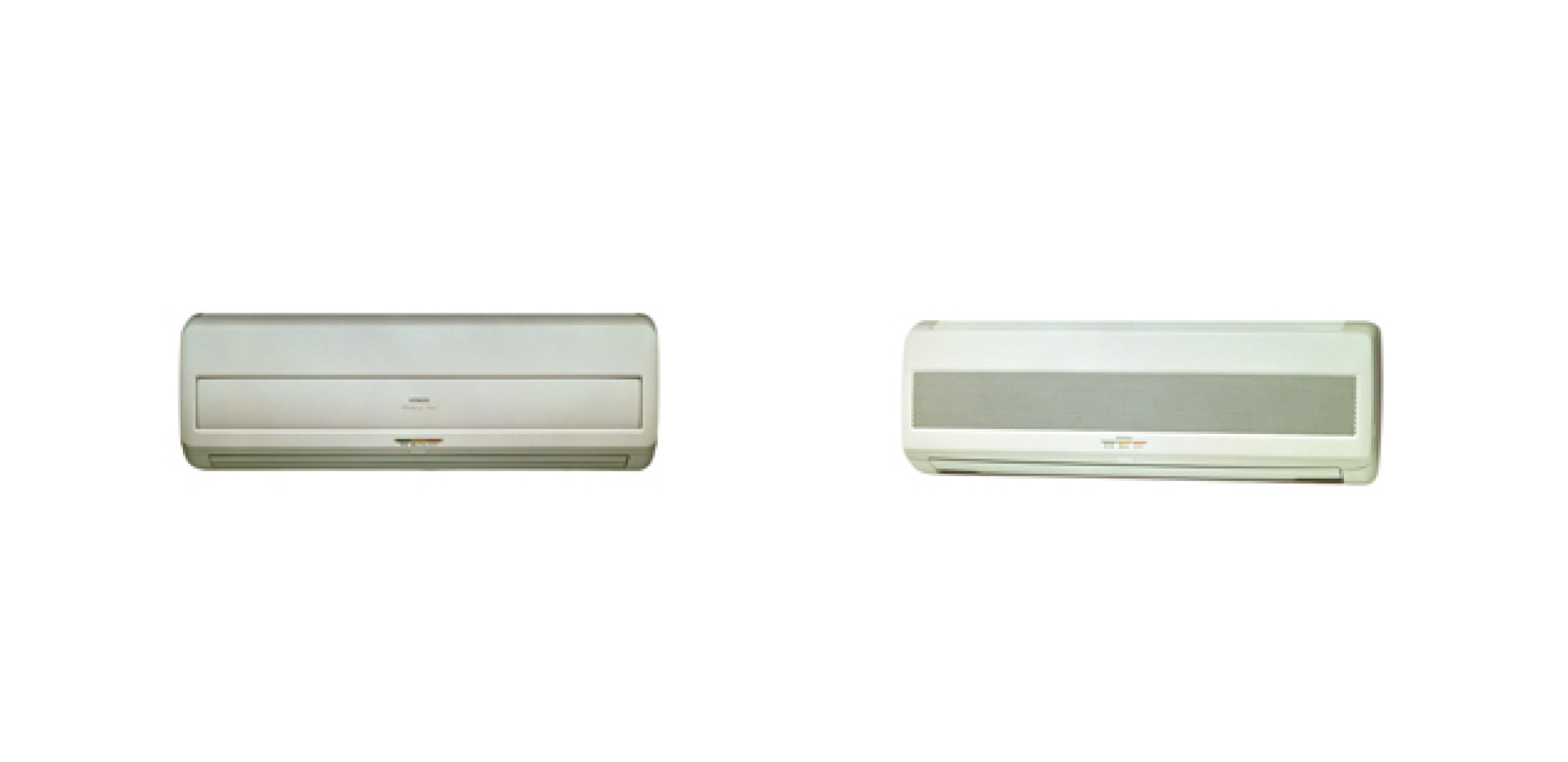
The concept behind ductless air conditioning has existed for decades, but advancements in inverter technology and smart controls have significantly improved performance. Early versions were primarily used in small apartments or commercial spaces, but modern designs now support multi-zone setups capable of conditioning entire homes. The rise in popularity can be attributed to increasing energy costs, a greater emphasis on sustainability, and the desire for customizable indoor comfort. A mini split ac fits well into these trends because it allows homeowners to cool or heat only the rooms they use most, reducing unnecessary energy consumption and improving overall comfort.
Key Components and Design Features
Every mini split ac system is built around a few essential components that work together seamlessly. The outdoor unit is typically compact and designed to withstand weather conditions while operating quietly. The indoor unit can be wall mounted, ceiling mounted, or even floor mounted depending on room layout and aesthetic preferences. Refrigerant lines connect these units through a small opening in the wall, making installation less invasive than traditional systems. Many modern systems also include advanced filters, variable speed compressors, and smart thermostats that adapt to usage patterns. These features contribute to better air quality, lower noise levels, and more precise temperature control.
Energy Efficiency and Environmental Impact
One of the most compelling reasons homeowners choose a mini split ac is its exceptional energy efficiency. These systems often use inverter-driven compressors that adjust speed based on demand rather than cycling on and off repeatedly. This results in lower electricity consumption and more stable indoor temperatures. Additionally, the absence of ductwork eliminates losses that can account for a significant portion of energy waste in traditional systems. From an environmental perspective, higher efficiency translates to reduced carbon emissions, making this type of system a more sustainable choice. Many units are designed to work with eco-friendly refrigerants, further reducing their environmental footprint.
Comfort and Zoning Capabilities
Comfort is not just about temperature but also about control. A mini split ac excels in providing individualized comfort through zoning. Each indoor unit operates independently, allowing different rooms to be set at different temperatures. This is particularly beneficial in households with varying comfort preferences or rooms that receive different amounts of sunlight. Zoning also means that unused rooms do not need to be conditioned, which saves energy and reduces wear on the system. The result is a more personalized living environment where comfort and efficiency coexist seamlessly.
Installation Process and Considerations
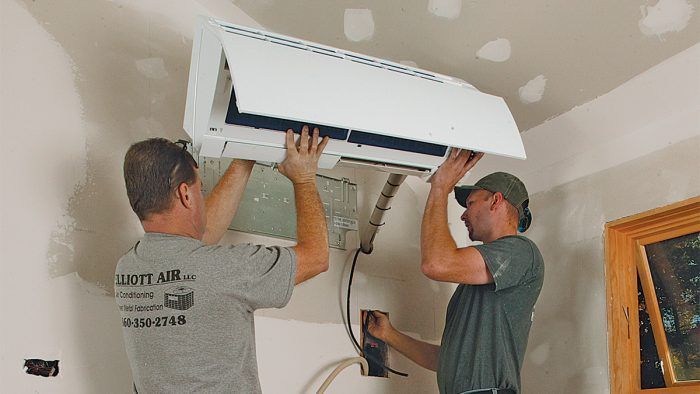
Installing a mini split ac system is generally faster and less disruptive than installing a central air conditioning system. Because it does not require ductwork, installers only need to create a small opening for the refrigerant lines and electrical connections. However, proper sizing and placement are critical to ensure optimal performance. Factors such as room size, insulation quality, and climate conditions must be evaluated before installation. Professional installation is strongly recommended, as incorrect setup can lead to reduced efficiency and shortened system lifespan. When installed correctly, the system integrates smoothly into the home with minimal visual impact.
Cost Factors and Long-Term Value
The initial cost of a mini split ac system can be higher than that of window units or basic split systems, but it often proves cost effective in the long run. Upfront expenses include equipment, installation, and any necessary electrical upgrades. However, the long-term savings from reduced energy bills and lower maintenance requirements can offset the initial investment. Additionally, the ability to heat and cool efficiently throughout the year adds value to the property. Homeowners often find that the comfort, efficiency, and durability of the system justify the cost over time.
Maintenance and Longevity
Proper maintenance plays a crucial role in the longevity and performance of a mini split ac. Regular cleaning of filters, inspection of refrigerant lines, and periodic professional servicing help keep the system running efficiently. Unlike ducted systems, there are no ducts to clean, which simplifies maintenance and reduces associated costs. When well maintained, these systems can last many years while maintaining consistent performance. The durability of modern components and the use of advanced technology contribute to a longer service life compared to many traditional cooling options.
Noise Levels and Indoor Air Quality
Another advantage of a mini split ac is its quiet operation. The loudest components are located outside, while the indoor units operate at very low noise levels. This makes them ideal for bedrooms, offices, and living spaces where noise can be disruptive. In addition to quiet performance, many systems include multi-stage filtration that helps remove dust, allergens, and other airborne particles. Improved indoor air quality contributes to a healthier living environment and enhances overall comfort for occupants.
Suitability for Different Types of Homes
A mini split ac is particularly well suited for homes without existing ductwork, such as older houses, apartments, and additions. It is also an excellent option for new constructions where homeowners want a flexible and efficient climate control solution. Even in larger homes, multi-zone systems can effectively replace or supplement traditional HVAC setups. The adaptability of these systems allows them to be customized to various layouts and design preferences, making them a versatile choice across a wide range of residential applications.
Smart Technology and Modern Controls
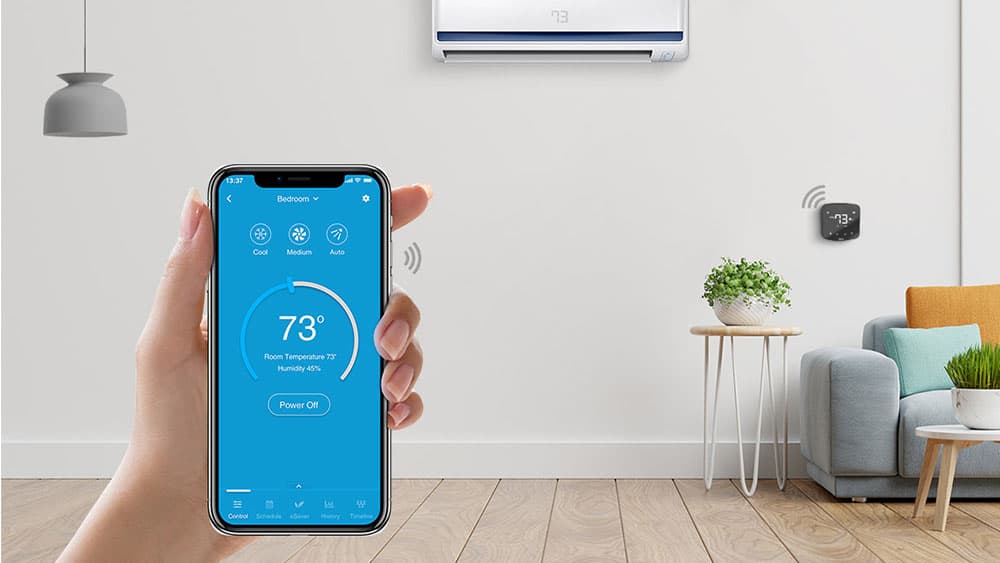
Modern mini split ac systems often integrate with smart home technology, allowing users to control temperature settings through mobile apps or voice commands. These features enable scheduling, remote adjustments, and energy monitoring, which enhance convenience and efficiency. Smart sensors can detect occupancy and adjust settings automatically, reducing energy usage when rooms are empty. As smart home ecosystems continue to evolve, these systems are becoming an integral part of connected living, offering both comfort and control at the user’s fingertips.
Comparison with Traditional Cooling Systems
When compared to traditional central air conditioning systems, a mini split ac offers several distinct advantages. The absence of ducts reduces energy loss and installation complexity. Zoning capabilities provide greater control and efficiency, while quieter operation improves comfort. Although central systems may still be suitable for some applications, especially in large homes with existing ductwork, ductless systems often outperform them in terms of efficiency and flexibility. This comparison highlights why many homeowners are transitioning to ductless solutions as a modern alternative.
Future Trends in Mini Split Technology
The future of mini split ac technology looks promising as manufacturers continue to innovate. Improvements in compressor efficiency, refrigerant technology, and smart integration are expected to further enhance performance and sustainability. As energy standards become more stringent and consumer awareness grows, demand for efficient and adaptable cooling solutions will likely increase. These systems are well positioned to meet future needs by offering a balance of comfort, efficiency, and environmental responsibility.
Conclusion
Choosing the right cooling system is an important decision that affects comfort, energy consumption, and long-term costs. A mini split ac stands out as a reliable and efficient solution that meets the demands of modern living. With its ductless design, energy efficiency, zoning capabilities, and advanced technology, it offers a compelling alternative to traditional air conditioning systems. As homeowners continue to prioritize comfort, sustainability, and control, this type of system is likely to remain a popular and practical choice for years to come.
Read More:- Home AC Installation Guide for Efficient Cooling and Comfort