Interior Design Styles Guide for Timeless and Modern Homes

Introduction
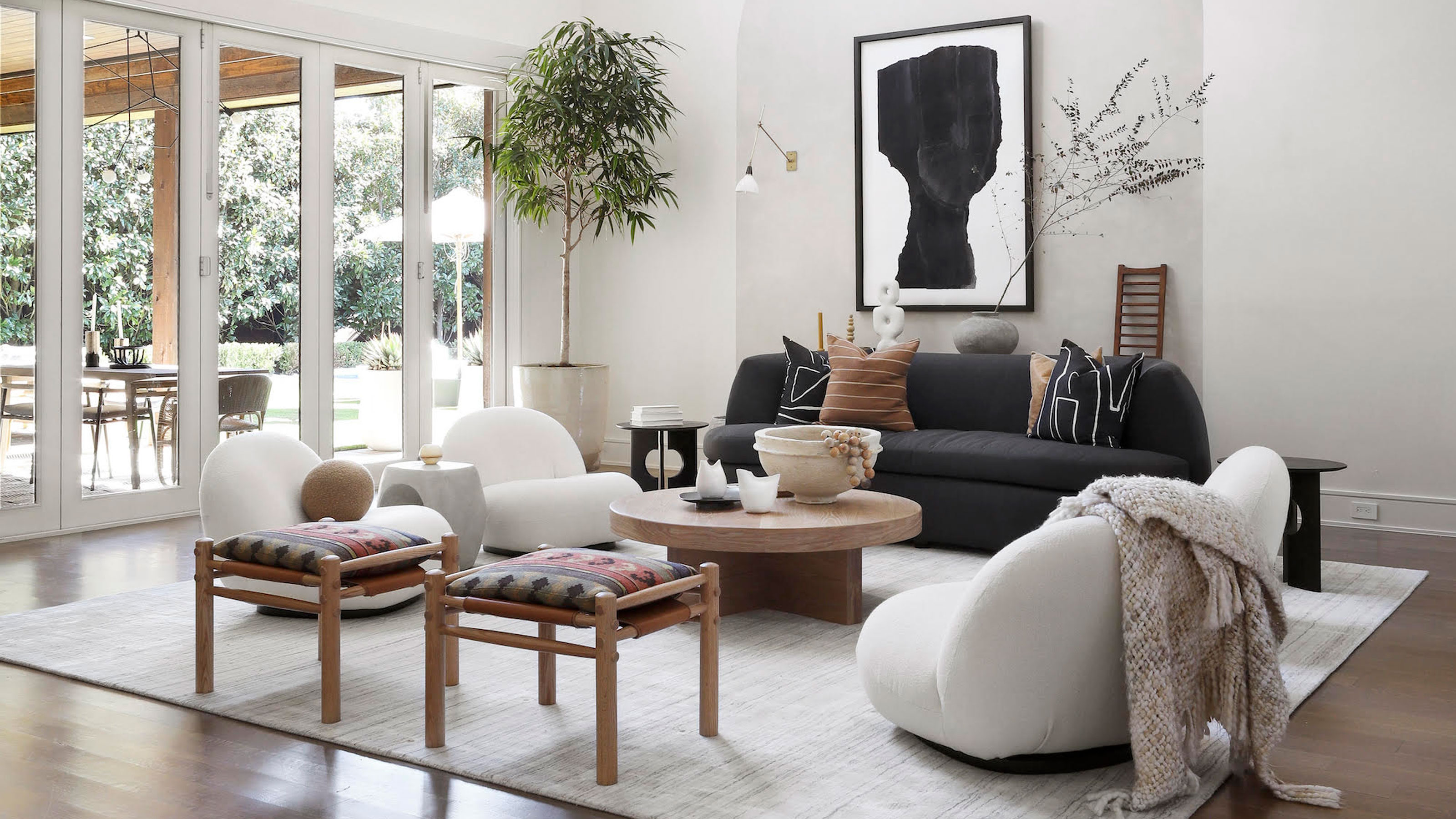
Interior design styles affect how we feel about our homes, as well as how they seem, work, and show off our personalities. Over time, homes have changed from simple shelters to places where culture, comfort, and aesthetics come together. Homeowners, designers, and fans may make smart choices that fit their needs and tastes by learning about different forms of interior design. Every style has its own tale to tell, from old-fashioned customs that have stood the test of time to new ideas that are based on how people live today. This book looks at the most important interior design styles, where they came from, what makes them unique, and how they may be used in modern homes without losing their character.
Classic Interior Design and Why It Still Works
European traditions have a lot to do with classic design, which is noted for its sense of order, symmetry, and refinement. This style is frequently based on Greek and Roman architecture, which was improved throughout time by French and English styles. Interiors like these focus on balance, proportion, and a sense of style that doesn’t feel rushed or trendy. The rich wood tones, elaborate moldings, and carefully chosen furniture all work together to make a space that seems luxurious but calm. Classic design is appealing because it lasts and doesn’t follow short-lived trends. Instead, it concentrates on things that get better with age. People who like legacy, craftsmanship, and a formal but friendly space frequently choose classic interiors over other types.
The Philosophy of Simplicity in Modern Interior Design

Modern design came forth in the early 1900s as a reaction to industrialization and a need for simplicity. It puts clean lines, wide spaces, and less superfluous decoration first. People often employ materials like glass, steel, and concrete to show off structure and function. Most of the time, color palettes are neutral, which lets shape and light take center stage. Modern furniture is frequently streamlined and functional, made to meet certain demands without going overboard. This way of thinking is part of a larger philosophy of living with purpose, which is why modern interiors are great for city living. When talking about interior design styles, modern design stands out since it is clear, simple, and always relevant.
Modern Interior Design and Trends That Change All the Time
People often mix up modern with contemporary design, however contemporary design is what is current, not a set historical style. This style is always changing, adding new materials, technologies, and cultural influences. Modern interiors generally mix several styles, which makes the rooms feel new and alive. People often use bright accents with neutral colors to make things stand out and look interesting. Flexibility is a key feature that makes it easy for homeowners to adapt their homes as their tastes change. Contemporary design is a style that appeals to people who want to stay up to date with current trends while yet looking polished and put together.
Minimalist Home Design and Living with Purpose
Minimalism is more than just a way to look at things; it’s a way of living that emphasizes clarity and purpose. Minimalist interiors are based on Japanese aesthetics and modernist ideas. They focus on getting rid of clutter and highlighting the most important parts. Open layouts, simple shapes, and a small number of colors, mostly whites, grays, and natural tones, are common in spaces. Every object has a purpose for being there, which helps create a sense of serenity and harmony. This method helps people be more aware of their surroundings and makes the world a more peaceful place to live. Minimalism is a popular choice for people who want their homes to be simple, organized, and clear in their minds.
Scandinavian Style and Comfortable Functionality
Scandinavian style came from Nordic areas, where long winters and short days made bright, useful rooms necessary. This design focuses on soft colors, natural materials, and layouts that make things more comfortable. Wood is a big part of the design, and it’s commonly used with soft fabrics to make it feel cozy. Scandinavian designs find a balance between beauty and usefulness. Every piece has a purpose and adds to the overall look of the room. Its focus on sustainability and craftsmanship makes it more appealing around the world. Scandinavian design is one of the most accessible kinds of interior design. It is perfect for making places that are both modern and classic.
Urban Character and Industrial Interior Design
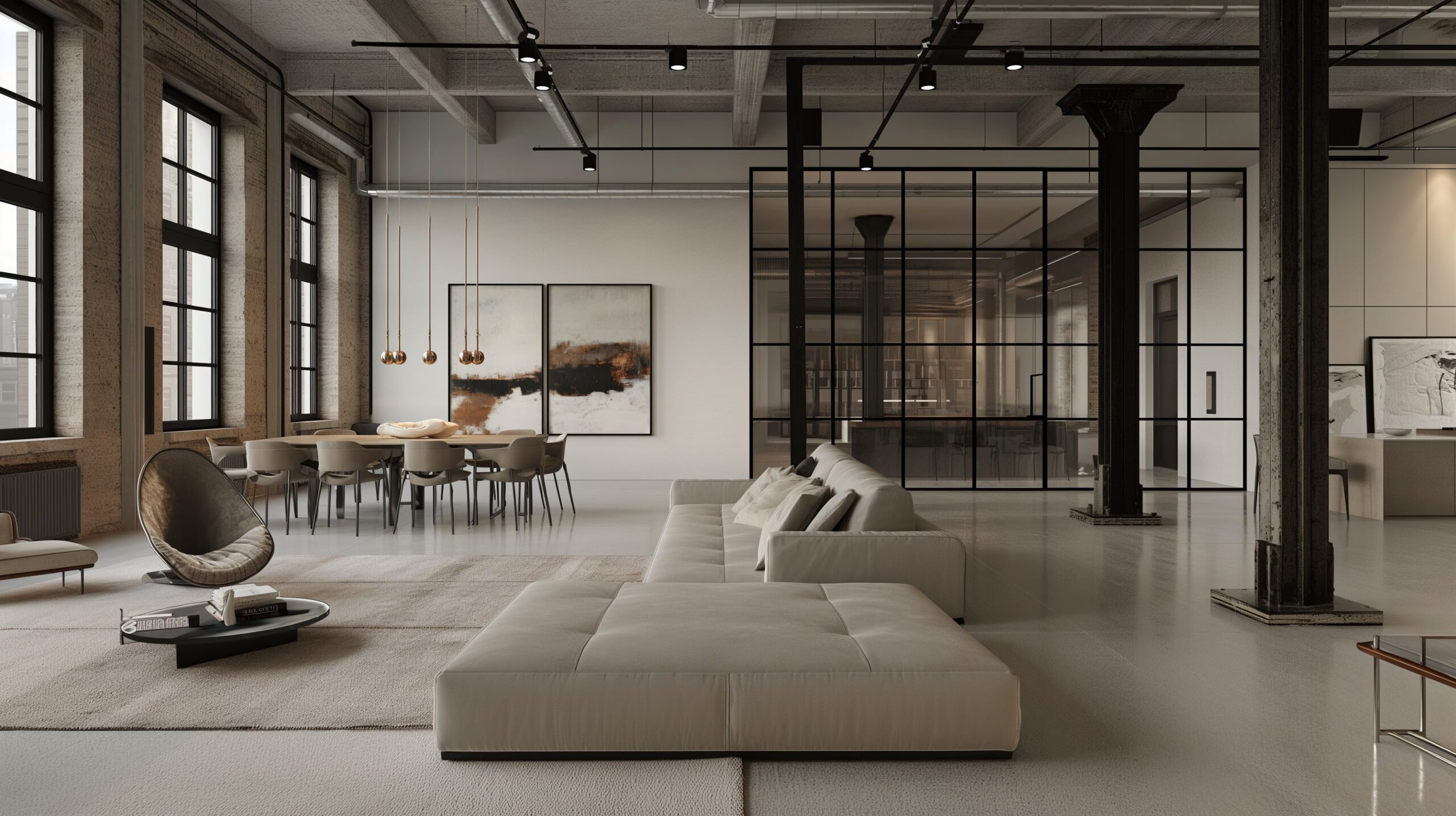
Industrial design takes ideas from ancient factories and warehouses and celebrates raw materials and unpolished surfaces. This style is characterized by things like exposed brick walls, visible pipes, and concrete floors. Industrial interiors don’t hide structural parts; instead, they make them stand out as design statements. A lot of furniture is made of both metal and wood, which adds to the feeling of raw authenticity. This style became popular in urban lofts and has since been adopted for homes that want a bold, unique appeal. Industrial design is a interior design styles that appeals to people who like honest materials and robust architecture.
Cultural Heritage and Traditional Interior Design
Traditional design shows the skills and traditions of certain areas, which are often passed down from one generation to the next. It stresses comfort, familiarity, and a sense of the past. Most of the time, the furniture is classic in shape, with rich materials, intricate patterns, and warm colors. Things like art, rugs, and family treasures that are decorative give a room richness and personality. Traditional interiors give you a sense of continuity by linking the past to the present. Traditional design is still popular in interior design styles because it makes people feel at home and is always beautiful, especially in family houses.
Transitional Interior Design and Balanced Elegance
Transitional design combines the finest of both traditional and modern styles. It mixes historical shapes with modern minimalism to make environments that seem both new and familiar. Neutral colors create a tranquil background, and textures and small differences make it more interesting. Furniture usually has clean lines that are softened by soft upholstery. This style can be changed to fit a lot of different homes and interests. People that want balance, versatility, and understated refinement frequently choose transitional design as their interior design styles.
Bohemian Style and Creative Expression
Bohemian design is based on artistic freedom and being unique. It celebrates a blend of cultures, patterns, and textures. This design doesn’t follow precise guidelines, thus spaces can change naturally over time. The room is bright and relaxing thanks to the rich colors, layered fabrics, and mix of design items. Bohemian interiors frequently have handcrafted things and things from other countries, which shows a love of travel and creativity. The end result is a room that feels unique and expressive instead of planned. Bohemian design is one of the most free-spirited kinds of interior design. It invites people to express themselves and feel like they are on an adventure in their own house.
Natural Warmth & Rustic Interior Design
Rustic design is based on the beauty of nature and life in the country. It uses natural elements like wood, stone, and leather to make rooms that seem real and grounded. Earthy colors and handmade items make the space feel warm and inviting. Rustic interiors often show off flaws, which adds to the character and history of the materials. This style is quite popular in homes in the country and mountain retreats, but it may also be used in cities that want to feel warm. Rustic design is unique among interior design trends since it focuses on comfort and is linked to nature.
Coastal Interior Design & Living in Peace
Coastal design brings a sense of openness and light into the home by reflecting the calmness of beach places. The colors are mostly soft blues, whites, and sandy neutrals, which remind you of the coast’s natural surroundings. Natural fibers and light wood finishes make the space feel more open, while basic furniture keeps the mood casual. Coastal interiors focus on comfort and ease, which makes them great for producing places that are stress-free. Coastal design is a type of interior design that appeals to people who want peace and a strong connection to nature.
Harmonized Diversity and Eclectic Interior Design
Eclectic design takes parts from several styles and puts them together to make a space that is both harmonious and varied. Balance and intention are the keys to making eclectic rooms work. You need to make sure that different elements go together instead of clashing. Colors, textures, and patterns are carefully layered to make things look interesting. This style lets homeowners show off their unique findings and personal collections. Eclectic rooms feel alive and active, showing off the lives and experiences of the people who live there. Eclectic design is one of the forms of interior design that lets you try new things while keeping everything in harmony.
Picking the Best Interior Design Style for Your Home
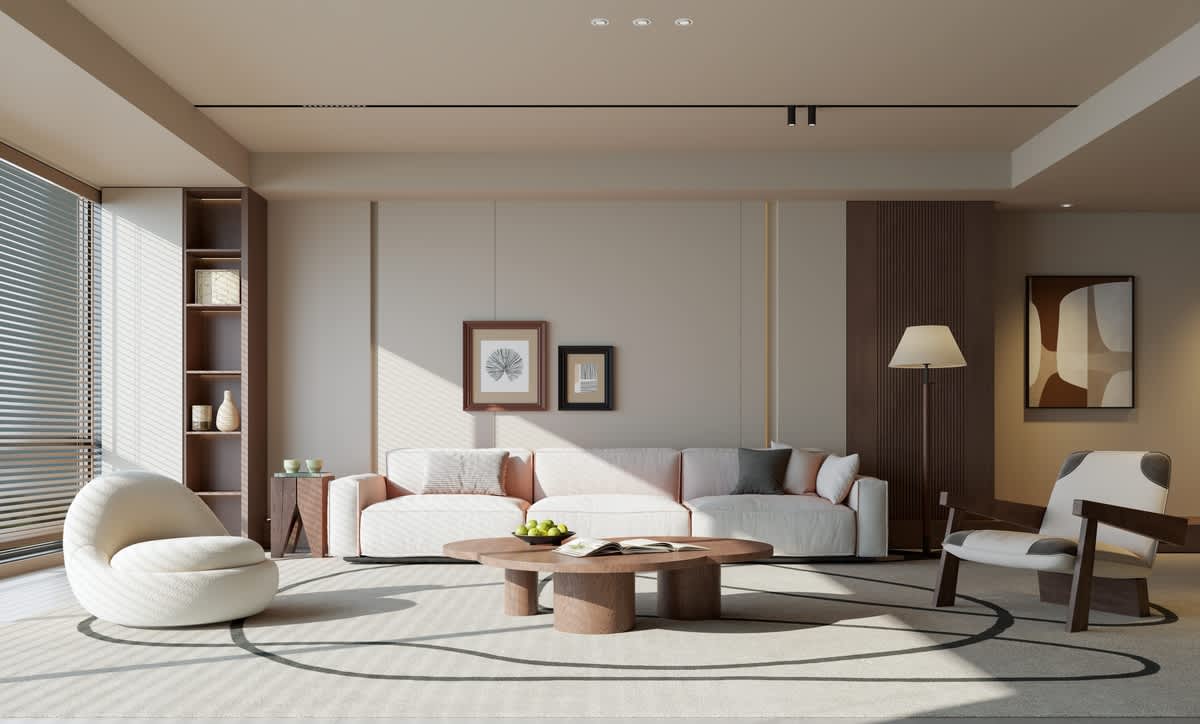
To choose the proper style, you need to know what you like, what your lifestyle demands are, and what the home’s architecture is like. You should think about how each space will be used and how the different parts will work together. Mixing styles can work if you do it carefully, since it gives you room to be creative and flexible. The way a space feels is greatly affected by the lighting, color, and materials used. Learning about different forms of interior design can help homeowners make these choices clearer, so they can make spaces that are both useful and make them feel good.
The Future of Styles for Interior Design
As people’s lives change, design trends will also change to keep up with new technologies, environmental issues, and cultural changes. More and more, people are thinking about things like sustainability, health, and adaptability. Interiors of the future will probably combine style with smart solutions that make things more comfortable and efficient. Even while trends come and go, the basic rules of excellent design stay the same. Knowing about different forms of interior design will help you deal with these changes while making rooms that seem personal and last.
Conclusion
Interior design may have a big impact on how we live, work, and rest in our homes. Each style gives you a different point of view, shaped by society, history, and human needs. Homeowners can make smart decisions that fit their personality and way of life by learning about different interior design styles. The appropriate design style can turn a house into a meaningful and inspirational home, whether you like traditional elegance, modern minimalism, or creative expression.
Read More:- Garage Door Repair Cost Guide: Pricing Factors and Expert Insights