Home AC Installation Guide for Efficient Cooling and Comfort

Introduction
Home ac installation is one of the most important steps in creating a comfortable indoor environment, especially in regions where temperatures rise significantly during summer months. A properly installed air conditioning system does much more than cool the air. It balances humidity, improves indoor air quality, and ensures consistent comfort throughout your living space. Many homeowners focus on the brand or capacity of an air conditioner, but the installation process itself often determines how efficiently and reliably the system will perform over the years. Poor installation can lead to higher electricity bills, uneven cooling, frequent breakdowns, and reduced system lifespan. Understanding the fundamentals of installation helps homeowners make informed decisions, whether they plan to hire professionals or want to be more knowledgeable about the process.
Understanding Different Types of Home Air Conditioning Systems
Before beginning any home ac installation project, it is essential to understand the types of systems available and how they differ in design and function. Split air conditioners are among the most common choices for residential use, consisting of an indoor unit and an outdoor condenser connected by refrigerant lines. Window units, although simpler, are usually limited to cooling single rooms and may not be ideal for whole-house comfort. Central air conditioning systems use ductwork to distribute cool air throughout the home, making them suitable for larger spaces but also more complex to install. Each system type has unique installation requirements, space considerations, and performance characteristics. Choosing the right system lays the foundation for an efficient and effective cooling solution.
Importance of Proper Planning Before Installation
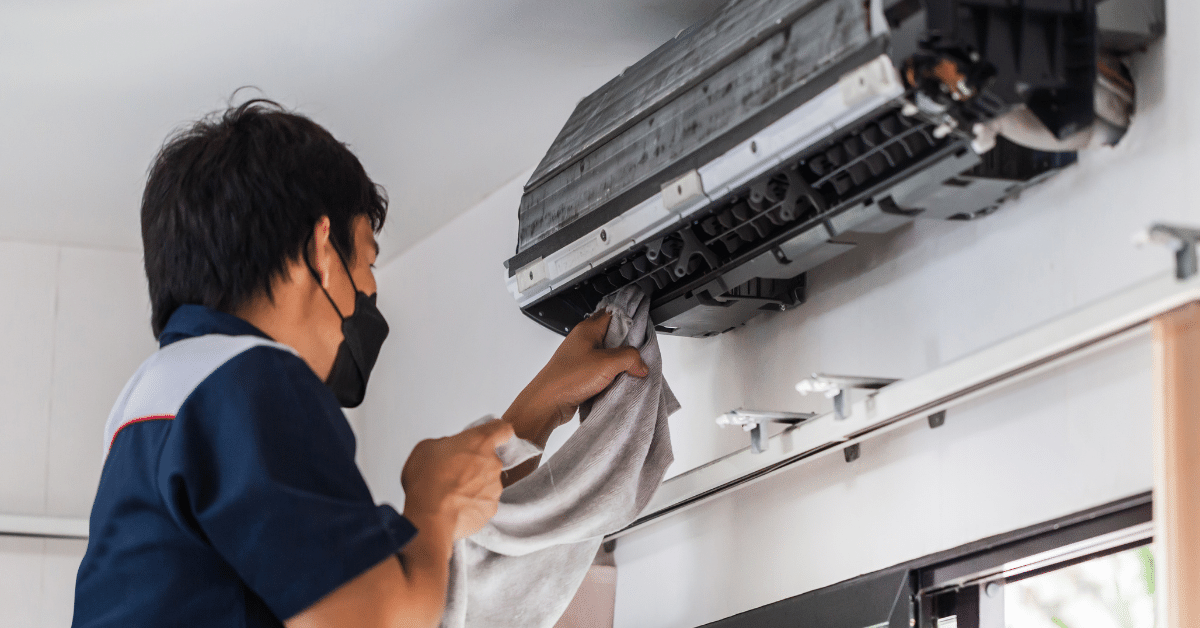
Planning is a critical phase of home ac installation that directly impacts the final outcome. This stage involves assessing the layout of the house, identifying suitable locations for indoor and outdoor units, and evaluating existing electrical infrastructure. Proper planning ensures that the system can operate without unnecessary strain and that airflow reaches all desired areas. It also helps avoid future issues such as noise disturbances, water leakage, or accessibility problems during maintenance. Homeowners who invest time in planning often experience smoother installation and fewer complications later. This phase also includes budgeting, scheduling, and coordinating with professionals if required, making it a cornerstone of a successful project.
Choosing the Right Capacity for Your Home
Selecting the correct capacity is one of the most crucial aspects of home ac installation. An air conditioner that is too small will struggle to cool the space, running continuously and consuming excessive energy. On the other hand, an oversized unit may cool the room too quickly without properly dehumidifying the air, leading to discomfort and higher operational costs. Capacity is typically measured in tons or BTUs and depends on factors such as room size, ceiling height, insulation quality, number of occupants, and exposure to sunlight. Accurate load calculation ensures that the system operates efficiently and maintains a consistent indoor temperature, making capacity selection a decision that should never be overlooked.
Site Inspection and Preparation
A thorough site inspection is an essential step in home ac installation, as it helps identify potential challenges before work begins. During inspection, factors such as wall strength, ventilation, drainage, and proximity to power sources are evaluated. The installation area must be capable of supporting the weight of the indoor and outdoor units while allowing sufficient airflow for optimal performance. Preparation may include drilling holes for piping, reinforcing mounting surfaces, or upgrading electrical connections. Addressing these requirements beforehand reduces the risk of delays and ensures that the installation process proceeds smoothly and safely.
Electrical Requirements and Safety Considerations
Electrical readiness plays a vital role in any home ac installation project. Air conditioning systems require dedicated power circuits to operate safely and efficiently. Inadequate wiring or improper grounding can lead to system malfunction, electrical hazards, or even fire risks. Ensuring that the electrical panel can handle the additional load is essential, especially in older homes. Safety measures such as proper insulation, circuit breakers, and earthing protect both the equipment and the occupants. Attention to electrical standards not only ensures compliance with regulations but also contributes to the long-term reliability of the system.
Indoor Unit Placement and Its Impact on Performance
The placement of the indoor unit significantly affects the performance of a home ac installation. Ideally, the unit should be installed at a height and location that allows even distribution of cool air throughout the room. Avoiding direct exposure to sunlight or heat sources helps maintain accurate temperature sensing and efficient operation. Proper placement also minimizes noise and prevents airflow obstructions. Thoughtful positioning ensures that the system delivers consistent cooling while blending seamlessly with the interior design of the home, enhancing both comfort and aesthetics.
Outdoor Unit Installation and Ventilation Needs

The outdoor unit is a critical component in home ac installation, responsible for releasing heat absorbed from indoor air. It must be installed in a well-ventilated area to function effectively. Adequate clearance around the unit allows for proper airflow and simplifies maintenance tasks. The surface should be stable and level to prevent vibrations and noise. Exposure to excessive dust, direct sunlight, or water accumulation can reduce efficiency and shorten lifespan. Proper outdoor placement ensures optimal heat exchange and contributes to overall system performance.
Refrigerant Piping and Insulation
Refrigerant piping connects the indoor and outdoor units and is a key element of home ac installation. These pipes must be correctly sized, securely connected, and well-insulated to prevent energy loss. Poor insulation can lead to condensation, reduced cooling efficiency, and increased power consumption. Ensuring airtight connections prevents refrigerant leakage, which can compromise performance and harm the environment. Attention to piping quality and insulation is essential for maintaining system efficiency and reliability over time.
Drainage System and Moisture Management
Effective moisture management is an often-overlooked aspect of home ac installation. As air conditioners cool the air, they remove humidity, which must be drained safely away from the unit. A properly designed drainage system prevents water leakage, mold growth, and damage to walls or floors. The drain pipe should have an appropriate slope to allow gravity-assisted flow and must be kept free from blockages. Reliable drainage ensures hygienic operation and protects the structural integrity of the home.
Installation Process and Step-by-Step Execution
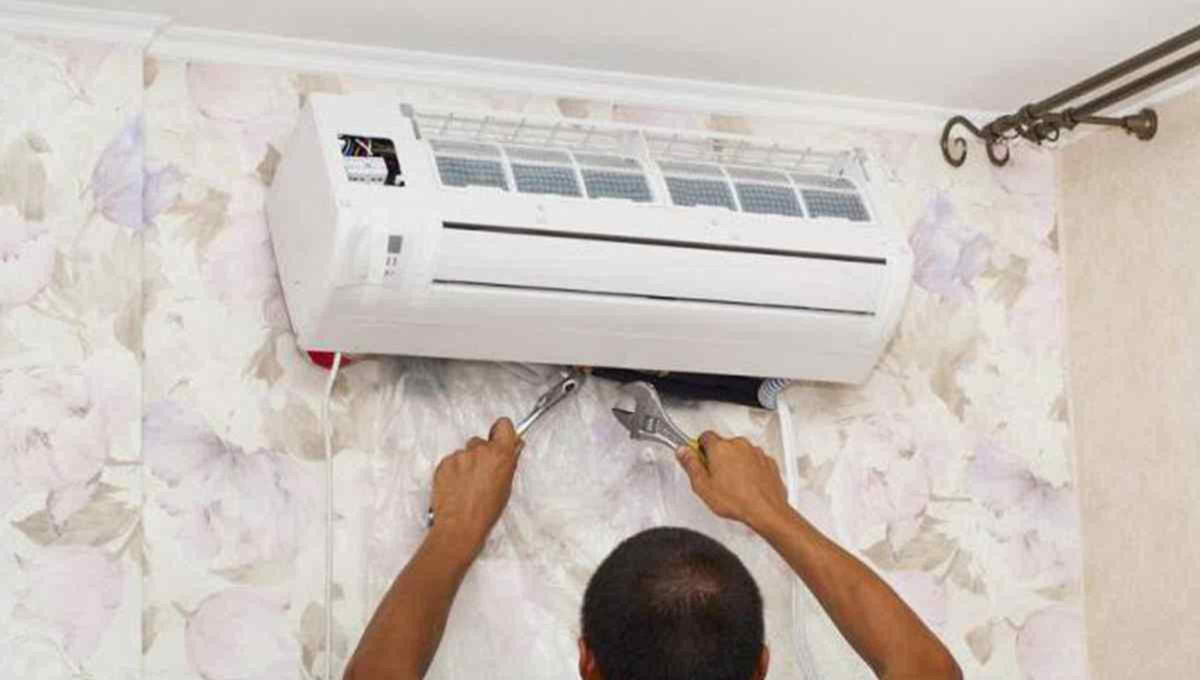
The actual installation process brings together all planning and preparation efforts. Home ac installation typically begins with mounting the indoor unit, followed by installing the outdoor unit, connecting refrigerant lines, electrical wiring, and drainage pipes. Each step must be executed with precision to ensure proper alignment and secure connections. After installation, the system is tested to verify cooling performance, airflow, and safety features. A systematic approach minimizes errors and ensures that the air conditioner operates as intended from the first day.
Testing, Commissioning, and Performance Checks
Testing and commissioning are essential stages of home ac installation that confirm system readiness. During this phase, technicians check refrigerant levels, electrical connections, and thermostat settings. Performance tests ensure that the system cools efficiently and maintains stable temperatures. Any unusual noise, vibration, or leakage is addressed before final handover. Proper commissioning provides peace of mind and ensures that the air conditioner delivers reliable comfort from the start.
Energy Efficiency and Long-Term Savings
Energy efficiency is a major consideration in home ac installation, as it directly affects operating costs. A well-installed system consumes less electricity while delivering optimal cooling. Factors such as correct sizing, proper insulation, and accurate thermostat placement contribute to energy savings. Over time, efficient installation reduces wear and tear on components, extending system lifespan. Homeowners who prioritize efficiency during installation often enjoy lower energy bills and reduced environmental impact.
Maintenance Considerations After Installation
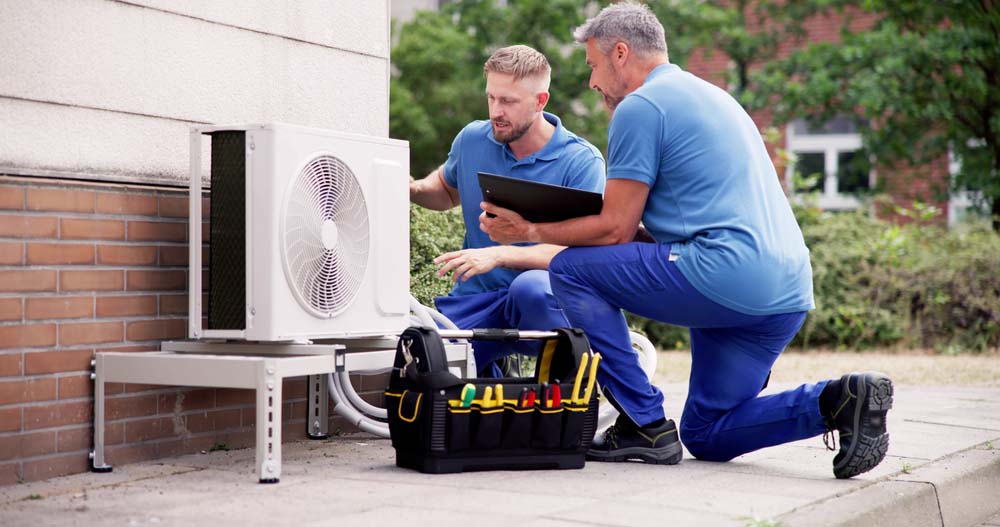
Maintenance planning should begin during the home ac installation stage. Easy access to filters, coils, and drainage components simplifies routine servicing. Regular maintenance ensures consistent performance, prevents breakdowns, and maintains indoor air quality. Understanding basic care requirements helps homeowners take proactive steps to keep the system running smoothly. A well-maintained air conditioner not only performs better but also retains its efficiency and reliability for years.
Common Mistakes to Avoid During Installation
Several common mistakes can undermine the success of home ac installation. Improper sizing, poor placement, inadequate insulation, and incorrect electrical connections are among the most frequent issues. Skipping professional inspection or rushing the process often leads to long-term problems. Awareness of these pitfalls helps homeowners make informed choices and avoid costly repairs. Careful attention to detail during installation ensures optimal performance and peace of mind.
Professional Installation Versus DIY Approaches
Deciding between professional services and a do-it-yourself approach is a key consideration in home ac installation. Professional installers bring expertise, specialized tools, and knowledge of safety standards. While DIY installation may seem cost-effective, it carries risks related to electrical work, refrigerant handling, and system performance. Weighing the complexity of the system against personal skill level helps determine the best approach. In many cases, professional installation ensures compliance, efficiency, and warranty protection.
Cost Factors and Budget Planning
Understanding cost components is an important part of home ac installation planning. Expenses may include equipment cost, installation labor, electrical upgrades, and additional materials. Long-term operating costs should also be considered, as efficient installation can significantly reduce energy consumption. Budgeting with a focus on quality rather than short-term savings often results in better performance and fewer issues over time. Transparent cost planning helps homeowners make confident investment decisions.
Conclusion
Home ac installation is a comprehensive process that requires careful planning, technical knowledge, and attention to detail. From selecting the right system and capacity to ensuring proper placement, electrical safety, and efficient operation, every step plays a crucial role in overall performance. A well-executed installation enhances comfort, reduces energy costs, and extends the life of the air conditioning system. By understanding the principles and best practices involved, homeowners can approach installation with confidence and enjoy reliable cooling for many years to come.
Read More:- Lake House Decor Ideas for a Relaxed and Timeless Waterfront Home