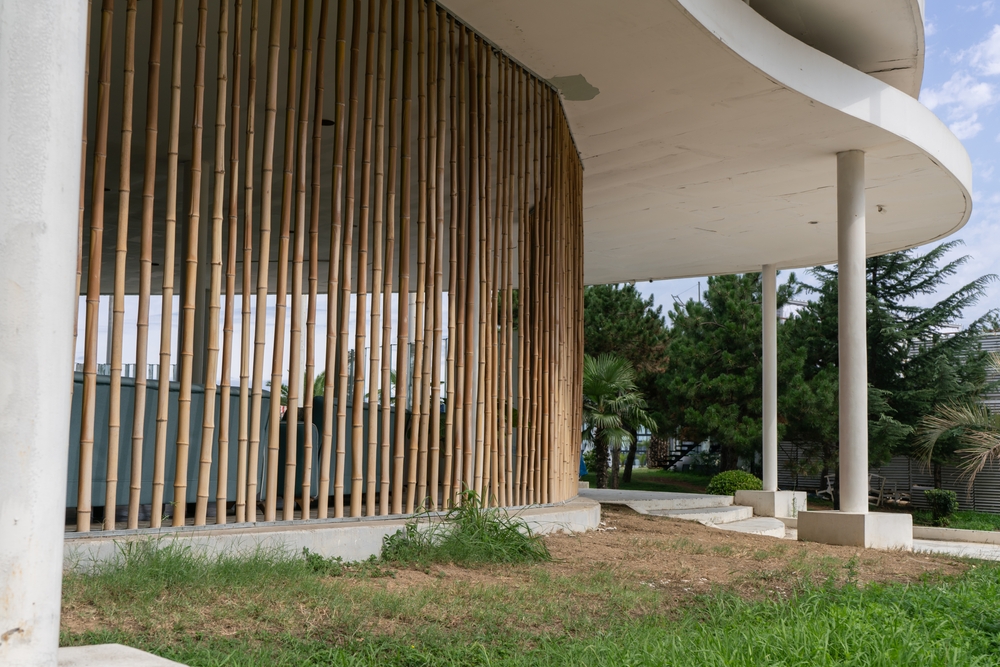

Modern architecture has changed how we think about and build buildings. It puts a lot of emphasis on looks, usefulness, and being responsible to the environment. Architects today care about more than just how things look. They also care about how long they last, how easy they are to use, and how little they affect the environment. Modern architecture has changed from using heavy materials to using lightweight ones, open spaces, smart design features, and energy efficiency. This change has also changed the way people live, affecting how homes, businesses, and public spaces work. As technology moves quickly, modern architecture keeps changing and adding new ideas. The idea is to build things that fit people’s requirements while also being in tune with nature. As cities grow, it’s more important than ever to think about how to make structures that are smarter and greener.
Understanding Modern Architecture in the World Today
People know modern architecture for its simple style, open design ideas, and use of materials that are based on technology. It emphasizes clean lines, simple shapes, and flexible living spaces. Modern design uses smart systems like automation, smart lighting, climate management, and high-performance insulation to make buildings more efficient. This kind of design encourages comfort, natural light, and areas that may be used for more than one thing. Architects also put a lot of thought into how their buildings fit in with the environment. They make places that connect interior and outdoor living. As the need for housing in cities grows, modern architecture focuses on modular housing, prefabricated buildings, and the adaptive reuse of historic buildings. The move toward employing recycled materials, renewable energy sources, and building methods that are good for the environment is a sign of a more responsible building culture.
Trends in Architectural Design Changing the way we live
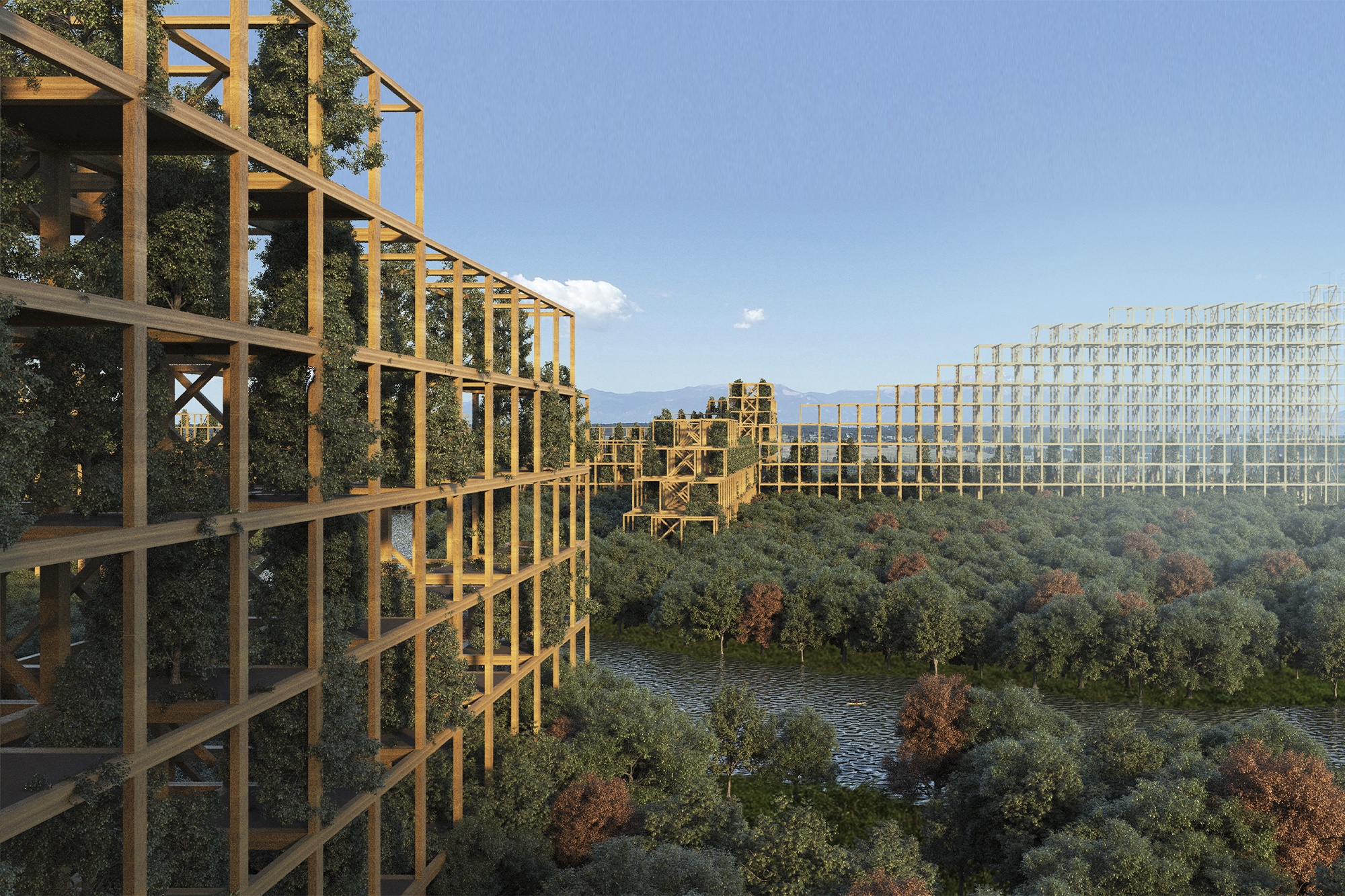
The fast changes in technology and people’s expectations for how they live continue to shape architectural design trends. Today’s trends show how architecture, nature, and digital innovation can all work together. Biophilic design is a popular method that employs plants, natural light, and water features to make people feel better. Buildings can change their purpose over time because to adaptive architecture and flexible floor plans. 3D-printed buildings, modular construction, vertical gardens, and smart home integration that improves energy performance are also examples of futuristic architectural design trends. To make the most of space and efficiency, cities are building vertical housing and mixed-use developments. Designers are always looking for innovative ways to combine creativity with usefulness. Architectural design trends in the future will likely focus on reducing carbon emissions, building structures that can withstand damage, and creating designs that make living better.
The growing importance of sustainable architecture
As worries about climate change grow around the world, sustainable building tries to have as little of an influence on the environment as possible. The method uses building materials that are good for the environment, renewable resources, and building methods that cut down on waste and save energy. Sustainable architecture encourages the use of green landscaping, solar power, rainwater collection, natural ventilation, and materials that keep heat in. The goal is to build structures that work well and don’t need much outside energy. Instead of building new buildings, a lot of architects are remodeling old ones to make them more energy-efficient. Sustainable design also helps with social sustainability by making sure that living environments are healthy and comfortable. It stresses structures that survive a long time, use resources wisely, and help safeguard the environment. As sustainability becomes more important around the world, sustainable design is now seen as a must-have in modern development rather than a nice-to-have.
The Future of Green Building Technologies
Green building technologies have changed the construction business by bringing in new ways to make buildings more environmentally friendly. Smart energy systems, carbon-neutral materials, solar glass panels, green roofs, rainwater recycling systems, and smart HVAC controls are all examples of these technologies. Green building technologies help buildings last longer, use less energy, and enhance the air quality. New technologies like geothermal heating, energy-monitoring sensors, and low-emission concrete are transforming how buildings work today. Cities are using certification standards like LEED and BREEAM to promote eco-friendly construction technology and new ideas in architecture that are good for the environment. These solutions will keep becoming better as science moves further. They will help make places healthier to live and cut down on carbon emissions. The future of smart and eco-friendly infrastructure will be greatly affected by the use of Green building technologies.
Conclusion
Modern architecture, trends in architectural design, sustainable architecture, and green building technologies are changing the way people create and live in cities. They are both examples of what the future of being responsible for the environment and technical progress will look like. As people around the world become more worried about climate change and resource conservation, the need for modern design that promotes sustainability grows. The future of building design rests on finding a balance between beauty, usefulness, and environmental responsibility.