Chimney Cap Installation Guide for Protection, Safety, and Longevity

Introduction
Installing a chimney cap is one of the most important but often ignored improvements a homeowner can undertake to keep their chimney system safe and their home healthy. Chimneys may look simple from the outside, but they are very important for ventilation, fire safety, and the strength of the building. If you don’t secure the top of your chimney properly, rain, debris, animals, and downdrafts can get inside and inflict a lot of damage over time. When you put a chimney cap on, it protects the chimney by letting smoke and gases out while keeping undesired things from getting in. Homeowners may save money and avoid problems in the long run by learning how to install a chimney cap, why it matters, and what their options are.
Knowing what a Chimney Cap is For
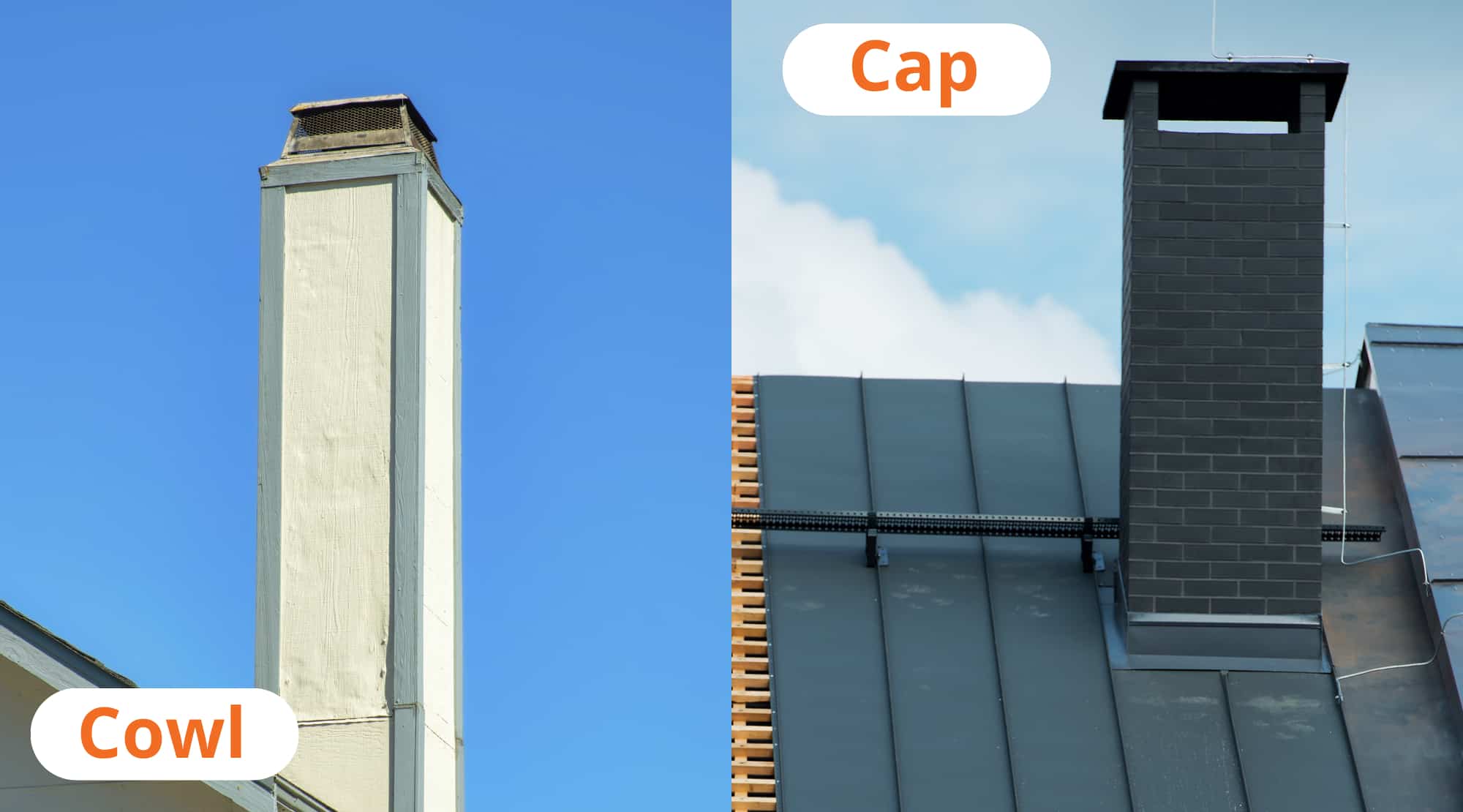
A chimney cap is a particular cover that goes on the very top of the chimney flue. The major job of this is to keep the chimney opening safe while still letting air flow through. Chimneys are always outside, and without a cap, rain can get right into the flue. Over time, moisture can ruin clay liners, metal flues, and even the masonry structure itself. Installing a chimney cover also keeps leaves, twigs, and nesting materials from building up inside the flue, which can cause obstructions and make it more likely that smoke will back up or that a fire would start in the chimney. A chimney cap installation the inside parts of the chimney and helps keep the air flowing properly.
Why it’s Important to put a Chimney Cap on your Home for Safety
One of the best reasons to get a chimney cap installation is to keep your home safe. If you don’t cap your chimney, birds, squirrels, raccoons, and other animals can easily go inside and construct nests in the flue. These nests can impede ventilation, which can cause smoke and dangerous gasses like carbon monoxide to build up in the living space. Also, when water gets into the chimney, it can react with soot to form an acidic residue that speeds up corrosion and damage. A correctly placed chimney cap lowers these dangers and makes the inside of your home safer. Chimney cap installation is a quiet but important way to protect both property and people by keeping air flowing freely and keeping things from getting in the way.
How the Weather Affects a Chimney That Isn’t Protected

One of the main hazards to the life of a chimney is the weather. If you don’t cover your chimney, rain, snow, and ice may all do a lot of damage. In the winter, water that gets into the flue might freeze, which can cause the liner and masonry to crack as they expand. Repeated freeze-thaw cycles over time might undermine the chimney structure and lead to expensive repairs. Wind can also generate downdrafts that blow smoke back into the house, making fires less effective and less comfortable to use. Installing a chimney cap helps control airflow by blocking high winds and keeping moisture out. This makes sure that the chimney works well all year round.
There are Several Different Kinds of Chimney Caps
There are many kinds of chimney caps that are made to fit different styles of chimneys and meet different demands. Single flue caps are made to suit one flue opening and are often used on regular home chimneys. Multi-flue caps are bigger and cover more than one flue at a time. They are usually put on top of the chimney. If your chimney has strong downdrafts or animals that come in and out a lot, you can also get special caps for it. The type of cap you choose will depend on the size of the chimney, the way the flue is set up, and the weather. Choosing the right cap is an important component of putting on a chimney cap since a cap that doesn’t fit properly can not protect the chimney well.
Materials Needed to Install a Chimney Cap
The material of a chimney cap has a direct impact on how long it lasts, how it looks, and how strong it is. Because it doesn’t rust or corrode, stainless steel is one of the most popular alternatives for long-term use. Steel caps that have been galvanized are cheaper, but they may not survive as long in bad weather. People generally choose copper chimney tops because they look nice and last a long time, even if they cost more. Aluminum caps are light and don’t rust, but they might not work well in places that get a lot of heat. When homeowners know what materials are available, they can find a chimney cap that fits their budget, looks well, and works well.
How to Install a Chimney Cap
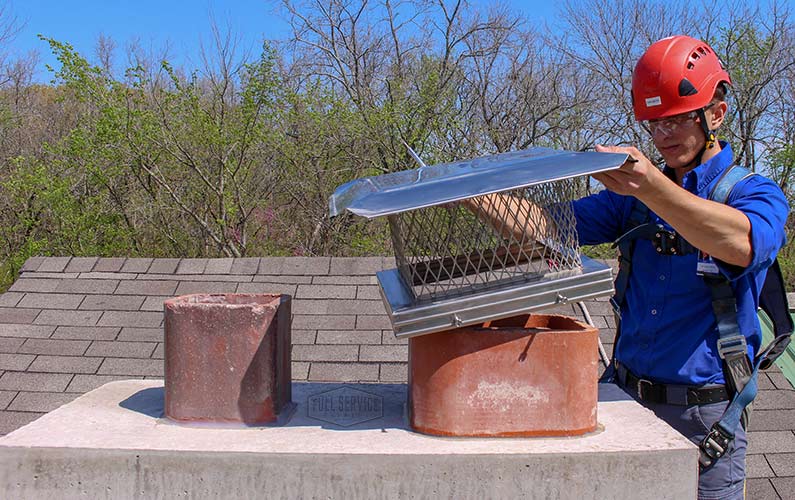
Usually, the first step in putting on a chimney cap is to carefully look at the chimney. The flue size, the condition of the chimney crown, and the overall structure are all checked to make sure they will work with the chosen cap. After taking measurements, the cap is put over the flue or crown and held in place with screws, clamps, or glue, depending on the design. To let smoke out easily while keeping water and debris out, the parts need to be lined up correctly. Even though the process may seem simple, it is important to have knowledge and take safety precautions when working on roofs and handling chimney parts. A professional installation makes sure that the cap fits well and is firmly connected.
Installing a Chimney cap Yourself vs. Hiring a Professional
A lot of homeowners think about putting a chimney cap on their own to save money, but they need to think about the pros and cons first. Installing a chimney cap yourself could be a good idea for properties with only one story, convenient roof access, and basic flue designs. But working on a roof might be risky if you don’t have the right tools and skills. If you install it wrong, it could block airflow, make the fittings loose, or break the chimney crown. Professional installers know how to follow building rules, have the right safety gear, and know how to make sure the cap works right. Professional chimney cap installation is frequently the safest and most reliable alternative for chimneys that are hard to work with or properties with more than one story.
Things to Avoid When Installing
Picking the improper size is one of the most common mistakes people make when installing a chimney cover. A cap that is too small may block airflow, while one that is too big may not fit well, letting water and dirt in. Not checking the chimney crown before putting it in is another mistake. If there are cracks or damage in the crown, fix them before putting a cap to keep moisture from becoming stuck. If you don’t attach it properly, the cap may also come loose over time, especially when it’s windy. If you don’t make these blunders, your chimney cap installation will last a long time and work well.
Things that Affect the Cost of Putting in a Chimney Cap
The cost of putting on a chimney cap can change based on a number of things, such as the type of cap, the material, the height of the chimney, and the amount of work needed. Basic galvanized steel caps are usually cheaper, while stainless steel and copper caps cost more up front but last longer. Labor expenses may go up for chimneys that are very tall, roofs that are very steep, or flues that are very complicated. Even while the initial cost may seem high, putting on a chimney cap can save you money in the long run by avoiding costly repairs from water damage, animal intrusion, and structural damage. Seeing the cost as a way to avoid problems helps homeowners see its long-term benefit.
After Putting in the Chimney Cap, Here are Some Things to Do
After the chimney cap is put on, frequent maintenance helps it keep working. Regular checks can find problems like corrosion, loose fasteners, or dirt accumulation before they get worse. Cleaning the cap and mesh screen gets rid of soot and creosote that might build up over time. As part of regular maintenance, professionals generally check the condition of the cap when they inspect the chimney. A high-quality chimney cap can survive for many years if you take care of it properly. It will protect your home with little maintenance.
Installing a Chimney Cap and Making Your Fireplace Work Better
A well working chimney is very important for a fireplace to work well. A properly placed chimney cap keeps the air flowing smoothly by stopping downdrafts and blockages. This lets smoke go easily, which makes the fire burn better and keeps more smoke from coming into the room. The cap also preserves the flue liner by keeping moisture out, which makes sure the draft works as well as it can. Over time, better efficiency can make using a fireplace more comfortable and make it easier to take care of. Installing a chimney cover might not immediately make the heat output higher, but it helps provide the right circumstances for the system to work well.
Installing a Chimney Cap has Long-Term Benefits
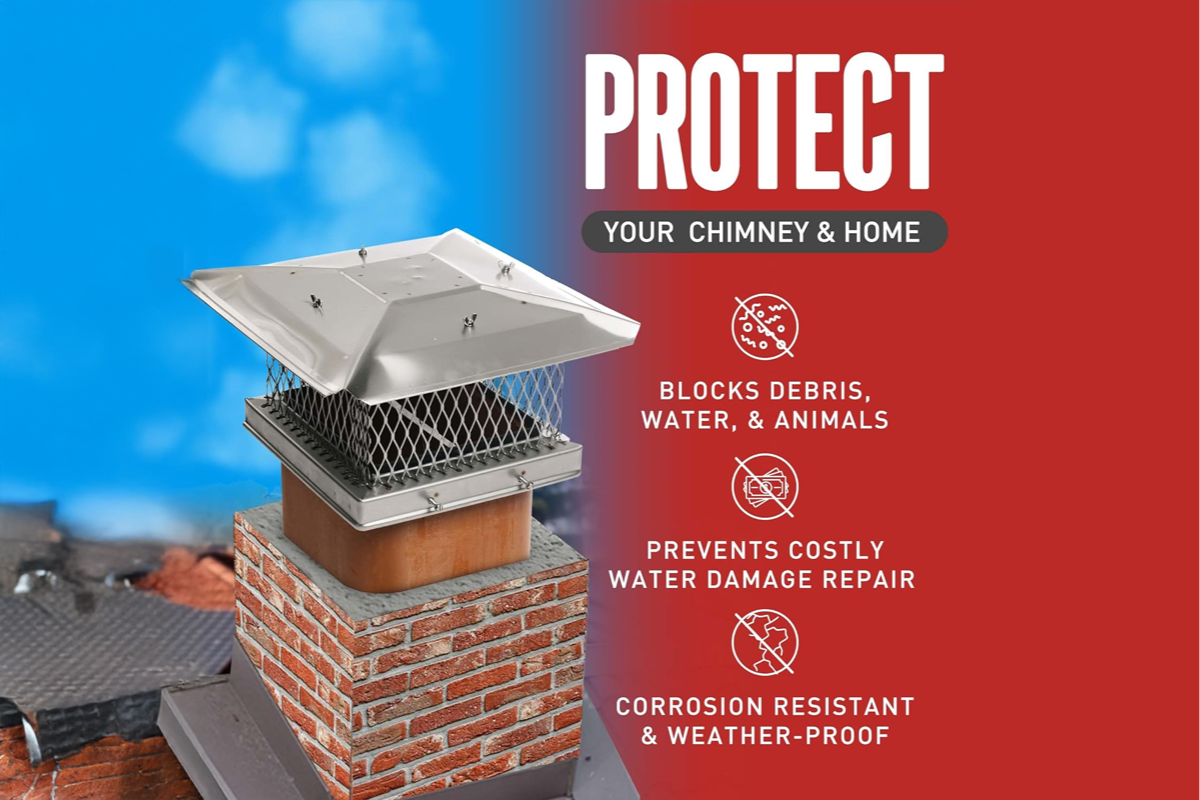
Installing a chimney cap has long-term benefits that go beyond just protecting it right away. Caps assist keep brickwork, liners, and metal parts from becoming damaged by water, which makes the chimney last longer. Less animal encroachment lowers the chance of clogs and expensive removal services. Homeowners feel better knowing that the air is cleaner and safer. Over time, these benefits lead to decreased repair costs and fewer problems that come up out of the blue. Putting in a chimney cap is a proactive measure that pays off in the long run by making the chimney last longer, safer, and more reliable.
When to Think About Getting a New Chimney Cap
Chimney caps may need to be replaced even if they are well cared for. If you see signs like rust, fractures, loose fittings, or damaged mesh, it may be time to replace the cap because it may not be protecting you well anymore. Heavy winds or storms can sometimes knock caps off or change their shape. Professionals can tell if a chimney needs to be replaced during regular inspections. If the current hat exhibits signs of wear and tear often, it might also be a good idea to switch to a better material. Replacing the chimney cap on time makes sure that it continues to do its job of protecting the chimney.
How Installing a Chimney Cap Affects the Value of Your Home
The value of a home is affected by both how it looks and how well it is built. You might not notice the installation of a chimney cover right away, but it shows that you are taking care of your chimney. People who are thinking about buying a property frequently like ones with well-kept chimneys since they make it less likely that there are problems that aren’t obvious. Chimney tops help keep the property in good shape by preventing water damage and structural problems. Installing a chimney cover helps keep your home safe and functioning, and it also helps keep its value over time.
Conclusion
Putting up a chimney cap is a minor change that makes a big difference. Its benefits are many, including keeping animals out and protecting against weather damage, as well as making the chimney safer and more efficient. Homeowners may make smart choices when they know the purpose, materials, installation procedure, and maintenance needs. A correctly fitted chimney cap protects the chimney system for years to come, whether it is put in by a professional or as a cautious DIY job. Homeowners that put chimney cap installation at the top of their list are making an investment in safety, efficiency, and peace of mind that goes beyond the roofline.
Read More:- White Kitchen Cabinets for Timeless, Elegant, and Modern Homes