DIY Home Improvement Guide for Beginners and Smart Homeowners

Introduction
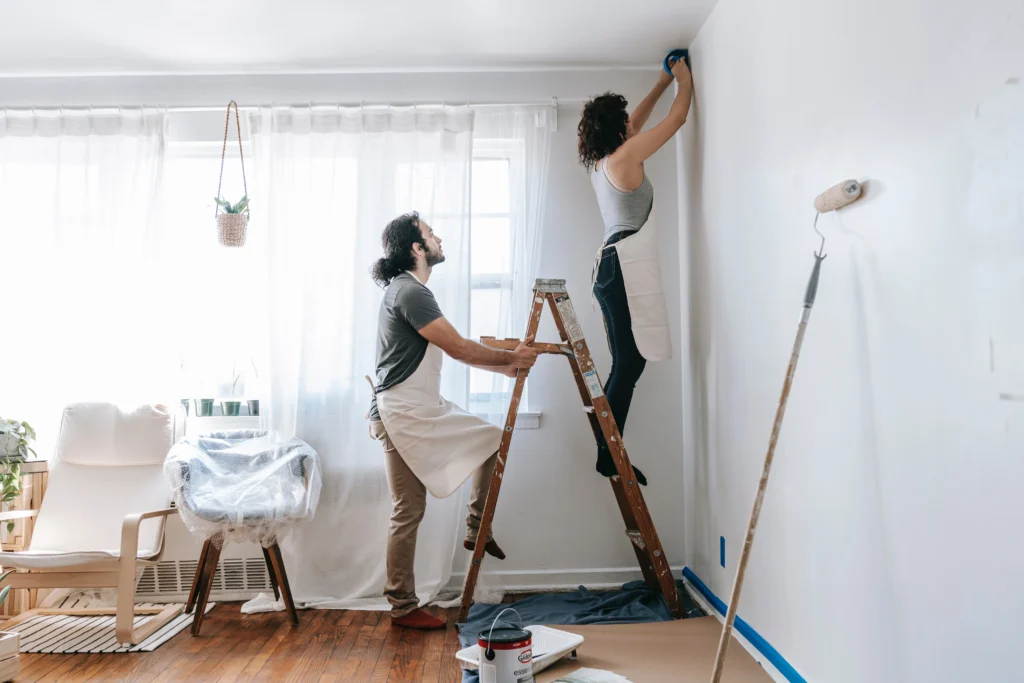
Home renovation projects that you do yourself are no longer just a weekend hobby; they are now a useful and fun way for homeowners to improve their homes while saving money and learning new skills. People who want to have a say in design choices, material quality, and total prices like the concept of making improvements to their homes themselves. If you want to repaint a room, add more storage, or give your old interiors a new look, doing it yourself lets you go at your own pace and make changes to fit your style. Over time, doing house improvements yourself can also boost your confidence. It helps you learn how your home works and how little modifications can make it more comfortable, valuable, and useful.
Learning the Basics of DIY Home Improvement
Before you start any DIY home renovation project, you need to know what it really means. It’s not just about big renovations or modifications to the structure; in fact, a lot of successful projects start with modest things like painting walls, replacing fixtures, or making small repairs. Knowing the whole extent of a project helps you set reasonable goals for time, money, and effort. Beginners frequently do well when they start with projects that are at their level and work their way up to more difficult ones. When you make DIY home improvements, you get the best results when you mix creativity with meticulous planning. This way, your excitement won’t get in the way of safety or quality.
Setting Goals and Making Plans for Home Projects
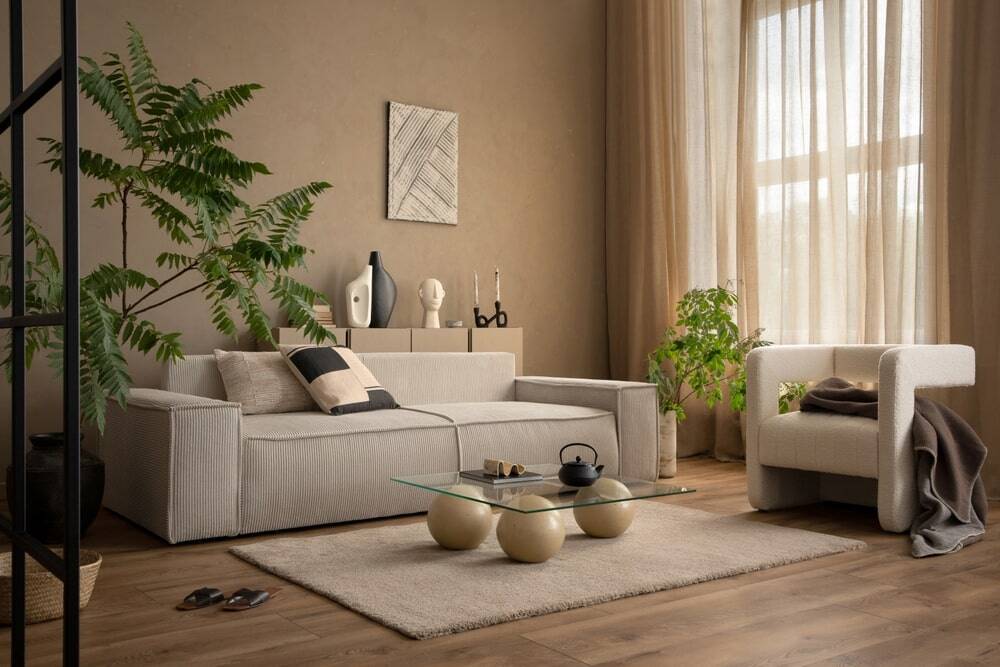
Every great DIY home renovation project starts with planning. Having clear goals helps you figure out what you want to do and why the project is important. Some homeowners care more about how their home looks, while others care more about how well it works or how energy-efficient it is. When you know what the project is for, you can choose the correct tools, materials, and methods. Planning also means correctly measuring places, knowing what’s already there, and seeing what the end outcome will look like. When you set specific goals for your DIY home renovation projects, they are less likely to run into delays, blunders, or extra costs.
Managing Costs and Making a Budget
One of the best things about doing house improvements yourself is that they can save you money, but only if you plan ahead. Making a reasonable budget helps you avoid spending too much and keeps the project manageable. Costs could include tools, materials, safety gear, and possible repairs if something goes wrong. It is also smart to set aside some money for problems that come up unexpectedly. Homeowners can put off upgrades that aren’t necessary and focus on the ones that are by making a budget. Smart financial planning makes DIY home remodeling a long-term and gratifying activity instead of a stressful financial burden.
Important Tools and Materials
For any DIY home renovation project to go well, you need to have the correct tools. You don’t always need professional-grade tools, but they do make things more accurate and safe. Most projects need basic tools like screwdrivers, measuring tapes, drills, and levels. Choose materials depending on how long they last, how well they work with other materials, and how well they fit the job at hand. Knowing how each instrument and material works lowers the chance of making mistakes and helps you get professional-looking outcomes. Having a clean, tidy workspace with easy-to-reach tools also makes DIY home repair projects more fun and productive.
Things to Think About for Safety and Best Practices
When doing house improvements yourself, safety should always come first. If you don’t take the right steps, even basic jobs might be dangerous. Putting on gloves and eye protection lowers the risk of getting hurt. Before starting any work that include electricity or plumbing, it’s very vital to know the basics. You should also always follow the directions that come with your tools and materials. Safe procedures not only keep you safe while you work, but they also make sure that the work you do doesn’t cause problems later. Safety, inventiveness, and saving money should all be important parts of a responsible DIY home repair project.
Do-It-Yourself Home Improvement for Inside Spaces
-Nov-27-2023-04-55-48-6095-PM.png)
One of the most common types of DIY projects is making changes to the inside of your home since they make a big difference in how you live every day. Changing the paint on the walls, the lighting, and the arrangement of a room can make a big difference in how a home looks and feels. You may modernize a room without doing a lot of work by making small changes, such changing the hardware on cabinets or installing stylish shelves. Homeowners can try out colors, textures, and designs that reflect their unique style when they do house improvements themselves on the inside. When done carefully, these improvements make living areas more comfortable, useful, and attractive.
Improvements and Upgrades to the Kitchen
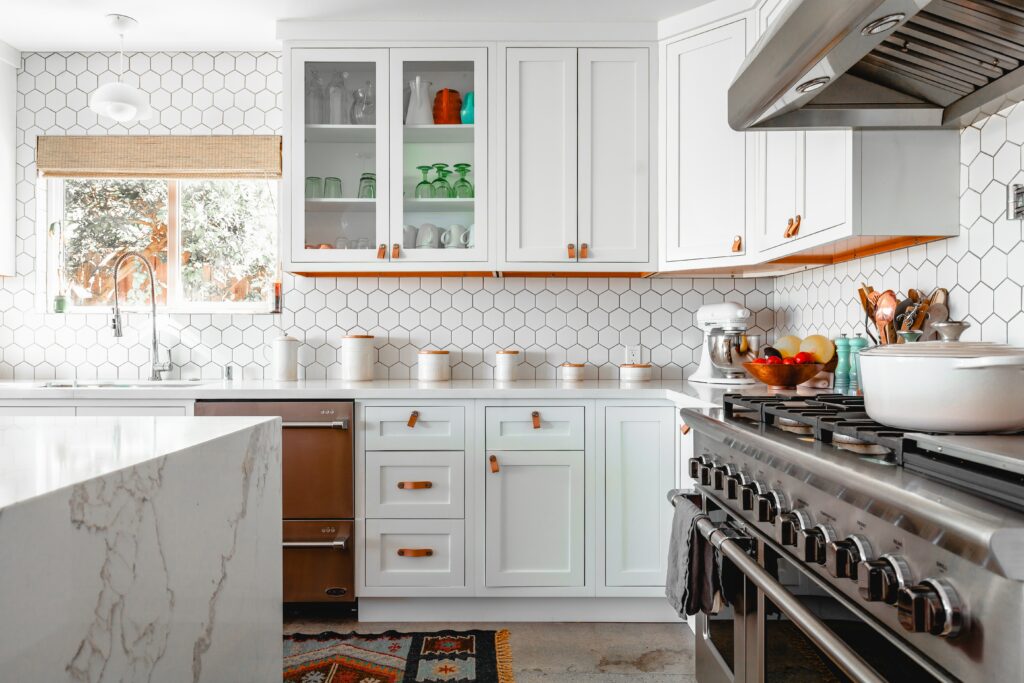
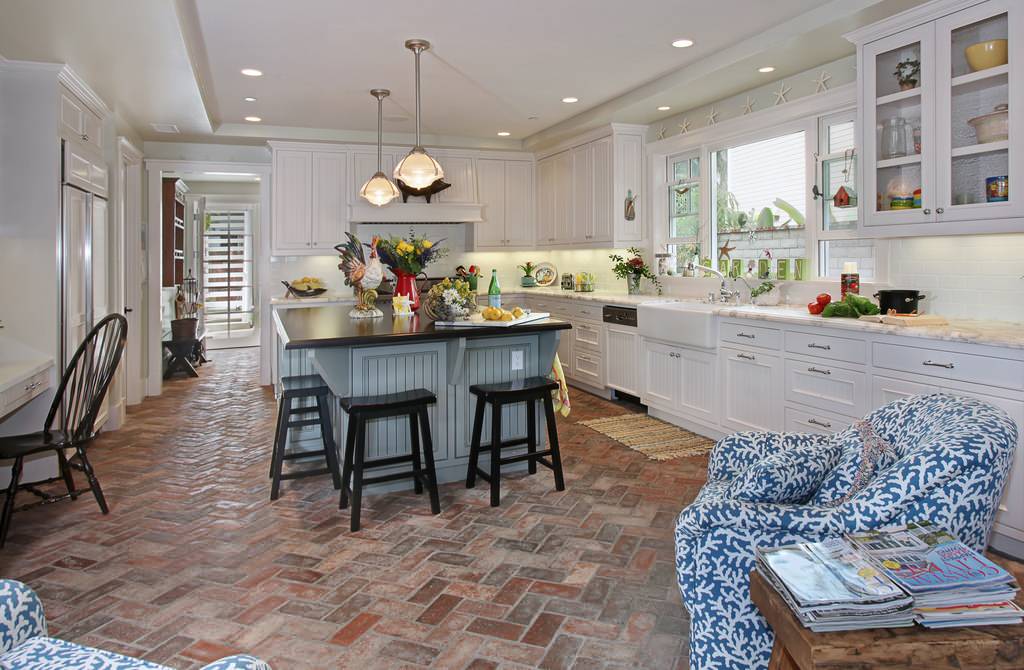
People generally think of the kitchen as the heart of the home, so it’s a popular place to do DIY home improvements. Repainting cabinets, putting in new backsplashes, or finding better storage solutions are all easy ways to give the room a new look. Kitchens are both functional and beautiful, so these tasks need to be done with care. Planning ahead makes sure that upgrades don’t get in the way of everyday use. DIY kitchen improvements may make a property seem more valuable, as well as make cooking and eating more fun and efficient.
Projects to Make the Bathroom Better
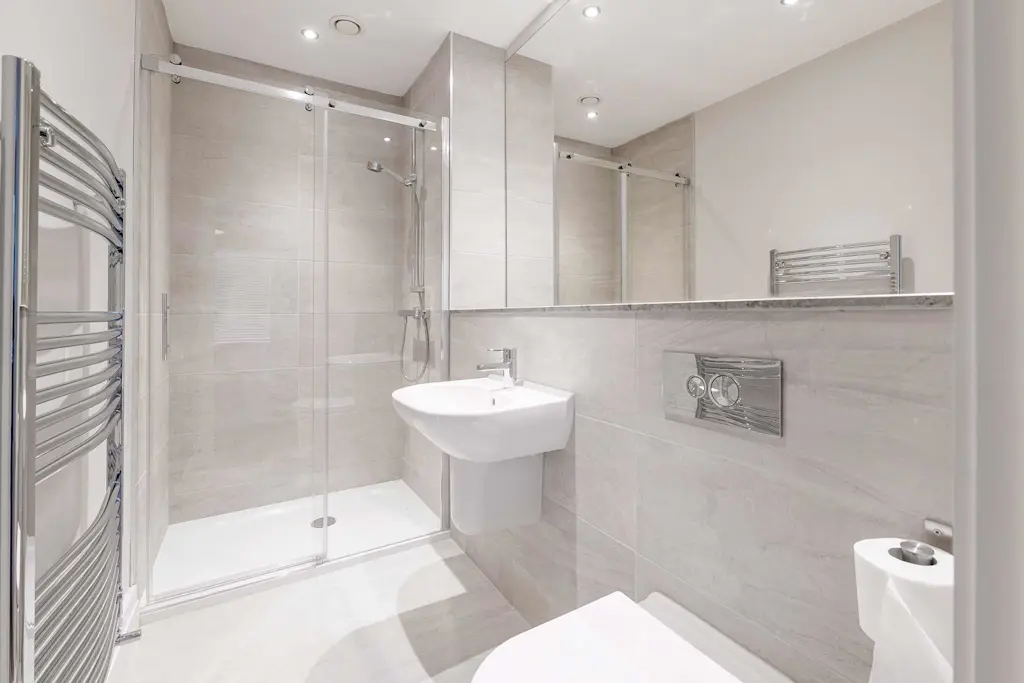
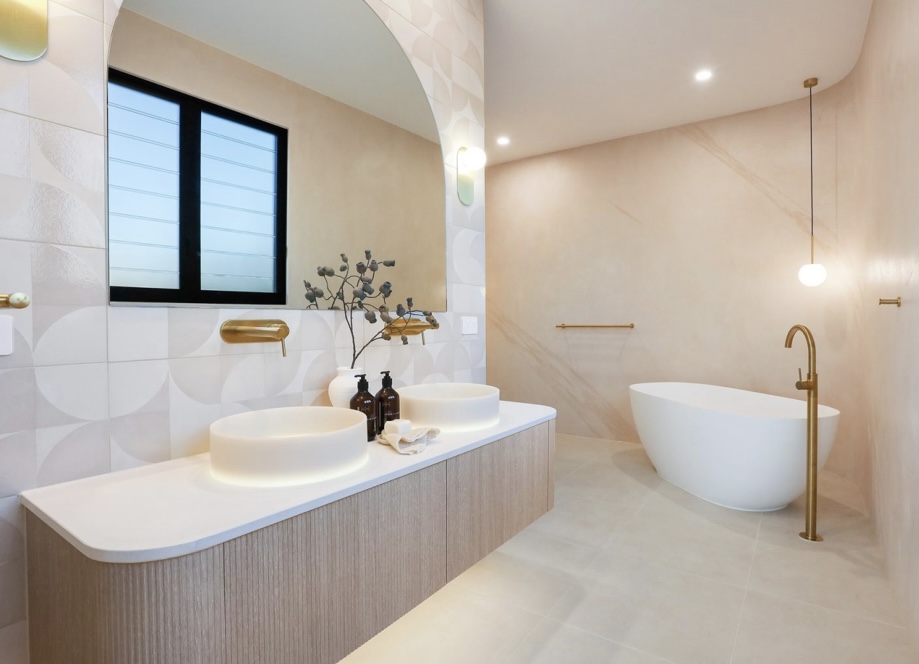
You can also make a big difference in your bathroom with DIY home improvements. Updating fixtures, enhancing airflow, or giving walls a new coat of paint are all projects that may make a space more hygienic and stylish. Managing moisture is very important since poor installation can cause damage that lasts a long time. Picking materials that are made for moist places helps make sure they last. With care and effort, DIY bathroom improvements can make these rooms more comfortable and useful.
Changes to the Living Room and Bedroom
Because they are usually less complicated than kitchens or bathrooms, living rooms and bedrooms are great places to do DIY home remodeling projects. Projects might be anything from making accent walls to adding custom storage or increasing the lighting. These areas look and feel better when they are designed with care to find a balance between comfort and style. Homeowners can make their homes more unique by doing their own home improvements in these areas. They can also make rooms that are good for relaxing, working, or having fun.
Do-It-Yourself Home Improvement Projects Outside
Improvements to the outside of a home are equally as significant as those to the inside since they protect the home from the elements and make it look better from the street. You may make your home seem better and last longer by doing things like painting the outside walls, fixing the fences, or improving the landscaping. It’s important to think about how well the materials will hold up in bad weather. When doing anything outside, you often have to plan carefully to take the weather into mind. When done right, DIY home improvements on the outside make a house worth more and make a good first impression.
Improvements to the Floor and Surface

Changing the flooring in a room is a life-changing DIY home improvement project that may completely change the look of the room. Different types of flooring, such laminate, vinyl, or tile, are available, and they are all different in terms of how hard they are to install and how long they last. To get a smooth, long-lasting finish, you need to prepare the surface properly. Following installation instructions and measuring correctly eliminates problems like gaps or uneven surfaces. Homeowners who want to make big changes to their homes generally choose this option since it takes time and effort, but the results are usually worth it.
Ideas for DIY Projects that are Good for the Environment and Last a Long Time
DIY home improvement is becoming more focused on being eco-friendly. Eco-friendly projects try to use less energy, make less trash, and use materials that are good for the environment. Small modifications like adding better insulation, better lighting, or using furniture in a new way can make a big difference. These projects are good for the environment and will save you money on your utility bills in the long run. Adding sustainability to DIY home repair is a modern way of thinking that fits with how people live today.
Things to Avoid Doing
DIY home remodeling has numerous benefits, but if you rush or don’t plan well, blunders can ruin the outcome. Some common problems are not estimating expenses correctly, not following safety rules, and picking the wrong materials. Being too sure of yourself can sometimes make you take on initiatives that are too hard for you. Over time, learning from failures and being patient with each endeavor leads to better results. Avoiding these mistakes can help make sure that DIY home improvement stays a fun and gratifying activity.
When to Get Help from a Professional
Not every home repair project is good for doing it yourself. You usually need a professional for structural upgrades, complicated electrical work, or big plumbing problems. Knowing when to ask for help can save you money and keep you safe. Homeowners who know their limits and work with specialists when they need to are best at doing home improvements themselves. This balanced approach makes sure that changes are safe and of good quality.
The Benefits of DIY Home Improvement in the Long Run
DIY home remodeling has long-term benefits that go beyond just making things seem better right away. These benefits include personal growth and increased property value. People who own homes learn useful skills and get to know their homes better. These events make people feel proud and like they own something, which makes them happier overall. Over time, regular DIY home improvement helps keep a home in good shape and makes it easier to meet changing needs and tastes.
Conclusion
Doing home improvements yourself is a great way to make your house more useful and unique. Homeowners may effectively finish renovations that make their homes more comfortable, stylish, and valuable by carefully planning, budgeting, and paying attention to safety. There are a lot of options for both inside and outside improvements, and they may be adapted to different skill levels. When you take your time and think outside the box with each DIY home renovation project, it becomes more than just a job; it’s a journey that makes both the home and the homeowner feel better about themselves.
Read More:- Target Home Decor Guide for Stylish, Affordable Modern Living